

Best Aseptic Bag in Box Systems for Maintaining Product Freshness
2026-09-29
Most packaging failures don't happen at the filling line—they happen quietly inside the bag over weeks of storage. The difference between a product that tastes just-made and one that's lost its edge often comes down to one overlooked choice: the aseptic bag in box system. At Kody, we've spent years engineering systems that don't just seal out air but actively protect flavor, color, and texture from the first drop to the last. Here's what to look for—and what most buyers miss.
Oxygen and Light Are the Real Threats—Here's How Top Systems Shut Them Out
Oxygen does its damage slowly, turning oils rancid, fading hops, and flattening the volatile compounds that carry aroma. Light adds a second blow, particularly in the blue and ultraviolet range, breaking down riboflavin and triggering reactions that produce stale, sulfur-like notes. The most reliable systems don’t try to filter oxygen or light after the fact; they block both at the packaging layer. Metal cans, foiled pouches, and multi-layer cartons with an aluminum core create a physical wall that neither gas nor photon can cross. Where glass is unavoidable, brown or green tints cut the harmful wavelengths while still letting consumers see the product.
For oxygen that remains trapped inside after filling, top lines use aggressive headspace management. Vacuum sealing pulls air out before the closure goes on, and nitrogen sparging displaces residual oxygen in the container and in the liquid itself. Some closures carry oxygen-absorbing liners that quietly mop up the few parts per million that sneak in during filling or through the seal over time. Light protection often comes from the same design choices: opaque overwraps, shrink sleeves printed with UV-blocking inks, or secondary cartons that keep bottles in the dark from the warehouse to the shelf.
The difference between an average system and a top one shows up months later. A package that holds flavor, color, and vitamin content under harsh retail lighting and warm storage has usually paired a near-zero oxygen transmission rate with total or near-total light blockage. It’s not one material or one machine that does the job; it’s the combination of an impermeable shell, an oxygen-scavenging step, and a closure that stays tight. That’s why the best examples—nitro-flushed coffee bags with one-way valves, amber glass oil bottles, foil-sealed juice cartons—tend to look very different from their cheaper, faster-degrading counterparts.
Multi-Layer Film Barriers: More Than Just Thick Plastic
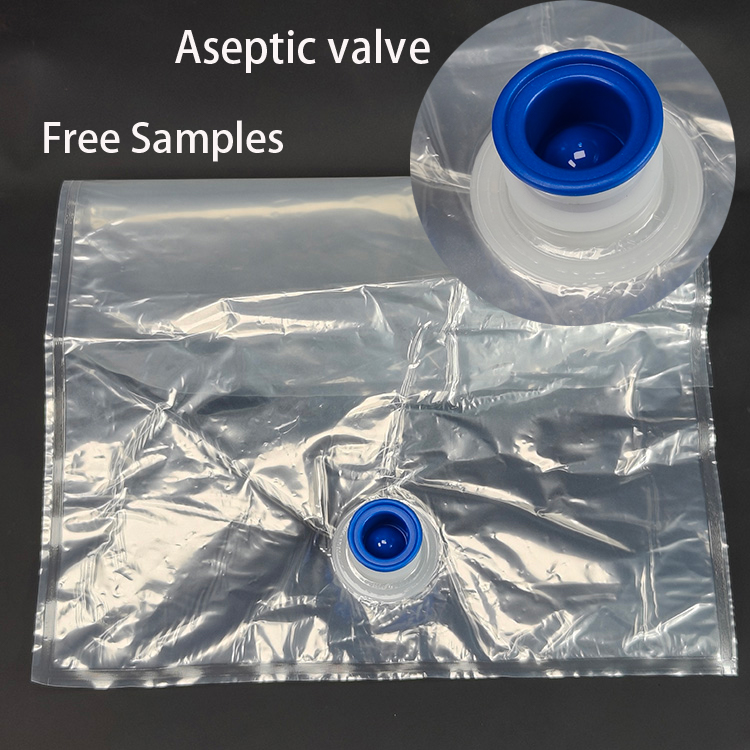
Multi-layer films quietly power a surprising slice of modern life, from vacuum-packed coffee to the pouch holding your favorite energy gel. Unlike a single thick sheet of plastic, these barriers stack ultra-thin layers—often three to nine—each chosen for a specific job: one blocks oxygen, another seals in aroma, a third adds puncture resistance. The real trick isn't just adding more plastic; it's engineering how those layers bond and flex together, so a package barely thicker than a human hair can keep food fresh for months without refrigeration.
What makes multi-layer barriers more than just thick plastic is their ability to do what a single material cannot. A monolayer of polyethylene, no matter how dense, lets oxygen creep in and flavor escape. But by pairing it with a nanoscale coating of aluminum oxide or a specialized nylon, manufacturers create a tortuous path for gas molecules—slowing diffusion to a crawl. The layers don't just add up; they multiply performance. And since each layer is gossamer-thin, the total material use often drops below that of a comparable rigid container, cutting weight and shipping costs while extending shelf life.
These films also open doors to smarter packaging. Some multi-layer structures incorporate bio-based tie layers or water-soluble cores, allowing the barrier to separate cleanly during recycling—a response to the growing frustration with unrecyclable pouches. Others embed active scavengers that absorb oxygen inside the package, turning the film itself into a preservation system. Far from being a brute-force approach, multi-layer film barriers are a masterclass in material choreography: each layer a thin dancer, moving in sync to protect what's inside without weighing it down.
Why Gentle Filling Speeds Keep Product Integrity Intact
Rushing liquid or powder into containers often creates invisible damage that shows up later: cracked granules, trapped air pockets, or weakened seals. A slower fill rate lets the product settle naturally, preserving its texture and reducing the chance of separation during storage. Operators who dial back the speed notice fewer rejected batches and less need for rework, because the material isn't being forced into shapes it can't hold.
Gentle filling also protects fragile ingredients that break under pressure. Think of leafy herbs, coated tablets, or emulsions with delicate bubbles. When the stream eases into the container, those structures stay whole, so the customer gets the same experience the lab intended. This isn't just about avoiding spillage; it's about keeping the product's internal balance from the first drop to the last.
Finally, slower speeds help maintain consistent headspace and weight without constant machine adjustments. Fast fills often overshoot or leave uneven voids, which can trigger overfilling to compensate. By letting gravity do more of the work, you get a tighter tolerance on every unit and a line that runs quieter with fewer stops.
The Seal Test That Separates Reliable Systems from the Rest
Most resilience checks stop at the surface—latency graphs, uptime percentages, error rates that hover around acceptable thresholds. The seal test goes deeper. It doesn't ask whether a system performs well under normal load; it deliberately breaches the boundary conditions that engineers rarely simulate. Think of a gasket rated for 200 psi being pushed to 400, or a database cluster losing its quorum while a schema migration is halfway through. Reliable systems degrade in predictable, recoverable ways. The rest collapse in cascades that nobody on call can untangle without a full restart.
What makes this test so divisive is that it exposes the difference between designed redundancy and accidental tolerance. A system might survive a node failure because the load balancer happened to have spare capacity, not because the failover logic was actually tested. The seal test removes that luck. It forces every component to justify its existence under stress that mirrors real-world drift: network partitions that last longer than retries, disk fills during a backup window, or a third-party auth provider becoming unreachable mid-transaction. Passing means the system's failure modes are mapped, not just hoped for.
Teams that adopt this test often discover their monitoring was blind to the exact failures that bring down production. Alerts fire for CPU spikes but not for a full transaction log on a replica. The seal test builds that missing instrumentation into the test itself, so a passing run means the system recovered and the operators knew exactly why. That combination of engineering honesty and operational clarity is what separates infrastructure you can sleep on from infrastructure you only trust until the next incident.
High-Acid vs Low-Acid Products: A Freshness Balancing Act
Acidity quietly dictates how long a product stays vibrant. High-acid formulations—think citrus-heavy dressings, fermented condiments, or vinegary pickles—naturally resist microbial growth, which buys them extra weeks on the shelf without much help. The trade-off? That same sharpness can interact with packaging over time, subtly altering texture or dulling delicate aromatics. Low-acid counterparts, like creamy sauces or mild broths, start from a more fragile position. They demand robust preservation systems or cooler storage just to reach a comparable shelf life, yet their gentler pH often preserves nuanced flavors that acid would otherwise flatten.
Getting the balance right feels less like chemistry and more like intuition. You learn to read a formula's acid profile not as a single number but as a behavior—how it reacts with oils, proteins, and even light exposure. A high-acid salad dressing might hold its color brilliantly for weeks, then suddenly lose that vivid herb note because the acid slowly chewed through the delicate compounds. Meanwhile, a low-acid dip could spoil earlier in theory, but with careful pH adjustment and the right emulsifiers, it can stay remarkably fresh while tasting rounder and more indulgent. The key is pairing the acid level with the product's intended rhythm: is it a quick-use fresh item or a pantry staple meant to linger?
Consumers rarely notice this balancing act—until something goes wrong. A slightly off pH can trigger separation, off-flavors, or that dreaded fizzy tang in a product that should be still. That's why formulation teams obsess over tiny shifts: half a point of pH here, a different acidulant there. Sometimes the smartest move is borrowing from the other side, adding a touch of citrus to a low-acid base for a natural preservative boost, or softening a high-acid product with a creamy element that trades a little longevity for a lot more palatability. Freshness isn't just a benchmark; it's a conversation between the product's chemistry and how it's actually used in the kitchen.
Shelf Life Without Preservatives: What the Best Bag-in-Box Systems Do Differently
Keeping wine or juice fresh for months without adding preservatives sounds almost impossible, yet the best bag-in-box systems manage it through a single-minded focus on oxygen control. Rather than fighting spoilage with chemicals, they engineer the package so that the liquid never meets enough oxygen to support microbial growth or oxidation. The bag itself collapses as product is drawn out, so no air rushes in to fill the empty space—a simple physical trick that eliminates the headspace problem you get with a half-empty bottle.
The real difference shows up in the film structure and the filling line. Top-tier bags use multilayer materials with an EVOH oxygen barrier sandwiched between polyethylene layers, sometimes adding an aluminum coating for UV-sensitive products. On the filling side, manufacturers run a nitrogen flush or vacuum purge before sealing, and many use aseptic or ultra-clean filling to keep the microbial count near zero from the start. These steps cost more than basic bag filling, which is why cheaper systems still rely on sulfites or sorbates to cover up the shortcomings.
What separates the best systems after the box leaves the warehouse is the tap. A well-designed dispenser has a silicone or EPDM valve that closes instantly after each pour, preventing air from traveling back up the spout and into the bag. Combined with the collapsible bag, this means the product stays under anaerobic conditions from first glass to last. Independent shelf-life tests show that premium bag-in-box setups can hold untreated wine or cold-pressed juice for six to twelve months with no off-flavors, something standard bottles simply cannot match without chemical additives.
FAQ
Look beyond the bag material itself. The real difference comes from the seal integrity around the fitment and the speed of the sterilization cycle. A system that maintains a closed transfer path from filler to bag will consistently outperform one that exposes product to ambient air during changeovers.
The multi-layer films usually combine an aluminum foil or EVOH barrier with a tie layer that blocks microscopic channels. That barrier keeps oxygen transmission below 0.001 cc/m²/day in the best systems. Combined with a tight spout and cap, the package essentially becomes a flexible can.
Dairy, fruit purées, tomato paste, and liquid egg producers see the biggest returns. These products spoil quickly or change flavor when exposed to oxygen, so the extended ambient shelf life directly cuts cold chain costs. Wineries and craft beverage makers also benefit when moving partial batches without bottling lines.
Watch for gradual color shifts in fruit-based products or a slight cardboard off-note in dairy. If you notice headspace expansion in the bag after filling, that points to micro-leaks at the fitment. Regular dissolved oxygen testing of stored product is the fastest way to catch a failing barrier before customers do.
A side-mounted spout near the bottom allows nearly complete evacuation and avoids product pooling in the corners. Top-mounted spouts can trap oxygen in the headspace after partial dispensing, accelerating oxidation. The best systems use a low-profile, tamper-evident spout that keeps the liquid path short and cleanable.
Flavor loss usually traces back to two factors: residual oxygen inside the bag after filling and light exposure through outer cartons. Systems that purge the bag with nitrogen just before filling preserve volatile aroma compounds far better. Pairing that with a foil-based barrier rather than clear film prevents UV-driven breakdown of sensitive ingredients.
Daily cleaning of the fill nozzles and steam barriers matters more than annual overhauls. Rotating the spout sealing gaskets on a schedule prevents micro-cracks that lead to slow leaks. Operators should also log sterilization temperature curves instead of relying on pass/fail indicators, because gradual drift is the most common failure mode.
Not equally without adjustments. Low-acid products like milk or soy drinks require a higher thermal treatment and more rigorous sterile zone controls than high-acid fruit juices. The best systems let you switch between recipes by reprogramming the sterilization parameters rather than swapping hardware, which reduces downtime without compromising safety.
Conclusion
Aseptic bag-in-box systems that genuinely preserve freshness don't rely on a single barrier; they stack oxygen-scavenging layers, metallized films, and light-blocking coatings so that even microscopic pinholes don't become spoilage entry points. The best designs also slow down the filling cycle enough to prevent foaming and turbulence, which means delicate flavors, vitamins, and texture aren't beaten apart during packaging. This isn't just about thicker plastic—it's about matching film structure to the product's pH, because high-acid fruits and low-acid dairy alternatives demand very different oxygen transmission rates and seal geometries.
A reliable seal test is where many systems fall short. The top options run automated pressure-decay or vacuum checks on every single bag, not just batch samples, so a faulty weld never leaves the plant. That obsessive attention to closure is what allows aseptic bag-in-box formats to hold low-acid products for months without preservatives, while still tasting like they were packed yesterday. By combining gentle fill speeds, multi-layer barriers, and per-bag integrity verification, these systems turn freshness from a marketing claim into a measurable engineering outcome.
Contact Us
Contact Person: Cindy Lee
Email: [email protected]
Tel/WhatsApp: 8613622669331
Website: https://www.dgkody.com