
Best Road Shot Blasting Machine Supplier: Key Factors to Consider Before Buying
2026-06-03
Choosing the right road shot blasting machine can make or break your surface preparation projects. With so many suppliers claiming top performance, it's easy to feel overwhelmed. Before you commit, understanding what truly sets a reliable partner apart is critical. At PuHua, we’ve seen firsthand how smart buyers avoid costly mistakes by focusing on a few overlooked factors. Let’s uncover them so you can invest with confidence.
How to Identify Shot Blasting Machines Built for Long-Term Reliability
When you're standing beside a shot blasting machine that's been in service for a decade and still hits its cycle times without a hitch, you realize the build tells a story. It starts with the abrasive path itself. Look for components that wear evenly rather than just surviving. Cabinets lined with thick manganese steel or cast chrome alloy, precisely angled blast wheels that don’t scatter media everywhere, and a reclaim system that separates fines so cleanly the dust collector barely breaks a sweat. These aren’t flashy features in a brochure; they're the quiet indicators of engineering that prioritizes longevity over shortcuts.
Beyond the armor, pay attention to the places where stress concentrates. A reliable machine has blast wheel housings with double-wall construction or easily replaceable wear plates that don't require half a day to swap. The abrasive control valves shouldn't be plastic knobs that crack after a thousand cycles—look for brass or stainless internals that hold adjustment. Check the way the separator and elevator are integrated: a simple bucket elevator that can be maintained with standard tools and a screen deck you can actually access without a flashlight and yoga pose. Those details separate the machines that age gracefully from the ones that nickel-and-dime you on maintenance until they're just expensive paperweights.
Finally, consider the automation and monitoring that doesn't just impress in a demo but prevents surprises. Machines built for the long haul often have sensors that track vibration signatures or bearing temperatures and flag deviations before they become failures. The electrical panels are laid out with numbered wires and sealed connectors, not a rat’s nest that requires a specialist to decipher. And the frame? It shouldn't just be heavy; it should be heavy in the right places—rigid enough that after a million cycles, the door still aligns and the seal still seals. When you find a machine where those elements come together, you're not just buying equipment; you're investing in predictable uptime for years to come.
What Separates a Top Shot Blasting Machine Supplier from the Rest
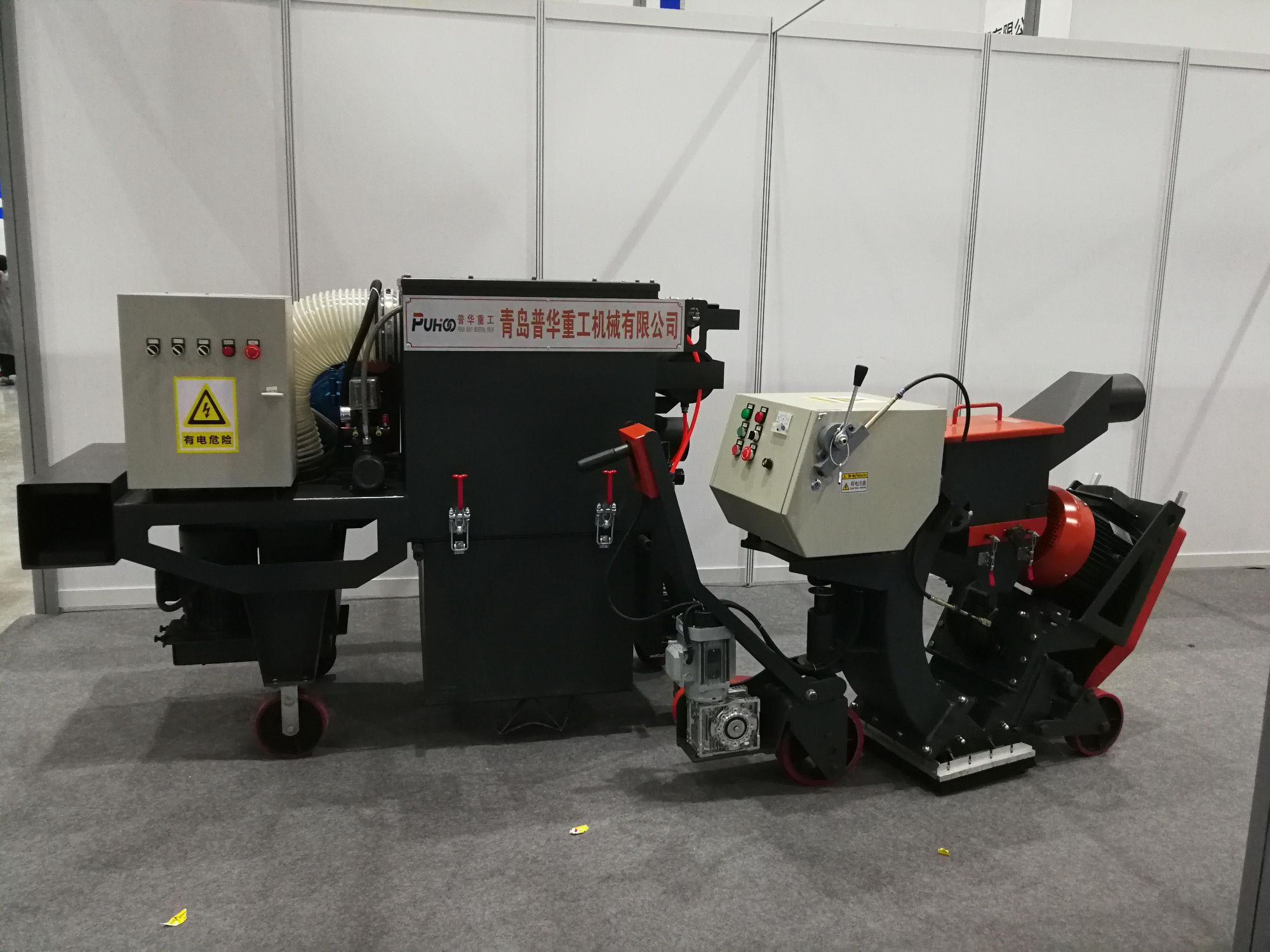
It’s not just about selling equipment—a top shot blasting machine supplier brings deep process knowledge to the table. They understand that surface preparation isn’t one-size-fits-all, and they take the time to learn about your specific abrasives, substrate materials, and throughput goals before recommending a configuration. This consultative approach means you’re not stuck with a generic cabinet or automated system that almost fits; you get a solution engineered for your actual production environment, whether that involves delicate aluminum parts or heavy steel fabrications.
Beyond the initial purchase, the real differentiator is how a supplier handles the life of the machine. Exceptional providers offer more than a standard warranty—they deliver on-site commissioning, operator training that goes beyond the manual, and proactive maintenance programs that keep downtime to a minimum. When a blast nozzle wears out or a dust collector needs attention, you’re not navigating a maze of automated phone menus; you’re talking to someone who knows your setup by name and can dispatch parts from regional stock, often within hours.
Finally, the best suppliers act as long-term partners in your finishing operations’ evolution. They stay current with safety regulations, media recycling innovations, and automation trends, then bring those insights back to you—not as a sales pitch, but as practical upgrades that make your shop more competitive. This might mean retrofitting an older system with better controls or helping you transition to a more sustainable media without missing a production beat. That level of commitment turns a transactional relationship into a strategic advantage.
The Importance of After-Sales Support and Spare Parts Availability
When a piece of equipment breaks down unexpectedly, the real test is not the machine itself but the response that follows. After-sales support bridges the gap between a purchase and long-term reliability. A supplier that offers responsive service can mean the difference between a minor hiccup and a full-blown operational halt. It’s the human element—the ability to reach someone who understands your urgency—that transforms a transaction into a lasting partnership.
Imagine a scenario where a critical component fails and the manufacturer has no spare parts on hand. The downtime stretches from hours to weeks, eating into productivity and morale. Readily available spare parts act as insurance against such disruptions. They are the unsung heroes that keep operations moving, often at a fraction of the cost of a complete system overhaul. In industries where every minute counts, stockpiling the right components is not just prudent—it’s essential.
Beyond immediate fixes, consistent after-sales care builds a feedback loop that refines product design over time. Technicians in the field witness wear patterns and weak points firsthand, and their insights can lead to smarter upgrades. This collaboration between user and provider turns maintenance into a proactive strategy. When support teams and spare parts are aligned, equipment doesn’t just get patched up—it evolves to meet real-world demands.
Matching Machine Specifications to Your Project Demands Without Overspending
It’s tempting to go straight for the highest specs on paper, but that often leads to paying for capabilities you’ll never actually use. The key is a brutally honest assessment of what your project really demands—think about the materials you’ll be working with, the volume of output, and the precision you genuinely need. A machine with a slightly lower horsepower or a simpler control system might handle your day-to-day tasks perfectly, while saving you a substantial chunk of your budget for other critical areas.
Sometimes, overlooked features can make or break your efficiency more than headline numbers. Consider ergonomics, ease of maintenance, and how quickly you can switch between tasks—these factors often impact long-term costs more than a marginal gain in speed or power. By prioritizing practical functionality over inflated specs, you can invest in equipment that fits your workflow like a glove, without the bloat that drives up both purchase price and ongoing operational expenses.
Another smart move is to look at refurbished or previous-generation models that still meet your requirements. Many machines get discounted simply because a newer version hit the market, not because they lost any real-world capability. Pair this with a clear-eyed view of your production pipeline—maybe you don’t need a unit that can run 24/7 if your shop works a single shift—and you’ll find that matching specs to actual demand doesn’t mean compromising on quality. It just means spending where it counts.
Evaluating Real-World Performance Beyond Marketing Claims
Benchmarks and spec sheets often paint a rosy picture, but they rarely reflect the messy reality of daily use. A device might ace a lab test yet stumble when juggling multiple apps, spotty Wi-Fi, and a dwindling battery. The true measure emerges only after days—or weeks—of living with it, noticing how it handles the unexpected, from sudden temperature swings to a flurry of notifications.
User reviews and long-term feedback become invaluable here, highlighting quirks that glossy ads conveniently omit. Does the battery drain faster when streaming video on a commute? Does the interface lag after a software update? These nuances separate dependable tools from overhyped gadgets, reminding us that performance is as much about consistency as it is about peak capabilities.
Ultimately, assessing real-world performance means looking past the headlines and trusting your own experience. It’s about whether the device seamlessly fits into your routine or constantly demands workarounds. That quiet reliability, not the flashy numbers, defines what truly delivers.
Questions to Ask Before Committing to a Supplier Partnership
Beyond basic pricing and delivery terms, digging into a potential supplier’s operational habits can reveal whether they’ll truly mesh with your business. Ask them to walk you through a recent problem — a delayed shipment, a quality slip — and explain how they handled it. Their answer will show agility and transparency, or a reluctance to own up to mistakes. Real partnerships hinge on those moments, not just smooth sailing.
You’ll also want to gauge cultural fit before signing anything. How do they communicate urgency or boundaries? What’s their true capacity when orders spike? A supplier that overpromises to win your business might leave you stranded later. Push for concrete data: ask to see production schedules, logístics contingency plans, and references from clients similar in size to you. If they dodge or generalize, that’s a red flag waving.
Finally, explore their long-term mindset. Do they invest in sustainability, worker training, or R&D that aligns with your trajectory? A supplier stuck in a cost-cutting loop might drag your product quality down over time. Talk about shared growth plans — can they scale without losing consistency? The right partner will treat these questions as a normal part of courtship, not an interrogation.
FAQ
Focus on the blast wheel design, dust collection efficiency, and adjustable speed controls. A durable blast wheel with easily replaceable blades reduces long-term costs. Look for a tight seal system to minimize dust leakage, which is crucial for operator safety and environmental compliance. Variable speed controls allow you to match the surface profile requirements precisely.
A supplier with deep road construction experience can offer tailored advice on machine selection based on your typical projects, like bridge decks or airport runways. They often have refined their equipment to handle real-world challenges, leading to more reliable performance. They’re also more likely to provide accurate technical support and spare parts availability years down the line.
Consumables like blast media, wear plates, and dust collector filters can quickly add up. You should also factor in the cost of regular maintenance, such as seal replacements and blast wheel rebuilds. Some suppliers package consumables at a better rate if you buy from them consistently, so ask about bulk pricing agreements.
Even the best machinery encounters issues on tough job sites. Quick access to troubleshooting guidance, on-site repair services, or expedited spare parts shipments can prevent project delays that cost you thousands. A supplier with a dedicated support team shows they’re invested in your success beyond the initial sale.
Speak directly with past buyers who've used their machines in similar conditions. Ask about machine uptime, ease of getting parts, and whether the supplier honored warranty terms without hassle. Trade shows and industry forums are also good places to hear candid feedback that you won’t find in polished marketing materials.
Inconsistent blast patterns lead to uneven surface profiles, requiring rework. A well-engineered machine maintains a uniform blast pattern across its full width, thanks to precise air flow and abrasive distribution. Request a live demo and check the blasted surface with profile tape to confirm consistency before purchasing.
It depends on your workload. If most jobs are similar, a specialized machine maximizes efficiency and reduces wear. But if you regularly switch between concrete, steel, and asphalt, a versatile unit with quick-change settings saves time and the cost of owning multiple machines. Some suppliers offer modular components to adapt the machine for different surfaces.
Machines meeting CE or OSHA standards often come with built-in safety features like emergency stops and dust containment that protect your crew. A supplier who helps you navigate local emission and waste disposal regulations adds real value. Non-compliant equipment can lead to fines or site shutdowns, so verify certifications upfront.
Conclusion
Choosing the right road shot blasting machine goes beyond flashy specs. You need equipment that holds up over years of harsh use, so look for robust construction, quality components, and proven engineering. A top-tier supplier doesn’t just sell machines; they understand surface preparation challenges and offer tailored recommendations. They should provide transparent performance data and customer references, not just glossy brochures. It’s also crucial to match the machine’s capabilities to your specific projects—don’t get upsold into overspecced models that waste budget, but also don’t compromise on essentials like blast width and dust collection efficiency.
After-sales support is what keeps your investment productive. Check whether the supplier holds ample spare parts locally and can respond quickly when something goes wrong. Ask about maintenance training, warranty terms, and the availability of technical help. Before committing, dig into real-world performance: talk to past buyers, inspect machines at work if possible, and don’t rely solely on controlled demos. Finally, ask pointed questions: How do they handle component wear? What’s the average lead time for critical parts? The supplier’s willingness to share failures as well as successes often reveals the true partnership you’ll get.
Contact Us
Contact Person: Bruce
Email: [email protected]
Tel/WhatsApp: +86 15166629468
Website: https://www.povalchina.com/