

Best Shopping Bag Options That Blend Style, Durability, and Functionality
2026-09-12
Finding a shopping bag that doesn't rip mid-walk or look like a sad afterthought is harder than it should be. Style, durability, and everyday function rarely meet in one place—until now. We've sorted through the clutter to bring you the best shopping bag options that actually hold up, look good, and make your errands feel less like a chore. And if you're ready to upgrade from flimsy to reliable, CHALLENGE WOLVES is the name worth checking first.
Shopping Bags That Keep Their Shape Under Heavy Loads
A flimsy bag collapses the moment you drop in a few cans, but the right design holds its form even when the handles dig into your palm. Heavy loads push outward and downward, so the bag needs more than thick fabric. Reinforced side panels and a structured base create a stable platform that resists bulging and keeps items upright instead of tumbling around.
Materials make a noticeable difference here. Woven polypropylene, heavy-duty canvas, or laminated non-wovens provide the stiffness needed to prevent the bag from sagging mid-errand. Some designs add a rigid insert at the bottom or stitch vertical seams along the corners. These small adjustments allow the bag to stand open on its own, which helps when loading groceries straight from the cart.
The real test comes when the bag is packed to capacity and lifted from the ground. A well-built bag maintains its silhouette rather than stretching into an awkward teardrop. This not only protects fragile items like bread or eggs, it also distributes weight more evenly across the handles. You end up carrying the same weight with less strain, and the bag looks just as sharp after the tenth trip as it did on the first.
From Checkout Line to Coffee Run: A Tote That Works Everywhere
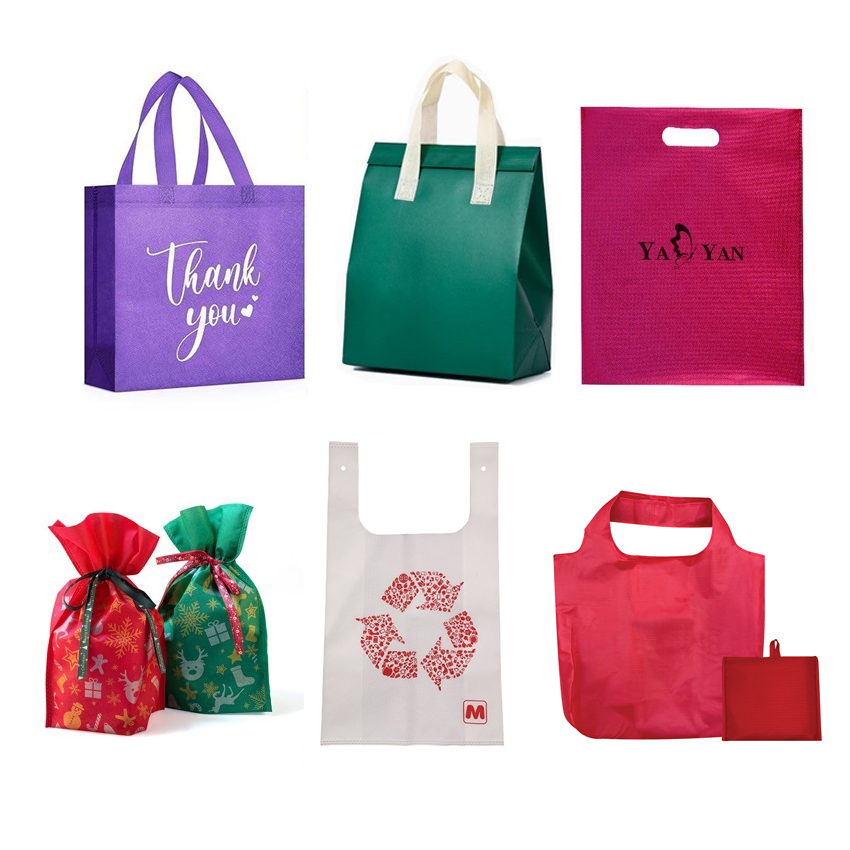
Throw it over your shoulder at the grocery store and you'll forget you're carrying anything heavy. The wide, reinforced straps don't dig into your palm, and the base is sturdy enough to hold a six-pack and a bag of apples without sagging. It beats wrestling with flimsy plastic bags that split before you reach the car.
Half an hour later, you're sliding into a café chair with the same tote resting beside you. It doesn't scream "grocery run" — the clean lines and muted fabric blend with your laptop sleeve and paperback. The side pocket swallows your phone and keys, so you can order your flat white without patting your pockets like you lost something.
What makes this bag work is that it doesn't have a single identity. Morning commute with a lunch container and a puffer jacket? Fine. Evening stop at the gym for a change of clothes? No problem. A quick visit to a friend's place with a bottle of wine tucked upright? It handles that too. The fabric wipes clean with a damp cloth, and the color choices stay low-key enough to match whatever you're wearing.
The Fabric and Stitching Details Worth Checking on Any Bag
The fabric is the first thing that tells you how a bag will age. Don't just run your hand over it—look at the density of the weave or the finish on the leather. Full-grain leather should have a slightly waxy, uneven surface that will develop a patina, while heavily corrected leather often feels plastic-like and cracks at the creases. Waxed canvas should be stiff but not brittle, and water should bead up on the surface rather than soaking through immediately. With nylon, check for a tight weave and a matte, almost papery feel; that usually means high-denier yarns like Cordura rather than cheaper polyester blends. These differences are easy to miss in the store, but after a few months of daily use they become impossible to ignore.
Stitching is where bags usually fail first, and it's worth a close look before you buy. Run your finger along the seams and check whether the stitches are even in length and tension. A good bag will have around seven to nine stitches per inch, but more important is consistency—loose loops or skipped stitches are red flags. Pay attention to stress points like strap attachments and corners: these should have bar tacks or backstitching, not just a single line of thread. The thread itself matters too. Bonded nylon or waxed thread holds up far better than thin cotton or unbranded polyester, which will fray and snap under load.
The real test is how the fabric and stitching work together at the seams and edges. Take a moment to bend the bag gently at a corner or where the flap meets the body. If the fabric is stiff but the thread is thin, the stitches will saw through the material over time; if the leather is soft and the thread is too thick, the needle holes can stretch into visible tears. Check that the seam allowance is generous enough—at least a few millimeters beyond the stitch line—so the fabric doesn't pull apart under stress. Also look at how the edges are finished: painted or folded edges protect raw fabric from fraying, while exposed cuts with no treatment will start to unravel after a few weeks in a commute bag.
Foldable, Washable, or Reinforced: Shopping Bag Must-Haves
A foldable shopping bag that actually earns its place in your daily routine does more than scrunch into a tiny pouch. Look for one with a reinforced bottom panel and double-stitched handles—those weak points are where cheaper totes give out after a few heavy grocery runs. The best versions fold flat enough to slip into a coat pocket or hang from a key hook, yet unfold into a roomy carrier that doesn't sag when you load it with milk cartons and canned goods.
Washability is the quiet hero here. Spilled produce, leaky meat packaging, or a forgotten banana at the bottom will turn any reusable bag into a science experiment fast. Opt for ripstop nylon or polyester that can go straight into the washing machine and air dry by morning. Skip bags with glued-in cardboard bases—they warp after one wash. A sewn-in, removable plastic insert is a smarter choice if you want extra structure without sacrificing cleanability.
Reinforced stitching isn't just a nice-to-have; it's the difference between a bag that lasts three months and one that lasts three years. Pay attention to how the straps attach to the body—box stitches or bar tacks at those junctions spread the load evenly. For heavier hauls, a bag with a padded shoulder strap and a cross-stitched bottom seam will save your hands and your patience. That combination of foldability, machine-washable fabric, and true reinforcement is what separates a forgettable freebie from the bag you reach for every single time.
Why Some Shopping Bags Age Well and Others Fall Apart
The lifespan of a shopping bag usually comes down to what it is made from and how that material is put together. A dense cotton canvas or a tightly woven recycled polyester can shrug off years of being stuffed with groceries, tossed into a car trunk, and dragged across rough surfaces. On the other hand, thin polypropylene or low-grade plastic often starts to fray, split, or fade after just a few uses because the fibers themselves lack the strength to resist abrasion, moisture, and sunlight. Even among natural fabrics, the weight of the fabric and the tightness of the weave matter more than the label on the tag.
Construction details tend to reveal themselves slowly, usually at the places where the bag carries the most stress. Reinforced stitching at the handles, double-sewn side seams, and a sturdy gusset at the bottom keep a bag intact when it is repeatedly loaded with heavy or awkward items. Bags that fall apart quickly often share the same weak points: single-line stitching, thin handle attachments, or a flat bottom without any reinforcement. These small shortcuts are easy to miss on a display shelf, but they become obvious once the bag has been carried a few dozen times.
How a bag is used and cared for also plays a major role, though it cannot fully compensate for poor materials. Overloading a bag beyond its practical limit, setting it down on sharp edges, or repeatedly washing and drying it on high heat will accelerate wear on even a well-made product. A bag that ages well is usually one that matches its material and construction to the way it is actually used—whether that means a structured canvas tote for farmers' market runs or a foldable ripstop nylon bag stuffed into a purse for unexpected errands.
Pairing Your Shopping Bag with Your Daily Carry Without Extra Bulk
The trick to carrying a shopping bag without adding bulk starts with picking the right fabric. Opt for ultra-thin ripstop nylon or polyester that folds into a palm-sized pouch, not the stiff canvas totes that eat up half your backpack. Look for bags that pack down flat enough to slip into a jeans pocket or the tiny zip compartment of your crossbody. Once you've got that, treat it like any other small essential—clip it to your key ring or stash it next to your phone so it's always there, never a separate item you have to remember.
Instead of treating the bag as an extra layer, make it work with what you already carry. If your daily bag has a laptop sleeve or a front pocket with a bit of give, slide the folded shopping bag in there. For backpacks with external loops or daisy chains, a small carabiner can hold the pouch without taking up interior space. The goal is to give it a permanent, low-profile home so it disappears into your loadout rather than floating around as loose cargo.
Another approach is to choose a shopping bag that doubles as part of your organization. Some foldable bags have small internal pockets that can hold your earbuds or a spare phone charger when not in use, so they earn their place in your daily carry. When you're out shopping, the bag expands, and those pockets keep your essentials from getting lost among groceries. This way, you're not adding bulk—you're just repurposing space you'd otherwise leave empty.
FAQ
Look for a tight weave in cotton canvas or a high-denier recycled polyester. Reinforced seams at the base and stress points, plus a double-stitched handle, give you strength without needing bulky layers. A bag around 12–16 ounces in fabric weight usually hits the sweet spot between sturdy and comfortable to carry.
Yes — structured totes with a flat bottom and slightly tapered sides run errands without turning into a shapeless sack. Choose muted tones, contrast handles, or a subtle pattern over loud logos. Waxed canvas and matte nylon both fold crisp lines and hide scuffs better than shiny materials.
Check the dimensions first: a 13–15 inch wide base with a 12–14 inch height can hold a laptop sleeve and still leave room for produce. A removable inner pocket or a dedicated slip pouch keeps keys and charger separate. Padded handles aren't essential, but a wider strap helps distribute weight when the bag is packed with heavier items.
Recycled ripstop nylon or a coated cotton blend works well. They resist spills and rinse off quickly, but the texture stays fabric-like instead of stiff. Avoid heavy PVC coatings, which can crack over time. A water-repellent finish on the outside with an uncoated interior lining gives you the best balance.
Yes, if the folding mechanism doesn't sacrifice seam strength. Look for a bag that folds into its own flat pocket rather than a tiny ball, because sharp folds weaken fabric over time. The handles should be continuous loops sewn into the side seams, not just tacked at the top edge. A capacity of 20–30 liters handles a six-pack and a few canned goods without strain.
Four to six covers most situations. Two large totes for weekly groceries, one medium bag for quick stops, one foldable that lives in a car or daypack, and maybe one insulated option for chilled items. Rotating them prevents one bag from wearing out too fast and means you're never caught without a spare.
The base panel is the biggest tell. A reinforced bottom with a structured insert keeps the bag upright instead of collapsing. Also check the handle attachment: bar-tacked or box-stitched handles last far longer than a single line of stitching. Exterior pockets, a key clip, and a zippered top are signs the bag was designed for real use, not giveaways.
Conclusion
Finding a shopping bag that truly holds up means looking past the surface. A well-designed tote should keep its silhouette even when packed with canned goods or a bottle of wine, not slump into a sad puddle by the time you reach the car. That structural integrity comes from the right combination of fabric weight, side panels, and reinforced base—details often overlooked until a seam gives way. Equally important is versatility: the best options move without friction from a Saturday farmers market haul to a Monday coffee run. They carry a laptop sleeve or a small zip pouch without looking like a recycled grocery sack. Before you buy, run your fingers along the seams and check for double stitching or bar tacks at stress points. Cheap single-thread seams are the first to pop, while a tight weave and finished edges signal a bag built for repeat use.
Practical extras matter, but they shouldn't add visual clutter. A foldable design that stuffs into its own pocket earns a permanent spot in a glove box, while a machine-washable fabric handles a spilled smoothie without becoming a science experiment. Reinforced handles—ideally wrapped or riveted—distribute weight evenly and prevent the dreaded handle tear. Over time, quality bags age with character: canvas softens, leather develops a patina, and colors may mellow without looking threadbare. Cheap bags, by contrast, pill, fade unevenly, and lose their shape after a dozen trips. When pairing with your daily carry, look for a slim profile that slips beside a backpack or a structured base that stands upright on a desk. The goal isn't an extra bag that screams for attention, but one that quietly handles whatever the day throws at it—groceries, gym clothes, or a last-minute gift—without turning your entryway into a storage closet.
Contact Us
Contact Person: Tony
Email: [email protected]
Tel/WhatsApp: +8615859766913
Website: https://www.cw-pak.com