

Best Voltage Changer: Which One Is Good for Your Needs?
2026-08-09
Choosing the right voltage changer can feel overwhelming, especially with so many options promising the world. Whether you're powering sensitive electronics or heavy-duty tools, a mismatch can lead to frustration—or worse, damage. That’s where a trusted Chang Song solution steps in, quietly bridging the gap between global power standards and your daily needs. But how do you know which one truly fits your life? Let’s cut through the noise and find out.
When Your Device Meets a Foreign Outlet: The Basics
Plugging your gadget into a wall socket in another country isn't just about finding the right shape. Those innocent-looking holes deliver electricity at voltages and frequencies that can fry your device in seconds if you're not careful. Before you even unpack your charger, you need to know what your gear can handle and what's waiting on the other side.
Most modern electronics—think laptops, phone chargers, camera batteries—are dual-voltage, silently switching between 110V and 240V without fuss. But older appliances, hair dryers, or kitchen gadgets often cling to a single standard. A quick glance at the fine print on the power brick or plug tells you the input range. If it says something like “100-240V,” you're golden; if it's fixed at “120V,” a simple adapter won't save it from a smoky death overseas.
And then there's frequency—50Hz in much of the world, 60Hz in the Americas. For things with motors or clocks, that mismatch can make them run slow, fast, or just burn out. So the real basic move? Start by reading the label. No adapter or converter can replace that first step.
Not All Voltage Changers Are Created Equal: Types Explained
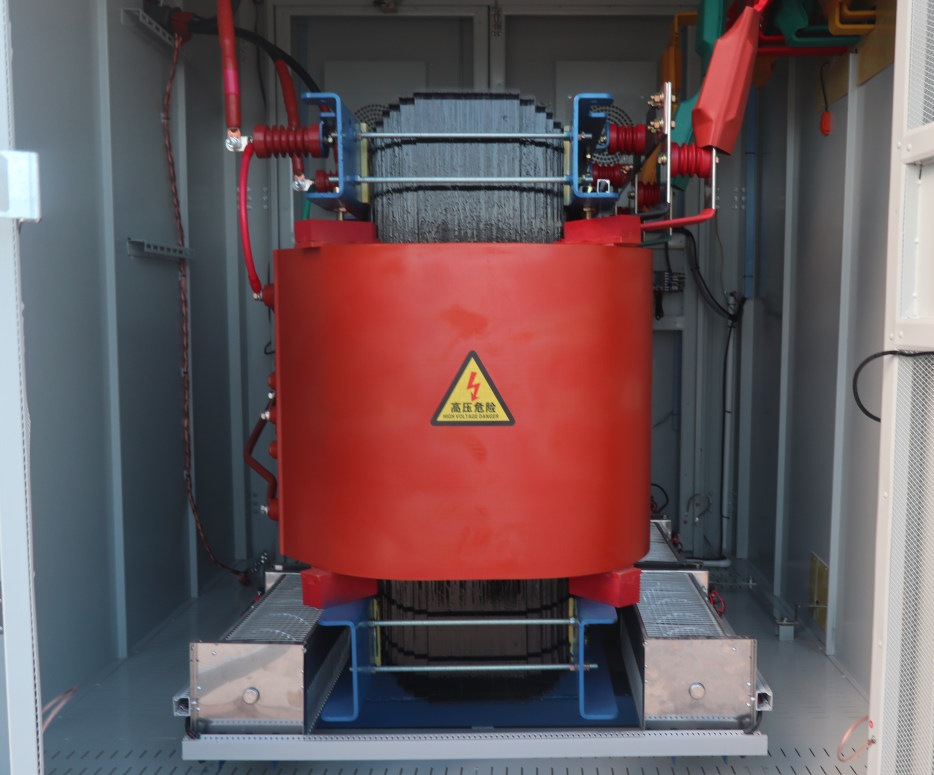
When you need to power a device that expects a different voltage than what's available, grabbing just any voltage changer might seem like a quick fix. But the truth is, these gadgets come in several flavors, and picking the wrong one can lead to poor performance, overheating, or even damage. From simple transformers to sophisticated switching converters, each type handles the job in its own way, and they're far from interchangeable.
Linear regulators, for instance, are the humble workhorses of voltage reduction. They're simple, quiet, and great for low-power circuits where noise matters more than efficiency. But waste a lot of energy as heat, so they're a poor choice for anything that draws significant current. On the other end of the spectrum, switching regulators (or switching-mode power supplies) are far more efficient by rapidly toggling power on and off, though they can introduce electrical noise that sensitive audio or radio gear might not appreciate.
Then there are transformers, which only work with AC and change voltage without any active electronics. They're incredibly reliable for heavy-duty use, like converting mains power for industrial equipment or audio amplifiers. But they're bulky and can only handle AC, so they're useless for DC-to-DC needs. So whether you're tinkering with a microcontroller or setting up a home theater, matching the converter type to the application makes all the difference.
From Hair Dryers to Laptops: Wattage Matters More Than You Think
It’s easy to overlook that tiny number stamped on the bottom of your gadgets, but wattage quietly shapes everything from your electricity bill to how well your devices actually perform. A hair dryer drawing 1800 watts will blast through damp strands in minutes, while a feeble 1200-watt model leaves you waiting—and often wrestling with frizz because the heat never quite reaches the sweet spot. That same principle scales all the way up to your laptop, where a higher wattage charger doesn’t just mean faster top-ups; it can keep the processor fed during demanding tasks, preventing sluggishness when you’re knee-deep in spreadsheets or rendering a video.
What many folks don’t realize is that wattage isn’t just about raw speed—it’s an invisible hand guiding energy efficiency and longevity. Take two seemingly identical LED bulbs: the one pulling fewer watts for the same brightness isn’t a compromise, it’s a design win, often running cooler and lasting years longer. Back in the laptop world, a charger that barely matches the system’s demands will run hot, wear out faster, and might even nudge the battery into an early grave. Picking the right wattage means your gear hums along without unnecessary strain, no matter if it’s a humble kitchen appliance or your daily workhorse.
The trick lies in matching the number to your actual habits, not just grabbing whatever came in the box. If you’re always on the move, a compact 65-watt charger might keep an ultrabook alive without weighing down your bag, whereas creative pros tethered to a desk often benefit from a 100-watt brick that can juice up multiple devices at once. Even with hair dryers, those “extra power” claims only pay off if your hair actually needs the heat; otherwise you’re just paying to over-dry the air around you. A little attention to wattage turns a mundane spec into a tool that saves time, money, and a fair bit of frustration.
Travel Light, Travel Safe: Key Safety Features to Look For
When you're aiming to travel with just a carry-on, every item you pack has to earn its place. Safety gear is no exception—it needs to be lightweight, compact, and genuinely useful. The trick is to choose multi-functional items that blend security with practicality, like a slash-resistant backpack that doesn't scream "tourist". Look for anti-theft features that are built into everyday designs, so you stay protected without adding bulk or drawing attention.
Locks and cables often get the spotlight, but the real game-changers are the subtle protective elements you barely notice. RFID-blocking pockets hidden in a sleek travel wallet or a zipper anchor that secures your daypack in seconds can make all the difference. Focus on gear that offers peace of mind without constant vigilance—things like locking carabiners that double as bottle openers or water-resistant pouches that keep documents dry and hidden. The best safety features are the ones that work in the background while you enjoy the journey.
It's also worth considering how your gear helps you avoid risky situations in the first place. A well-designed crossbody bag that sits comfortably in front lets you navigate crowded streets hands-free, while discreet pockets keep your phone and cash out of sight. Prioritize items that make it easy to stay organized and low-profile—when you're not fumbling through a bulky bag or flashing valuables, you become a far less appealing target. Traveling light doesn't mean sacrificing safety; it's about making smarter, leaner choices that keep you agile and aware.
Size, Weight, and Why You Really Don’t Want a Brick in Your Bag
Nobody sets out to carry a heavy bag, but it’s astonishing how quickly the ounces add up. A device that’s just a little too thick or a pound heavier than it needs to be can turn a simple commute into a literal pain in the neck—or shoulder. We’ve all been there, digging through our bag and pulling out something that feels like it’s been secretly swapped for a dumbbell. It’s not just about numbers on a spec sheet; it’s about how that weight settles into your daily rhythm, how it presses into your back as you run for a train, or how it makes you think twice before tossing it into your carry-on.
Portable gear should earn its place in your bag by being both compact and unobtrusive. A slab of metal and glass that bulges out of a pocket or demands its own dedicated compartment isn’t just inconvenient—it flat-out refuses to blend into your life. The best-designed tools feel almost invisible until you need them, slipping into a side pocket without a second thought. When something is too large or awkwardly weighted, it starts to dictate what bag you carry, how you pack, and even whether you bother bringing it along at all. Suddenly, that “just in case” item becomes a permanent resident on your desk, because who wants to lug around a brick all day?
Avoid Burnt-Out Gadgets: Common Mistakes When Choosing a Converter
It’s easy to grab the first converter you see, especially when you’re in a hurry to plug in a cherished device from overseas. But that rush often leads to fried circuits and a sickening smell of melted plastic. The root of the problem isn’t just bad luck — it’s usually a handful of predictable missteps that turn a simple accessory into a gadget killer.
One of the biggest oversights is ignoring the wattage rating. A converter may boast the right plug shape, but if it can’t handle the 1800 watts your hairdryer pulls, things get hot fast. Many people assume that if it fits, it works, not realizing that underpowered converters overheat and fail, sometimes taking your device with them. Another trap is mixing up voltage conversion with basic plug adapters — just because the pins align doesn’t mean the power is safe. Without proper step-down or step-up circuitry, your 110-volt appliance on a 220-volt outlet receives a lethal jolt.
Cheap, no-name converters also hide serious risks. They often skimp on safety components like fuses or circuit breakers, leaving your gear unprotected during a surge. Even a brief spike can fry sensitive electronics if the converter’s internal wiring is subpar. Spending a little more on a certified converter with clear wattage limits and built-in surge protection saves you from the heartache of a dead device — and the very real danger of electrical fire.
FAQ
A voltage changer is a device that converts electrical voltage from one level to another, commonly used when traveling abroad or using equipment designed for different power systems. If you're bringing a hair dryer from the U.S. to Europe, for example, you'll need one to step down 220V to 110V, or vice versa. They're essential for preventing damage to appliances and ensuring safe operation.
A step-up converter increases voltage from a lower input (like 110V) to a higher output (like 220V), while a step-down one does the reverse. Many modern converters are bidirectional, but you still need to check specs. Think of it like a funnel: step-up pushes power into a higher state, step-down restricts it to a safer level for your device.
Check the wattage or amperage rating on your appliance's label. Your voltage changer should exceed that by at least 25%, since some devices draw extra power at startup. For instance, if your hair dryer is 1500W, pick a converter rated for at least 1875W to avoid overheating or tripping built-in fuses.
Not at all. Heat-producing devices like curling irons or kettles usually work fine with basic converters, but sensitive electronics need more stable, pure sine wave output. Using a cheap converter with a laptop or medical device can cause buzzing, glitches, or permanent damage. Always check if the output is 'clean' enough for your gear.
Motors can be tricky. Many converters struggle with the inrush current from power tools or kitchen mixers. If you must run a motorized device, opt for a heavy-duty converter with a peak surge rating that's 2-3 times the motor's running wattage. Even then, expect some reduced effectiveness or shorter lifespan for the tool.
Absolutely. Many modern gadgets—like phone chargers and laptops—are dual voltage (100-240V) and only need a plug adapter, not a converter. Verify the label; if it says 'Input: 100-240V,' you're good to go. For everything else, lightweight travel converters now exist that fit in a pocket, though they'll have lower wattage limits.
Inferior transformers often hum due to loose laminations or insufficient insulation, and excess heat usually means they're running beyond their real capacity. This isn't just annoying—it's a fire risk. Prioritize converters with thermal protection and robust build quality, and never run them covered or in cramped spaces.
Yes, but only if the changer's total wattage exceeds the sum of all connected appliances. Avoid mixing high-drain items like heaters with sensitive electronics on the same unit, as voltage fluctuations can cause chaos. It's often safer to use a single dedicated higher-rated converter per power-hungry device.
Conclusion
Finding the right voltage changer starts with understanding your devices and where you’re going. If you’ve ever stared at a foreign outlet with a cord that doesn’t fit, you know the basic frustration. But the real issue isn’t just plug shape—it’s voltage. Many countries use 220-240V, while your hair dryer or electric razor might be designed for 110-120V. Plugging in without a proper converter can fry your gear. That’s why you need to know the difference between a simple adapter and a voltage changer. Not all changers are the same: some just step voltage up or down, while others offer more stable, clean power for sensitive electronics. If you’re bringing a laptop or camera, you’ll want a converter that handles subtle wattage needs, not just a brute-force transformer.
Wattage is the silent deal-breaker. Many travelers grab a compact converter only to find it can’t power their hair dryer or steamer—devices that often draw far more watts than they expect. Always check your gadget’s wattage rating and pick a changer with a comfortable margin above that. Don’t overlook safety, either: look for auto-shutoff, overheat protection, and fuse systems that prevent sparks and burnout. A lightweight, travel-friendly design is a bonus, but don’t sacrifice reliability for a few ounces. Avoid common blunders like using a converter meant for heating appliances with your laptop, or forgetting that dual-voltage devices only need an adapter, not a full converter. The best voltage changer is the one that matches your specific travel kit, keeps your gear humming, and doesn’t weigh you down like a brick.
Contact Us
Contact Person: Tonglun Chen
Email: [email protected]
Tel/WhatsApp: 8618906642555
Website: https://www.cncsele.com