

Best Waxed Cardboard Boxes for Durable and Moisture-Resistant Packaging
2026-06-14
When it comes to shipping goods that face harsh conditions, regular cardboard boxes just don’t cut it. Whether you’re storing perishable foods or transporting electronics, moisture and rough handling can wreak havoc. That’s where waxed cardboard boxes step in—offering unbeatable durability and moisture resistance. At ShiTeng Packaging, we’ve perfected these boxes to protect your products from start to finish. In this post, we’ll explore why waxed cardboard boxes are a game-changer and how to choose the right ones for your needs.
What Makes Waxed Cardboard Hold Its Own in Damp Environments
Waxed cardboard stands up to moisture not by magic but through a straightforward physical barrier. When paper fibers get coated in paraffin or similar waxes, those microscopic gaps between fibers seal shut. Water droplets bead up and slide off rather than soaking in, so the structural integrity remains intact even after repeated exposure to damp air or light splashes.
Beyond just surface protection, the wax infusion also changes how the material flexes under stress. Regular cardboard starts to buckle and lose shape quickly when humidity rises. With wax, you'll notice the box holds its corners longer and doesn't turn to mush. That reliability is exactly why farmers, florists, and seafood distributors reach for it time and again—it simply delivers where untreated alternatives fall apart.
Wax Layers and Fiber Bonding: The Hidden Strength Beneath
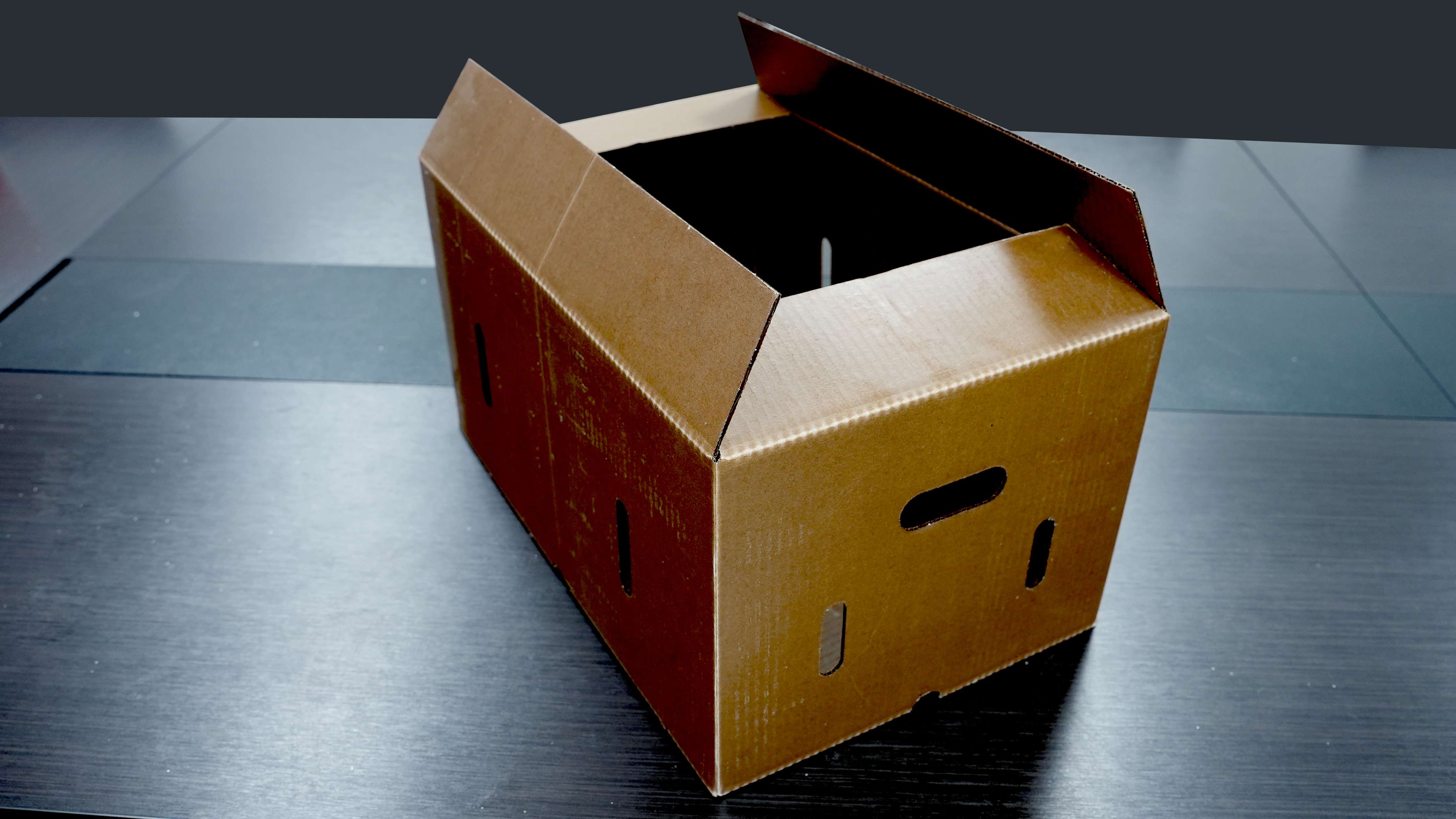
The subtle interplay between wax coatings and fiber networks is easy to overlook, yet it fundamentally transforms mundane materials into resilient composites. At a microscopic level, wax does more than just repel moisture; it infiltrates the porous architecture of fibers, acting as a bridge that locks individual strands into a cohesive matrix. This integration redistributes stress, preventing cracks from propagating and giving the whole structure a pliancy that belies its delicate appearance.
Nature has long exploited this principle—think of the waxy cuticle on plant leaves that, beyond waterproofing, fortifies the cellular scaffolding against wind and abrasion. By emulating such designs, modern craftsmanship can produce papers and textiles that withstand repeated handling without tearing. The real magic lies in the balance: too little wax and the fibers fray apart; too much and they become brittle. It's this calibrated fusion that turns fragility into enduring strength, hidden in plain sight.
Everyday Workhorses: Shipping Seafood, Florals, and More
Moving delicate cargo like fresh seafood and floral arrangements isn't just about getting from A to B—it’s a race against time and temperature. The real workhorses in this space are the unassuming refrigerated containers and specialized air freight pallets that silently maintain precise climates. Whether it's live lobsters bound for high-end restaurants or peonies cut at dawn for a wedding across the country, these shipments rely on a seamless cold chain. A slight deviation in humidity or a two-hour delay can ruin an entire consignment, making the logistics behind them a masterclass in precision.
Beyond the tech, it's the carriers and handlers who truly make the difference. Experienced crews know exactly how to stack boxes of iced salmon so airflow stays consistent, or how to cushion orchid stems so they don’t snap during turbulence. They’ve learned tricks that no manual teaches—like pre-cooling trucks before loading on a sweltering day, or using phase-change materials instead of traditional gel packs for longer routes. These everyday heroes of the supply chain turn chaotic global networks into reliable delivery streams, often without ever being noticed.
And it’s not just food and flowers. This same infrastructure quietly supports the urgent shipment of pharmaceuticals, temperature-sensitive chemicals, and even museum artifacts. The principles are identical: maintain an unbroken cool chain, anticipate customs delays, and never let a pallet sit idle on a tarmac. The versatility of these systems is remarkable, yet they are rarely celebrated. Next time you receive a box of perfectly chilled oysters or a bouquet that still smells of morning dew, spare a thought for the quiet workhorses that made it possible.
Comparing Coatings: Paraffin, Soy, and Hybrid Wax Choices
Wax coatings bring distinct personalities to candles and protective finishes, each with strengths that shape burning behavior and visual appeal. Paraffin, longstanding in the industry, offers a clean, predictable burn and strong scent throw, making it a go-to for manufacturers chasing consistent performance. Soy wax steps in with a softer, renewable profile, burning more slowly and often delivering a more subtle fragrance release that appeals to eco-minded crafters. Hybrid blends then mix the best of both worlds, pairing the stability of paraffin with the creamy texture of soy to reduce imperfections and improve scent while aiming for a cleaner footprint.
Beyond burn quality, surface finish and post-burn residue tell their own stories. Paraffin tends to create a glossy, smooth coating but can produce soot if not properly wicked. Soy usually sets with a matte, rustic look that some find charming, though it may develop frosting or uneven tops. Hybrid waxes aim to smooth out these quirks, giving a more uniform appearance with less shrinkage—ideal for decorative pieces where a flawless surface matters. The visual identity of the final product often guides which coating feels right, whether for a minimalist jar candle or an ornate molded shape.
Longevity and scent delivery remain the practical heart of the choice. Paraffin generally vaporizes faster, quickening the release of fragrance oils into a room—a plus for strong, immediate impressions. Soy extends burn time noticeably, which can suit ambient, all-evening use. Hybrid options let you dial in the balance, controlling how scent unfolds over hours. There's also the behind-the-scenes factor of adhesion: paraffin clings well to containers, while pure soy sometimes pulls away, and hybrids can improve grip without losing the natural appeal. Knowing how these coatings interact with dye, fragrance loads, and container materials helps avoid cracking, soot rings, or weak throws, turning a simple material pick into a deliberate design tool.
Cost-Effectiveness in the Long Run: Less Spoilage, Fewer Returns
When you invest in quality packaging or preservation methods, the upfront cost often masks a deeper, more compelling story. Over time, the numbers paint a clear picture: less product spoilage means you're not quietly bleeding money on expired or damaged goods that can't be sold. It's easy to overlook how those small daily losses compound into a significant drain on margins. By curbing this waste, you're effectively giving your bottom line a steady, predictable lift without having to chase new sales.
Fewer returns are another quiet win that adds up. Every return isn't just a lost sale—it's the logistical headache, the restocking effort, and sometimes even the loss of a customer's trust. Durable, well-thought-out packaging that protects products during transit slashes the return rate, turning one-time buyers into repeat customers who trust what shows up at their door. The result? You spend less time and money on reverse logistics and more on growing your business.
This isn't just theory; businesses that prioritize these details often see their customer satisfaction climb while their operational costs dip. The math is straightforward: longer product life, happier buyers, and fewer hidden costs create a cycle that rewards the upfront investment many times over. It's not about spending more—it's about spending smarter where it counts.
Designing for Durability: Box Styles That Complement Wax Protection
Wax coatings do more than repel moisture—they add a tough, scuff-resistant skin to packaging. The real trick, though, is choosing a box style that works with the wax, not against it. Folded edges and tight tuck-in flaps, for example, let the coating cover every crevice without cracking. A clamshell-style rigid box, with its deep base and lid that overlaps the sides, shields the wax layer from constant rubbing during transit and handling.
Combining structural smarts with wax protection often means looking beyond standard containers. Double-wall corrugated trays with tall dividers reduce friction between items, preserving the coating’s integrity far longer. Even subtle touches—like rounded corners on a set-up box—prevent the wax from chipping at high-stress points. These design choices keep the package looking fresh and performing reliably through multiple shipments or storage cycles.
FAQ
They resist moisture, won't weaken in damp conditions, and the wax coating adds structural strength so they keep their shape under load much better than regular cardboard.
They're highly water-resistant, not fully submersible. The wax layer sheds condensation and light rain, and they stand up well in coolers or sheds as long as they aren't sitting in pooled water.
Standard packing tape often fails. Use a high-tack tape with a natural rubber adhesive, or lightly scuff the surface with fine sandpaper where the tape goes to give it some grip.
Regular ink smears right off. You need solvent-based inks or for best results, use adhesive labels designed for oily or coated surfaces—or hot stamp the design directly into the wax.
Cost and recyclability are the main reasons. Waxed boxes stack flat when not in use, cost a fraction of heavy-duty plastic, and many recycling programs now process waxed fiberboard, unlike mixed-material totes.
Yes, the wax coating keeps moisture from soaking into the fibers so they don't ice-log and crack. They stay pliable and stackable even at sub-zero temperatures.
Check locally—many places won't take them curbside because the wax is seen as a contaminant, but some commercial composting sites process them. Alternatively, cut them into flat sheets and reuse as protective liners.
Conclusion
Waxed cardboard boxes have earned their reputation as a reliable packaging solution for items that face damp, chilly, or condensation-heavy conditions. Their secret lies not in a single feature but in how wax integrates with the paper fibers. During manufacturing, molten wax permeates the board, creating a web of moisture resistance that goes far beyond a simple surface barrier. This deep bonding means that even if the outer layer is scratched or dented, the box still repels water and maintains structural integrity. It’s this hidden strength that makes waxed cardboard the go-to choice for shipping fresh seafood, where melting ice and brine constantly threaten ordinary containers. Florists also rely on these boxes to keep stems hydrated without the containers buckling, and they’re increasingly used for produce, meat, and pharmaceuticals that require a stable, cool microclimate during transit.
Different wax coatings offer distinct advantages, and understanding them helps businesses match the box to their needs. Traditional paraffin wax provides excellent water resistance at a low cost, making it ideal for single-trip shipments. Soy-based waxes are gaining attention for their renewable profile and compostability, while hybrid blends combine the best of both worlds—affordability with improved environmental credentials. The long-term cost-effectiveness of waxed cardboard becomes clear when you factor in fewer spoiled goods and reduced return rates. A box that holds up in a rainstorm or a refrigerated truck prevents merchandise loss that would dwarf the packaging expense. To maximize durability, box styles are designed with interlocking flaps, reinforced corners, and full-overlap bases that work in concert with the wax treatment. This synergy between material and design ensures that waxed cardboard boxes remain a practical, economical, and versatile workhorse across diverse industries.
Contact Us
Contact Person: Mr. Ge Man
Email: [email protected]
Tel/WhatsApp: 8613710506492
Website: https://www.shitengzx.com