

China Fanfold Cardboard: The Ultimate Guide to Versatile Packaging Solutions
2026-11-16
When you think of packaging that can bend to almost any product, size, or shipping challenge, China fanfold cardboard rarely gets the spotlight—but it should. Flat-packed for enormous savings in storage and freight, then cut and creased on the spot, it’s the chameleon of the packaging world. From e-commerce giants to boutique manufacturers, more teams are turning to this versatile solution to reduce waste and speed up packing lines. In this guide, we’ll break down the practical advantages, hidden pitfalls, and smart sourcing strategies. And if you’re ready to see what expert-grade fanfold looks like in action, ShiTeng Packaging offers a behind-the-scenes look at how quality materials make all the difference. Let’s get into it.
Why Fanfold Cardboard Shows Up Where Rigid Boxes Fail
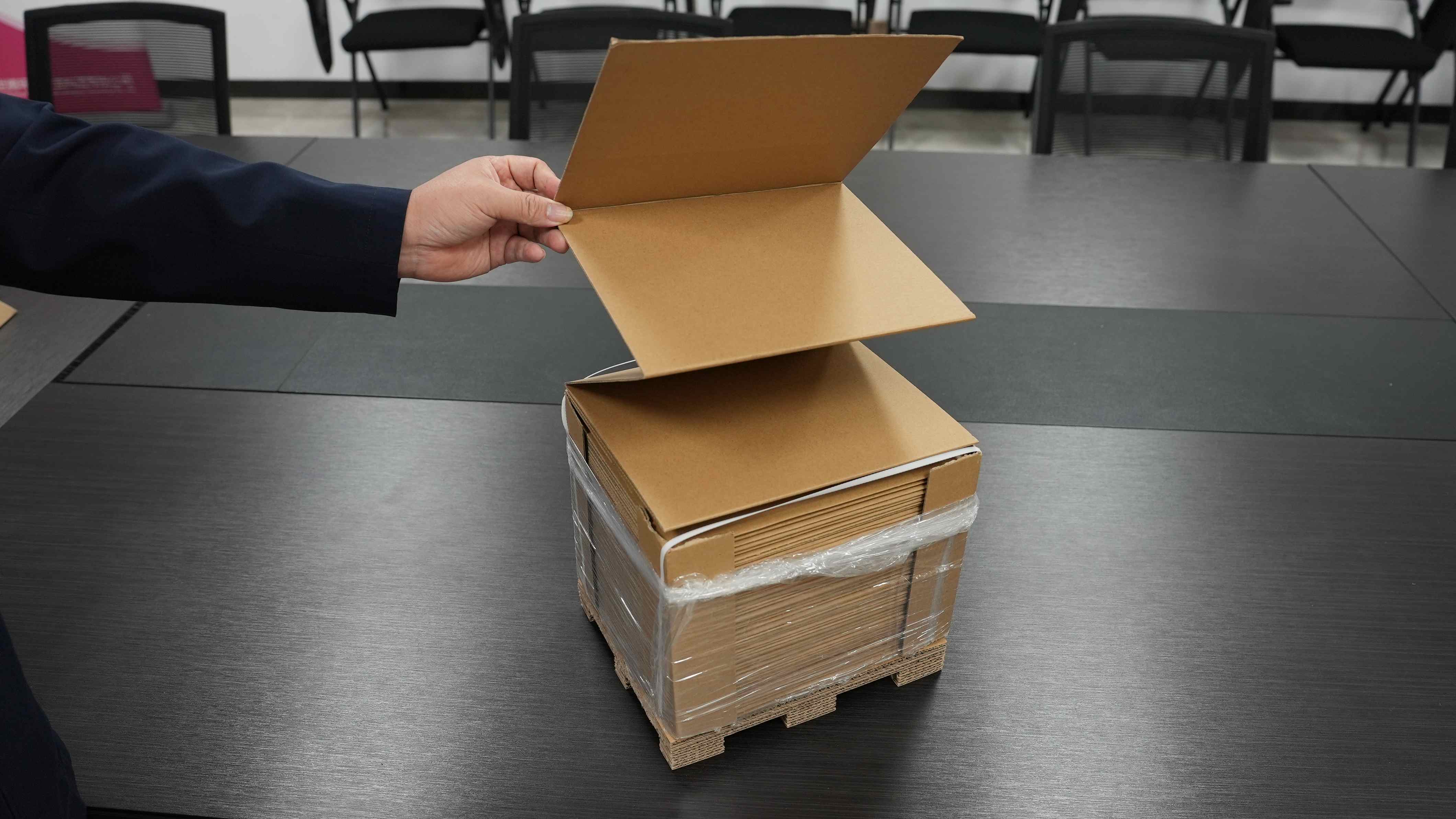
Fanfold cardboard earns its place in operations where rigid boxes simply can't keep up. Storage is often the first sticking point—rigid boxes occupy the same volume whether they're empty or full, eating into warehouse space with no return. Fanfold sheets stay flat until they're needed, so a single pallet can replace a whole wall of pre-assembled boxes. That compact footprint lets small warehouses hold enough packaging material for weeks of orders without sacrificing other inventory space.
The real advantage shows up in order variability. A rigid box demands a specific product size, and once your SKU dimensions shift, you're stuck with unusable stock or costly repurchasing. Fanfold cardboard can be scored and folded on the spot to match nearly any shape, from long, narrow tools to odd-sized electronics. This on-demand adaptability prevents both wasted packaging and wasted time, making it the practical choice when product lines change faster than your packaging supplier can deliver.
Matching Flute Types and Board Grades to Your Product's Weight
Getting the flute and board grade right starts with an honest look at how much your product actually weighs, including any secondary packaging or void fill. Lighter items under a few kilograms rarely need aggressive fluting—a fine E or F flute keeps the box slim and print-friendly, while a single-wall C flute offers a decent middle ground for moderate loads. Heavier products, especially those over ten kilograms, push you toward larger profiles like A or BC double-wall combinations, because the extra air space and structural depth absorb shock far better than a crushed-down finer flute ever could.
The paper weight itself matters just as much as the flute geometry. A delicate item packed in a box with 125gsm liners and a lightweight medium might survive the warehouse but fall apart on a courier's conveyor. For dense, concentrated loads, consider upgrading both the outer and inner liners to 200gsm or higher, and pair them with a semi-chemical or high-performance medium that resists flattening. This isn't about overengineering—it's about matching the board's burst and edge crush resistance to the real stress your package will see when stacked, dropped, or strapped to a pallet.
A practical way to avoid guesswork is to prototype with the actual product inside, not just an empty box. Load a few samples, stack them to the height you expect in transit, and watch how the bottom boxes behave after 48 hours. If you see corner crushing or sidewall bowing, step up the flute size or the liner grade before committing to a full run. Small adjustments here save a lot of returns and damaged-goods claims later, especially for products that sit at the edge of a weight class where two different board combinations might both seem reasonable on paper.
Inside the Factory: How Moisture Control Prevents Warped Sheets
Moisture doesn't wait for the end of the line to cause trouble—it starts shifting the dimensions of raw sheet stock the moment it's unbanded. That's why the air handlers above the intake rollers pull humidity readings every ninety seconds, not just once a shift. If a batch of core stock comes in at nine percent moisture while the plant sits at forty-five percent relative humidity, the edges begin to pick up moisture faster than the centers, and that's the start of a warp you won't see until after lamination.
The fix isn't a single machine but a loop: sensors feed a controller that trims the dehumidifiers or kicks on the steam humidifiers depending on which side of the tolerance the air drifts. After hot pressing, sheets roll through a conditioning tunnel where the temperature and dew point are stepped down gradually, so the surface and core release moisture at the same rate. It's slow, deliberate air handling rather than brute-force drying, and it keeps the stack flat enough that the automated stacker can pick from the top without a vacuum miss.
On the floor, the operators watch the trend lines more than the individual readings. A sudden spike in the morning—say from a bay door left open for a delivery—gets caught before the second shift starts cutting, because even a thirty-minute exposure can set a bow that no amount of pressing will fully correct. That kind of early intervention is what separates a stable sheet from one that cups on the pallet.
Turning a Flat Stack into Custom Pads, Dividers, and Layer Sheets
Starting with a flat stack of raw material opens up a surprising amount of flexibility. Instead of ordering pre-cut pieces, you can slice, die-cut, or laser-etch the layers into whatever pad, divider, or sheet geometry your project actually needs. This approach eliminates the usual wait for custom tooling and lets you adjust dimensions on the fly.
One practical trick is to keep the stack clamped or weighted while cutting, so the layers stay aligned and don't slip. For thicker dividers, you might bond two or three sheets together before shaping, which gives a sturdier edge without sacrificing the flatness of the original stack. A clean cut on a shear or a sharp blade leaves a finished edge that rarely needs sanding.
If you're working with varied materials—like foam, corrugated board, or thin plastic—test your first pad as a template. Mark the outline directly on the top sheet and cut through the whole stack in one pass. You'll get matching dividers and layer sheets that fit together with almost no gap, which is especially useful when you're packing fragile items or organizing drawer compartments.
Shipping Less Air: How Fanfold Cuts Freight Without Cutting Corners
Fanfold packaging flips the usual logic of shipping bulky corrugated sheets. Instead of pre-assembled boxes that trap empty space inside every carton, fanfold arrives as a continuous, flat stack that can be folded on demand. This simple shift removes most of the air that freight carriers charge for, since the same truck or container now holds more usable product per cubic foot.
But cutting freight does not mean cutting corners on protection. Fanfold's layered, rigid construction still delivers the cushioning and stacking strength that fragile or heavy items need. Because it is folded rather than crushed into a smaller shape, the board retains its original flute integrity, so edge crush resistance stays intact. The result is a packaging material that travels lean but works hard at the destination.
In practice, this translates to fewer pallets, lower fuel surcharges, and less warehouse space tied up in empty boxes. Operations can unroll and cut exactly what is needed for a specific order, reducing over-boxing and waste. That is the core appeal: you are not just shipping less air, you are shipping smarter.
What Buyers Overlook When Auditing Recycled Content Claims
Many buyers treat a recycled content certificate as proof that a specific product contains a given percentage of recycled material. That assumption collapses under chain-of-custody models like mass balance or book-and-claim, where recovered feedstock can be allocated to one customer while the physical item shipped contains little or no recycled resin. Buyers rarely ask whether the certificate covers the actual SKU or merely a portfolio average.
Another blind spot is the definition of recycled content itself. Pre-consumer scrap, post-industrial regrind, and post-consumer waste are often lumped together, but their availability and environmental value differ sharply. A claim may refer to total packaging weight rather than the primary polymer, making a 30% figure sound better than it is when the box, label, and cap are included.
Audit frequency and data granularity also get ignored. Most third-party audits sample batch records for a limited window, and they rarely test resin composition chemically. Production lots outside that window can drift as suppliers switch sources or dilute material to cut costs. Without ongoing reconciliation and spot checks, buyers inherit a claim that is only as strong as the last audit's paperwork.
FAQ
Fanfold cardboard consists of continuous, pre-creased cardboard that folds back and forth in a zigzag pattern. Unlike standard flat sheets, it arrives as a compact stack that can be pulled out to any length, making it easy to cut custom sizes on demand without storing multiple sheet dimensions.
China has a well-established paper and packaging industry with advanced corrugating lines and access to cost-effective raw materials. Many Chinese manufacturers offer flexible production runs, competitive pricing, and the ability to customize flute profiles, paper grades, and coatings, which appeals to buyers needing consistent supply.
Furniture makers, appliance manufacturers, e-commerce fulfillment centers, and automotive parts suppliers frequently rely on it. It's especially useful for wrapping large or irregularly shaped items, creating void fill, or building custom-sized boxes without maintaining a huge inventory of pre-made cartons.
It reduces storage space since one stack replaces many box sizes. You can cut exactly the length needed, which lowers material waste. It also allows quick adaptation to different product dimensions, and the continuous format speeds up packing stations where workers pull and cut on the spot.
Start by matching the flute to your product's weight and fragility. For lighter items, B or E flute offers good printability and flatness; for heavier goods, A or BC flute provides more cushioning and stacking strength. Paper grades range from kraft to test liner, and you should consider moisture resistance or recycled content based on the shipping environment.
Pay attention to crease alignment, which affects folding consistency. Check that the board doesn't delaminate at the scores. Also verify the actual bursting strength and edge crush test values against the spec sheet, as some suppliers may use lower-grade paper than agreed. Request samples from each batch before mass production.
Yes, many Chinese manufacturers offer flexographic printing on the outer liner before creasing. You can add logos, handling instructions, or barcodes. However, keep in mind that continuous fanfold format limits design placement compared to individual boxes, so discuss artwork positioning with the supplier to avoid misalignment.
Minimums often start around 500 to 1,000 sheets or a certain tonnage depending on the factory. Lead times can range from two to five weeks after artwork approval and deposit, but this varies with production season, especially before major holidays. It's wise to plan buffer time for shipping and customs.
Conclusion
China fanfold cardboard has become a practical alternative to rigid boxes for many shipping and protective packaging jobs, partly because it arrives as a continuous flat stack and can be cut or scored on site. Where pre-erected rigid boxes eat warehouse space and force you to ship empty volume, fanfold lets converters produce only the pad, divider, or layer sheet needed for a specific product weight. Choosing the right flute type and board grade matters: lighter A-flute might cushion fragile items, while heavier double-wall combinations handle dense parts without crushing. Factories that control moisture during corrugating avoid warped sheets that jam die-cutters and create uneven stacking.
The freight advantage is easy to miss until you compare a pallet of flat fanfold with the same protective capacity in assembled boxes: you're shipping less air, so truckloads pack tighter and cost less per unit. Custom pads and dividers cut from fanfold also reduce the need for multiple box sizes. One area buyers should watch is recycled content claims. A supplier may say "100% recycled" but the actual percentage of post-consumer fiber versus mill broke can vary, and some mills count recovered corrugated from their own offcuts as recycled. Ask for batch-level fiber sourcing or third-party certification if your brand makes environmental promises. That way the cost and space savings don't come with a compliance surprise.
Contact Us
Contact Person: Mr. Ge Man
Email: [email protected]
Tel/WhatsApp: 8613710506492
Website: https://www.shitengzx.com