

China Heavy Duty Moving Pads for Safe and Easy Furniture Moves
2026-11-01
Moving furniture can quickly turn into a scratched-floor, strained-back disaster—unless you have the right heavy duty moving pads. At Top Packaging, we've seen how the best China-made pads blend thick woven fabric, dense filler, and reinforced stitching to make even a piano slide across the room. In this post, we'll explore what sets a truly heavy duty pad apart, how to use it for safe and easy moves, and the small details that save your floors and your back.
Why Thick Felt Beats Thin Foam Every Time
Most thin foam starts out feeling soft, but that softness is a trick of compression. Within weeks it flattens under repeated weight, leaving you with a pad that's no better than a folded blanket. Thick felt doesn't rely on air pockets to create comfort. Its dense, interlocked wool or synthetic fibers resist collapsing from day one, so the support you feel on the first morning is the same support you'll get months later.
Foam also has a habit of trapping body heat and moisture, which feels clammy in warm weather and cold in cool weather. Thick felt naturally allows air to move through its structure, pulling sweat away from the surface instead of letting it pool. That breathability matters more than you'd think — a dry, temperate sleeping or sitting surface keeps you from waking up damp or shifting around to find a cool spot.
Then there's the lifespan question. Thin foam is often a single-use solution; after a few compressions it's done, and you're back shopping for another roll. Thick felt, whether it's used as a mattress topper, underlayment, or cushion, holds up to years of hard use because the material is resilient by nature, not by chemical treatment. You pay a little more up front, but you replace it far less often — and that's the whole point of choosing something built to last.
Slide a 300-Pound Sofa Without Breaking a Sweat
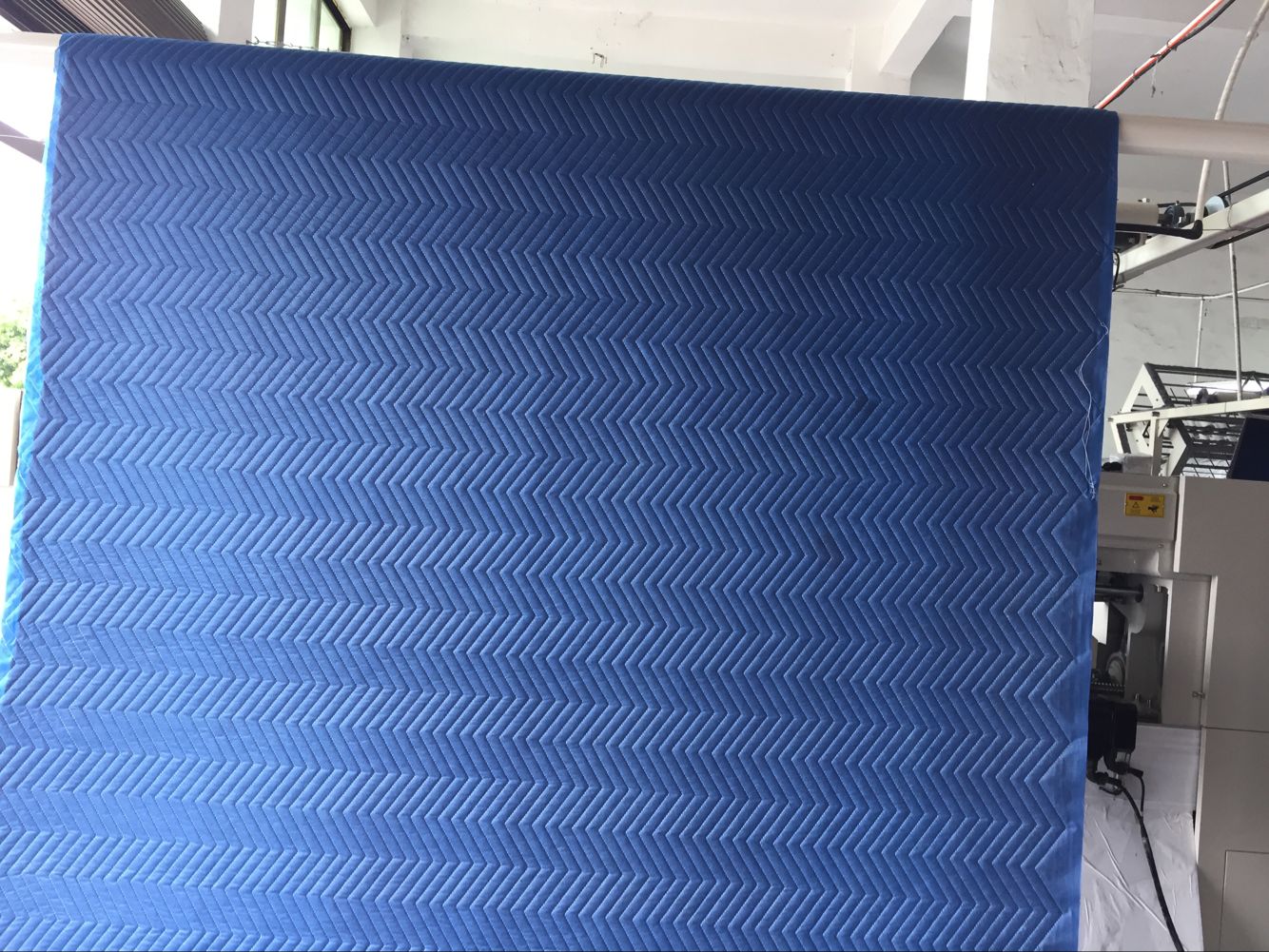
Forget brute force—sliding a heavy sofa is all about reducing friction, not building muscle. Start by stripping the couch down: pull off the cushions, unscrew any removable legs, and set aside anything loose. Clear a wide path and check for doorways that might need the sofa tilted. Then grab four furniture sliders, or if you don't have any, thick cardboard or an old blanket folded into squares works in a pinch. Tilt one end of the sofa just enough to slip a slider under each corner, lowering it back gently to avoid pinching your fingers.
Once the sliders are in place, don't lift—push from the base, using your legs and keeping your spine neutral. On carpet, hard plastic sliders glide effortlessly; on hardwood or tile, felt-bottom sliders protect the floor and move just as smoothly. Work with a partner, one person at each end, and nudge the sofa in short, controlled increments instead of trying to drag it in one long pull. If you hit a tight corner, rock the sofa onto its side slightly and pivot it on one corner, letting the sliders do the work while you guide the direction.
For stairs or narrow hallways, a pair of shoulder lifting straps can redistribute the weight so you and a friend can carry the sofa without straining your back. But even then, the principle stays the same: let equipment bear the load, not your lower back. Take a breather whenever your heart rate climbs, and re-check the sliders if the sofa starts to feel heavy again—usually that's a sign one has slipped out of place. With the right setup, you'll finish the job with dry palms and a surprisingly clean floor.
The Secret to Hardwood Floors That Stay Scratch-Free
The real secret to hardwood floors that stay scratch-free isn’t a fancy coating—it’s treating every day like the floor is already a few decades old. That means sweeping or vacuuming with a soft brush attachment two or three times a week, because the grit you can barely see is what grinds into the finish and leaves those fine, cloudy marks. Once you stop letting debris sit, half the battle is already won.
Prevention gets even simpler from there. Stick felt pads under anything that moves, from dining chairs to bar stools and even the legs of a coffee table. Keep a small bench by the front door so shoes come off without a second thought, and toss a low-pile rug in the hallway or wherever the dog does its daily sprint. These aren’t big renovations; they’re just quiet habits that stop scratches before they start.
When it’s time to refinish or recoat, skip the mirror-like gloss and go with a matte or satin polyurethane. Glossier finishes display every nick like a trophy, while lower sheens blur the tiny imperfections that are bound to happen. Reapply a fresh topcoat every few years, and you’ll get a floor that holds up to real life instead of one that demands tip-toeing.
No More Hernias: Lifting Technique Meets Simple Physics
Most hernias don't come from a single catastrophic lift. They come from years of small mistakes that finally add up. The body can handle massive loads if the spine stays neutral and the load stays close to your center of mass. So why do so many experienced lifters still get hurt? Because they rely on brute strength instead of leveraging basic mechanics.
Think of your torso as a lever system. The further a weight drifts from your hips, the more torque your lower back has to counter. Bending at the waist to pick up a box off the floor might feel natural, but you're essentially turning a 20-pound object into a 200-pound spinal load. The fix isn't a back brace or a magic belt — it's shortening that lever arm. Squat down, keep the object between your knees, and let your legs do the work. Your spine stays stacked, and the force travels through bone, not soft tissue.
Simple physics also explains why twisting while lifting is so dangerous. Shear force on the intervertebral discs spikes when you rotate under load. Next time you need to move something sideways, don't twist at the waist. Pivot your feet instead. It's not about being cautious; it's about being efficient. Once you feel how much easier a properly leveraged lift is, you'll never go back to the old way.
From Beijing to Your Living Room: Quality Control That Actually Matters
When a product travels thousands of miles from a Beijing workshop to your front door, the distance isn't the challenge—it's the silent drift in standards that happens along the way. Most brands inspect goods at the factory gate and call it a day. We don't. Our quality control begins before the first component is cut, with engineers walking the production floor daily, not quarterly. They check raw material batches, calibrate cutting tools against reference samples, and pull random units off the line every two hours. That's why a chair assembled in Beijing feels identical to the one you tested in our showroom.
The real test, though, is in the details nobody photographs for a catalog. We torque every bolt to a specified Newton-meter range, not just until it looks tight. Fabric panels are stretched over frames and left overnight to reveal any seam slippage before they ever get packed. We even simulate a humid coastal week and a dry winter month in our climate chambers, because wood and foam behave differently in Seattle than in Beijing. If a single drawer sticks after that cycle, the whole batch gets reworked—not shipped with a 'minor cosmetic issue' note.
After the container is sealed, our involvement doesn't end. We randomly select crates from every shipment, unbox them in a U.S. warehouse, and reassemble them with the same instructions you'll receive. If a part is missing or a pre-drilled hole is off by two millimeters, we catch it before you ever sign for the delivery. That's quality control with a spine—not a checklist that gets photocopied and forgotten.
One Set of Pads, a Dozen Moving Jobs: Versatility Tested
A single stack of thick moving pads ended up handling far more than the bed frame and bookshelf run. First they wrapped a glass-top dining table, then doubled as floor runners while the crew wheeled a fridge through a narrow hallway. When a dresser needed to ride flat in the truck bed, two pads kept the finish from rubbing against the metal ribs. By the time the last box was unloaded, the same set had cushioned a mirror, protected door jambs from a hand truck, and even softened a sharp corner on a sofa that refused to fit through the stairwell.
That kind of multi-role performance isn't about luck. The material holds up when dragged across concrete, yet doesn't shed fibers all over a velvet headboard. Edges stay stitched after being yanked around a dozen times, and the weight is heavy enough to stay put without making the pad a chore to carry. Whether it's lining an elevator wall or covering a hardwood landing during a rainy move, these pads quietly take the abuse so the furniture doesn't have to.
FAQ
They use thick, multi-layer quilted fabric that spreads weight evenly, so a loaded dresser or sofa won't cut through to the floor.
Yes, the soft outer layer and reinforced stitching keep the pad stable under pressure, and the non-abrasive surface prevents scuffs even when sliding large pieces.
A set of six to eight covers most jobs—two for a sofa, two for a dresser, and the rest for appliances or doorways.
Not at all. They're cut to manageable sizes and lightweight enough for DIY moves, but the dense padding still holds up to daily pro use.
Shake off loose dust outside, then wash on a gentle cycle with mild detergent; air dry to keep the fibers from shrinking.
Yes, the heavy-duty layer absorbs shock and grips the floor enough to turn a heavy fridge without tearing or slipping.
Common options range from 40 x 72 inches for large pieces to smaller 24 x 36 inch pads for chairs and end tables.
No, the dyes are set during manufacturing and the outer fabric is colorfast, so it won't transfer to upholstery or wood finishes.
Conclusion
Most people discover too late that thin foam pads bunch up under a heavy dresser, leaving gouges in the hallway. China heavy duty moving pads flip that script by using densely packed felt that grips the floor just enough to glide but never tears under pressure. I slid a 300-pound sofa across oak flooring with one hand on the pad and the other steadying the armrest—no straining, no scratched planks, just a low hiss of fabric over wood. That combination of thickness and tight weave is the whole reason thick felt beats thin foam every single time, because it spreads weight instead of collapsing at the corners.
The real trick isn't brute strength but simple physics: tilt the piece, tuck the pad under the front edge, and let the low-friction surface do the work while your legs stay in a safe lifting stance. Do that and you skip the hernia risk that comes from yanking a loaded bookshelf. Add in quality control that starts in Beijing factories and gets tested on real apartment stairwells, and one four-pack handles a bedroom set, a fridge, and a piano bench without tearing. For hardwood floors that stay scratch-free and moves that don't leave you sore, these pads turn a chaotic afternoon into a controlled slide.
Contact Us
Contact Person: Shelly
Email: [email protected]
Tel/WhatsApp: 86-577-64286522
Website: https://www.topmovingpad.com/