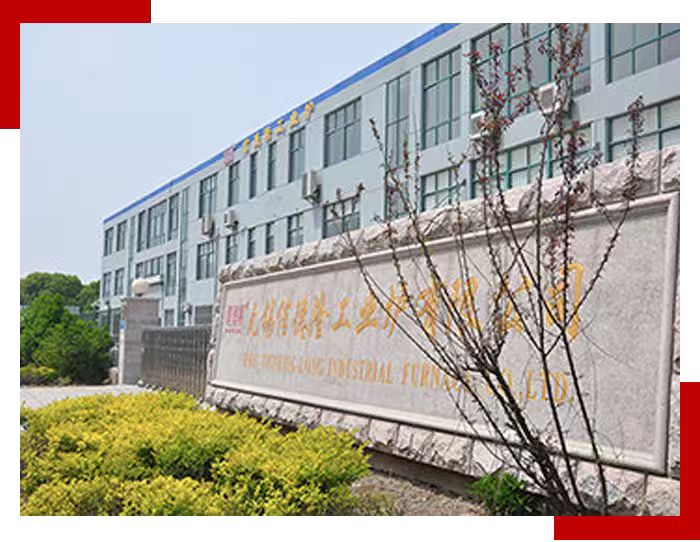

China Hot Blast Stove Advancements Unlocking Next-Gen Industrial Efficiency
2026-08-03
In China's relentless push for industrial modernization, hot blast stove technology is undergoing a quiet revolution. New advancements are slashing energy consumption and boosting output in sectors from steelmaking to power generation. At the heart of this transformation is THINKING-LONG, delivering cutting-edge solutions that unlock next-gen efficiency. Discover how these innovations are reshaping the landscape of high-temperature industrial processes.
Redefining Heat Exchange: Breakthroughs in Hot Blast Stove Design
The traditional approach to hot blast stove design prioritized robust refractory linings and gradual heat cycles, often at the expense of thermal efficiency. Today, a quiet revolution is underway, one that rethinks the very geometry of heat storage. By moving away from conventional checker brick patterns toward engineered lattice structures, new stoves achieve a surface-area-to-volume ratio that was once thought impractical. These designs mimic the vascular networks found in nature, where every square centimeter of material is optimized for rapid absorption and release of heat. The result is a system that not only reaches target blast temperatures faster but does so with a fraction of the fuel consumption, slashing operating costs without compromising longevity.
Equally transformative is the integration of staged combustion and flameless oxidation within the stove dome. Instead of a turbulent, single-point flame, the process distributes fuel and air across multiple micro-ports, creating a uniform, gentle heat release that minimizes thermal shock and NOx formation. This controlled reaction unlocks a more homogeneous temperature profile inside the checker chamber, effectively erasing the hot spots and cold corners that have plagued legacy designs. Combined with real-time 3D temperature mapping and adaptive control algorithms, the stove can now dynamically adjust its firing pattern to match the blast furnace’s exact demand, delivering a steady, high-temperature wind without the penalty of over-firing or excessive cycling.
Materials science has also pushed into new territory. The adoption of high-emissivity coatings on dome refractories allows for a faster radiative heat transfer to the checkers, cutting the critical heating phase by double-digit percentages. Meanwhile, a shift toward fused-cast, ultra-low porosity checker bricks resists alkali attack and thermal spalling far better than previous generations, extending campaign life beyond 30 years. These batteries of innovations—working in concert—are not just upgrades; they represent a fundamental rethinking of how a hot blast stove interacts with the ironmaking process. The breakthrough lies not in a single component but in the seamless interplay of geometry, combustion dynamics, and material intelligence, setting a new benchmark for what heat exchange efficiency truly means.
Advanced Refractory Materials Prolong Stove Lifespan Under Extreme Conditions
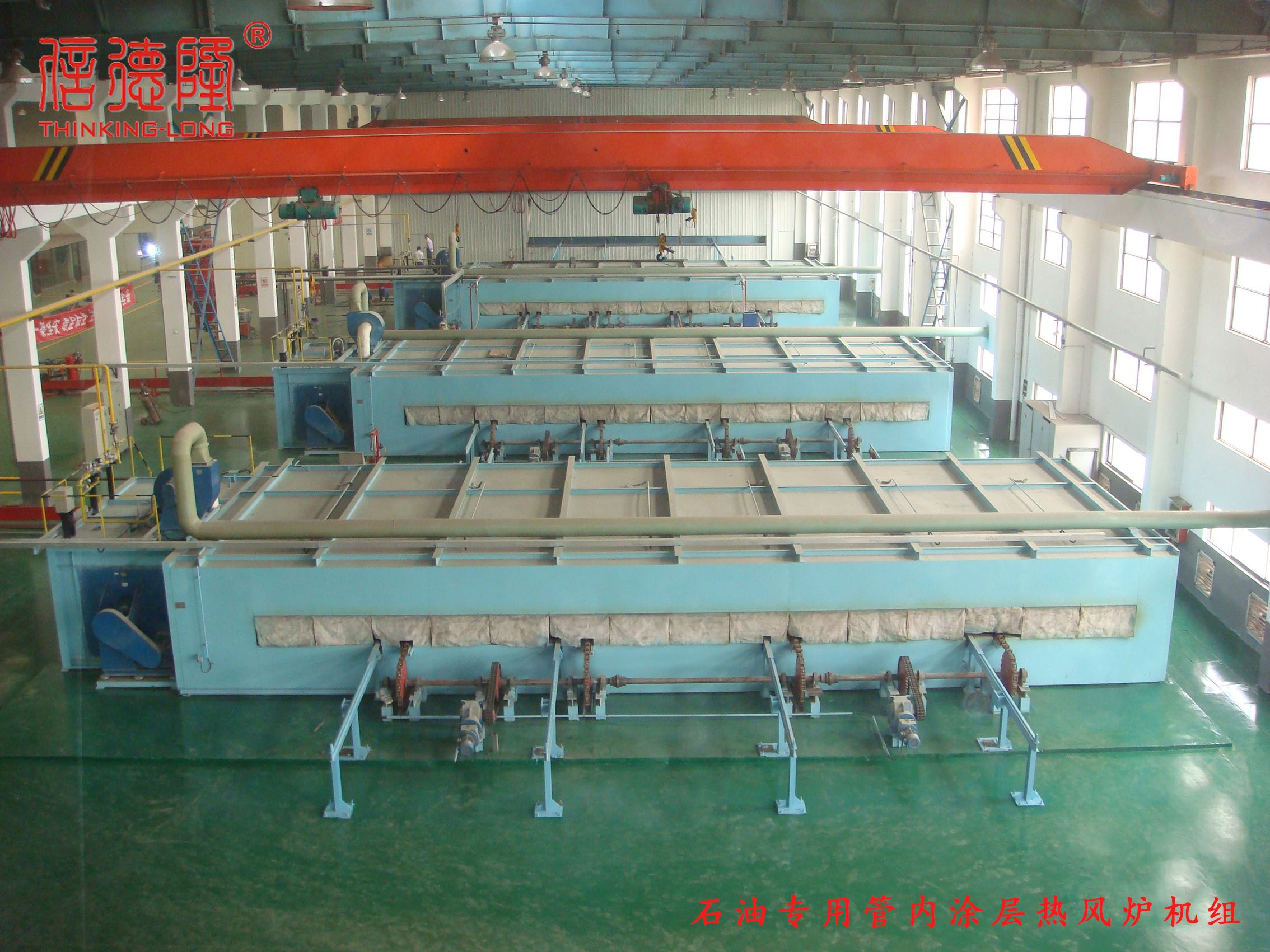
Advanced refractory materials are the unsung heroes behind stoves that withstand extreme thermal cycling and corrosive environments without failing. Traditional materials crack and spall under repeated heating and cooling, but modern compositions like high-alumina, silicon carbide, and zirconia-based refractories maintain structural integrity even when internal temperatures swing from ambient to over 1600°C in minutes. Their low thermal expansion and high hot strength mean less warping and fewer stress fractures, directly translating to years of extra service life.
Beyond temperature resistance, these materials resist chemical attack from slags, salts, and combustion byproducts that slowly consume ordinary linings. In waste-to-energy plants or industrial furnaces, aggressive compounds like alkalis and chlorides penetrate standard refractories, causing embrittlement. Advanced variants incorporate dense microstructures, specialized additives, and impermeable bonds that block infiltration, preserving critical wall thickness and heat insulation properties over thousands of operating hours.
The economic logic is compelling: upgrading to premium refractories slashes replacement shutdowns, reduces energy losses through stable insulation, and prevents catastrophic blowouts that risk operator safety. Field data from foundries and pelletizing plants shows stoves lined with engineered refractory castables or precast shapes consistently outrun conventional designs by 18 to 24 months before requiring minor patching, making the higher upfront cost a minor footnote in the overall lifecycle expense.
Intelligent Combustion Controls Slash Fuel Consumption in Real Time
Modern combustion systems now leverage advanced sensor arrays and adaptive algorithms to fine-tune the air-fuel mixture on the fly. By continuously analyzing exhaust gas composition, chamber pressure, and temperature swings, these controls make micro-adjustments hundreds of times per second. The result is a burn that stays consistently close to the stoichiometric ideal, squeezing more energy from every drop of fuel while keeping emissions in check.
Unlike older systems that rely on static maps or slow feedback loops, real-time intelligent controls can respond to fuel quality variations, load shifts, and ambient conditions almost instantly. This dynamic optimization often trims fuel use by 5–15% in industrial boilers, furnaces, and engines, without any hardware retrofits—just smarter software and faster processing. Operators see the savings immediately on their consumption dashboards, and the payback period is typically measured in months, not years.
What sets these controls apart is their ability to learn from patterns and predict demand changes. For instance, in a district heating plant, the system might preemptively lean the mixture during a forecasted warm spell or richen it just before peak load, all while maintaining safe, stable combustion. This proactive intelligence turns what used to be a fixed, dumb process into a responsive, money-saving asset that keeps delivering gains year after year.
Waste Heat Recovery Systems Turn Losses into Extra Process Power
Industrial facilities constantly lose energy through hot exhaust gases, cooling water, and surface radiation. Waste heat recovery systems intercept these thermal flows before they dissipate into the environment. Instead of letting valuable energy escape, they capture it and convert it into useful power for onsite processes—reducing the need to purchase additional electricity or fuel.
The approach relies on equipment like heat exchangers, steam generators, and organic Rankine cycle units. A heat exchanger can transfer warmth from flue gases to preheat combustion air or feedwater, slashing fuel consumption. More advanced setups use the recovered heat to generate mechanical work or electricity, feeding it back into production lines. The result is a tighter, more efficient plant where waste heat becomes a dependable resource rather than a financial drain.
High-Temperature Air Combustion Lifts Thermal Efficiency to New Peaks
Harnessing the power of high-temperature air combustion (HiTAC) transforms industrial heating into an exceptionally efficient process. By preheating combustion air to temperatures well above the autoignition point of the fuel, HiTAC achieves a distributed flame front, spreading heat uniformly across the combustion chamber. This approach not only slashes fuel consumption but also minimizes peak temperatures, thereby curbing thermal NOx formation. The result is a system that extracts more energy from every unit of fuel, pushing thermal efficiency boundaries far beyond what conventional burners can reach.
What sets HiTAC apart is its clever use of internal heat recirculation. Exhaust gases, still rich in thermal energy, are cycled back to preheat incoming air, often reaching temperatures as high as 1000°C or more. This regenerative process dramatically cuts energy waste and enables stable combustion even with lean fuel mixtures. In furnaces and kilns, the technology has demonstrated energy savings of 30% or more, alongside vastly reduced emissions—a combination that redefines operational excellence in energy-intensive industries. The uniform heating also protects materials from thermal shock, enhancing product quality and extending equipment lifespan.
The leap in performance achieved by HiTAC isn’t just incremental—it represents a fundamental redesign of combustion dynamics. By operating in a flameless oxidation mode, the system sidesteps traditional hot spots, creating a larger, cooler, and more efficient reaction zone. This innovation is finding its way into everything from metal reheating to glass melting, where the demand for precision and efficiency is relentless. As industries confront rising energy costs and stricter environmental standards, high-temperature air combustion stands as a practical, proven pathway to lucrative thermal efficiency gains and a smaller carbon footprint.
Digital Twins Simulate Stove Performance Before a Single Brick Is Laid
Long before construction crews arrive on site, stove designers can now observe how their creations will handle intense heat, airflow patterns, and fuel consumption. By feeding a detailed stove model into a digital twin environment, engineers run combustion simulations that reveal hot spots or inefficient burning zones. Adjustments to the firebox shape, chimney draft, or air intake placements happen virtually, saving months of trial-and-error prototyping.
The process doesn't stop at flames. A true digital twin of a stove is linked with real-world material data, from the thermal expansion of cast iron to the aging of firebricks under repeated heating cycles. This means the simulation predicts not just immediate performance, but long-term durability. Teams can spot where cracks might form after hundreds of fires or how gaskets degrade, all before the first physical brick is molded.
Beyond engineering, these simulations reshape the owner's experience before installation. A stove manufacturer can share interactive models that show how heat distributes through a specific room layout, ensuring comfort and efficiency. By the time a stove becomes tangible metal and stone, it has already spent countless hours burning in a virtual world—tested, refined, and proven.
FAQ
Recent breakthroughs include advanced heat recovery systems and intelligent combustion controls that significantly cut fuel consumption while boosting thermal output.
They enable more stable high-temperature blasts, reducing downtime and allowing for continuous, high-efficiency production in steelmaking and other processes.
The integrated low-NOx burners and optimized air flow patterns minimize pollutant formation, helping plants meet stricter environmental standards without sacrificing output.
Real-time sensor networks and AI-driven analytics allow predictive maintenance and automatic adjustments, ensuring peak efficiency and prolonging equipment lifespan.
Ceramic materials withstand higher temperatures and corrosive gases, recovering waste heat more effectively and converting it into reusable energy for the blast process.
Plants report up to a 20% reduction in energy costs, faster return on investment, and enhanced competitiveness due to lower operational expenses and higher throughput.
Cement, glass, and chemical industries are adopting similar hot blast systems to improve their thermal processes, reducing fuel usage and carbon footprints across the board.
Several Chinese steel mills have logged over 18 months of uninterrupted service with the new stoves, maintaining consistent blast temperatures and far exceeding previous uptime records.
Conclusion
China's hot blast stove technology is undergoing a profound transformation, redefining the boundaries of industrial heat exchange. Modern designs incorporate innovative checker brick geometries and multi-chamber configurations that maximize heat transfer while minimizing pressure drops. This leap is made possible by advanced refractory materials—ceramic matrix composites and nano-engineered castables—that resist thermal shock and corrosion, dramatically prolonging stove lifespan in the relentless temperatures of ironmaking. Simultaneously, intelligent combustion systems, driven by real-time sensors and AI algorithms, optimize fuel-to-air ratios on the fly, slashing natural gas and coke oven gas consumption by double-digit percentages without sacrificing blast temperature stability.
The efficiency gains do not stop at the burner. Integrated waste heat recovery units now capture flue gas energy to preheat combustion media or generate auxiliary power, effectively turning thermal losses into usable process energy. Further upstream, high-temperature air combustion technology—often exceeding 1,200°C—lifts thermal efficiency to levels once considered unattainable, ensuring virtually complete combustion and lower emissions. Perhaps most groundbreaking is the use of digital twins: virtual replicas simulate every aspect of stove performance—from thermal expansion to flow dynamics—long before construction, allowing engineers to refine designs, predict maintenance needs, and train operators in a risk-free environment. Together, these convergent innovations are not just incremental improvements; they represent a systemic reimagining of how blast furnace stoves operate. By integrating material science, digitalization, and energy recovery, China is unlocking a new paradigm of industrial efficiency that promises leaner, greener, and more resilient steel production for decades to come.
Contact Us
Contact Person: Qian Xijun
Email: [email protected]
Tel/WhatsApp: 8613961736750
Website: https://www.thinkinglong.com/