

Custom Cheese Sauce Recipe for a Rich, Velvety Finishing Touch
2026-11-16
Some sauces simply sit on a plate; this one clings to every bite. If your homemade cheese sauce has ever turned out gritty, flat, or forgettable, the fix usually comes down to a few small choices—and a flavor base that actually pulls its weight. With a little guidance and HONGBURG FLAVORMAKER in your corner, you can turn basic pantry staples into the kind of rich, velvety finish that makes people ask what you did differently.
Warm the Liquid First, Then Melt the Cheese Into It
Most people throw cold milk straight into a hot pan and wonder why their sauce turns grainy. The trick is to gently warm whatever liquid you're using—milk, cream, beer, even a splash of stock—before the cheese ever touches it. Bring it to a bare simmer, not a boil, then cut the heat. A too-hot base will cause the cheese proteins to seize up and split, leaving you with an oily, stringy mess. Warm liquid gives the cheese a forgiving place to melt slowly and evenly.
Once the liquid is warm and off the flame, start adding your cheese in small handfuls. Use a whisk and keep the mixture moving in one direction. Don't dump everything in at once; let each addition disappear before the next goes in. If the pan feels too cool, give it a brief pass over the lowest possible heat, but never walk away. The cheese should melt into the warm liquid like cream dissolving into coffee, not like plastic stretching under a heat gun.
This order matters more than the type of cheese you choose. Aged cheddar, Gruyère, fontina, even a crumbly blue—all behave better when they meet a warm bath rather than a scorching pan. If you do end up with a few lumps, an immersion blender can rescue it, but starting with warm liquid usually means you won't need one. It's a small habit that turns a quick cheese sauce into something silky enough to pour over vegetables, pasta, or a pile of tortilla chips without regret.
Cheese Choices That Stay Pourable Instead of Gritty
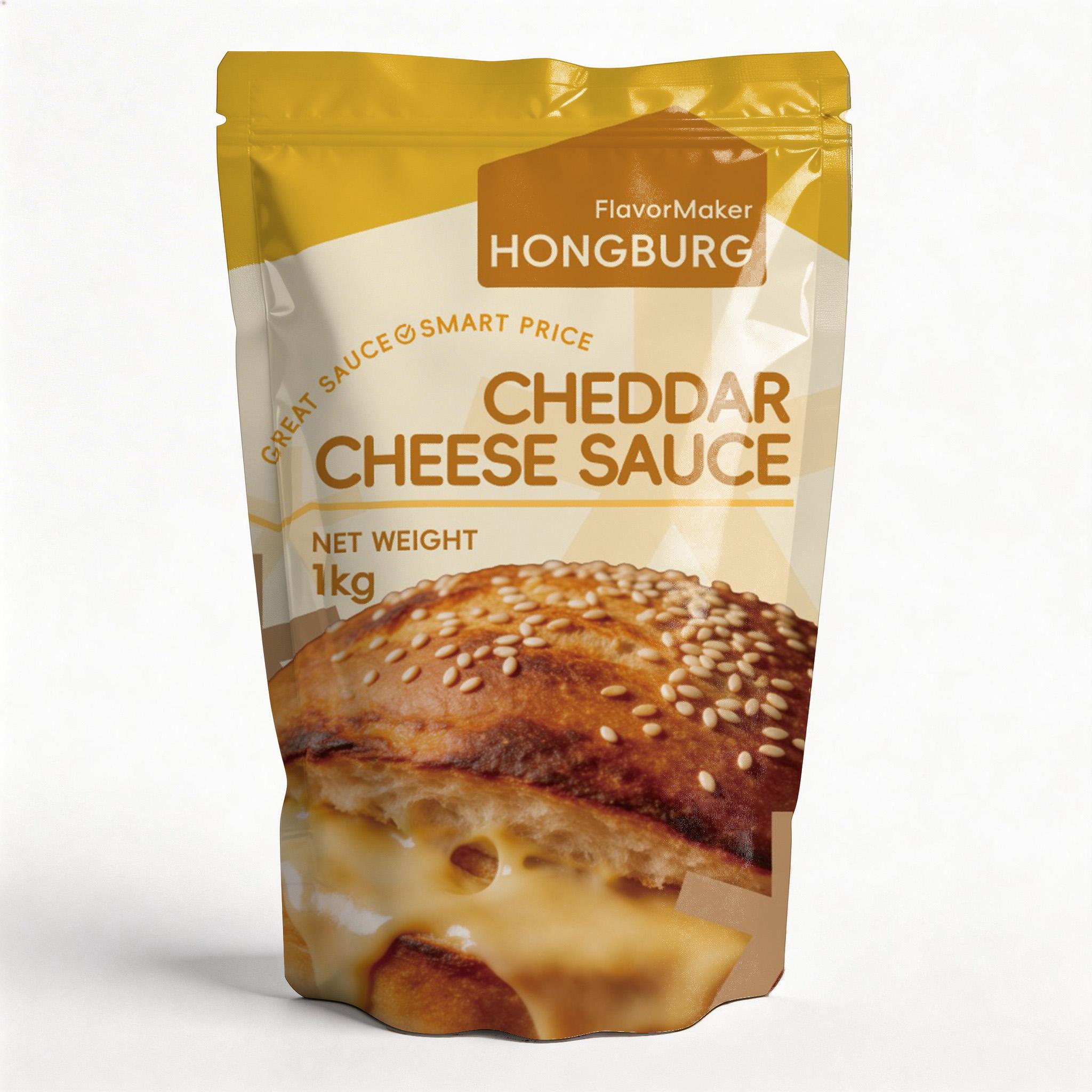
If you've ever ended up with a gritty, separated mess instead of a silky cheese sauce, the culprit is usually the type of cheese you started with. Hard aged cheeses like Parmesan or extra-sharp cheddar may pack bold flavor, but their low moisture content makes them prone to clumping the moment heat hits them. The real stars for a smooth, pourable finish are young, high-moisture cheeses—think cream cheese, mascarpone, or a soft American-style melting cheese. These melt evenly because their protein structures haven't had time to tighten up, and they carry plenty of water to keep everything loose.
Another overlooked hero is sodium citrate, but if you'd rather stick to whole ingredients, reach for cheeses with built-in stability. A mild cheddar blocks labeled "young" or "mild" (usually aged under six months) will melt far more gracefully than their extra-sharp siblings. Fontina, Gruyère, and raclette also earn their spot in the pourable hall of fame—they're naturally elastic and creamy without turning grainy when you add a splash of warm milk or cream. Avoid pre-shredded bags unless you've checked the ingredient list; those anti-caking powders can sabotage texture before you even start stirring.
Temperature control matters just as much as your cheese pick. Keep the heat low and gentle, remove the pan from the burner before adding the cheese, and stir in small handfuls instead of dumping everything at once. If you're building a sauce from scratch, a roux made with equal parts butter and flour gives the melted cheese something to grip onto, preventing that sudden protein snap that leads to sand-like grains. The payoff is a glossy, liquid stream that pools over pasta or roasted vegetables rather than sitting there like a lumpy paste.
Stir, Watch, Repeat to Keep the Heat Low and Steady
Low, steady heat does not reward distraction. The moment you turn away, a thin layer of sauce can catch at the bottom of the pan and turn everything faintly scorched. Keep the spoon moving in slow passes across the base and around the edges, where heat concentrates. You are not just mixing; you are constantly redistributing temperature so no single spot gets ahead of the rest. Watch the surface change from loose to gently bubbling, and let that rhythm tell you when to ease off or move the pan slightly off the burner.
Repetition here is not mindless. Each pass of the spatula gives you a small update: the drag feels heavier as liquid evaporates, the color deepens by a shade, tiny bubbles become lazier and larger. Pay attention to what repeats, because that is where the transformation hides. A steady hand and a patient eye let starches swell gradually and proteins set without seizing, producing a texture that cannot be rushed over high heat.
If you find the pace tedious, narrow your focus to the edges of the pan and the trail left by the spoon. Scrape the bottom clean with each stroke, watch how quickly the trail closes, and adjust the heat before the mixture thickens too fast. A low flame is not a single setting; it is a conversation between your hand, the pan, and the food. Keep that conversation going and the result will be smooth, glossy, and evenly cooked all the way through.
Small Flavor Boosters That Don't Dull the Sauce
A spoonful of white miso folded into a simmering tomato sauce won't thin it, but it softens the acidity and adds a quiet savoriness that makes the sauce taste as though it spent an extra hour on the stove. Oil-packed anchovies, chopped until they melt into the background, do the same work without announcing themselves. A pinch of porcini powder shaken into a pan sauce brings an earthy, almost meaty depth, and because it's dry, the texture stays exactly where you want it.
Crisp-fried shallots or garlic in oil give a sauce a toasty allium lift at the last second, adding crunch and aroma without loosening the body. Grated cured egg yolk scattered over a creamy pasta sauce acts like a savory finishing salt. Off the heat, orange or lime zest brightens heavy braises and dairy-based sauces, while a spoonful of the oil from a jar of fermented chiles delivers heat and tang with no added water. These small additions work inside the sauce rather than competing with it.
Fixing a Sauce That Breaks, Thickens, or Turns Oily
A broken sauce usually looks worse than it is. Pull the pan off the heat and drop in a small splash of cold water, stock, or lemon juice while whisking steadily. If that does not bring it back, whisk in a tiny spoon of Dijon mustard or an extra egg yolk, then slowly drizzle in a little fat. The goal is to force the separated liquid and fat to re-form an emulsion, so keep the heat gentle once it comes together.
When a sauce has tightened into a paste or a sludge, thin it gradually rather than drowning it. Warm broth, water, wine, or cream works, but add only a spoonful at a time and stir between additions. If lumps still refuse to dissolve, push the sauce through a fine sieve and return it to low heat. Over-thickened sauces often recover better this way than by boiling them down again.
An oily surface means the emulsion has started to collapse, often from too much heat or fat added too fast. Move the pan off the burner and whisk in a small pat of cold butter, a few drops of water, or a dab of mustard to coax the fat back in. If the sauce has already split badly, pour off the excess oil first, then repair the remaining base with a splash of liquid and steady whisking. You will not always get a perfectly silky result, but you can usually save the dish.
Drizzling, Smothering, and Other Ways to Finish a Plate
A drizzle can feel like an afterthought, but it often pulls the whole dish into focus. Whether it is a thread of peppery olive oil over a bean stew or a slow ribbon of tahini across roasted carrots, the movement matters as much as the amount. The goal is not to coat everything evenly but to leave small pockets where one bite tastes bright and the next stays plainer, letting the main ingredients breathe.
Smothering is a different kind of finish, less precise and more generous. A blanket of caramelized onions, a ladle of rich gravy, or a spoonful of whipped ricotta can turn a simple plate into something that feels considered and complete. Here the sauce is not a garnish; it becomes part of the structure, soaking into grains or pooling under vegetables so that every forkful carries some of that softness.
There are quieter ways to end a plate too. A scattering of toasted seeds for crunch, a few torn herbs added at the last second, a squeeze of lemon across something heavy. These small gestures do not announce themselves the way a sauce does, but they shift the texture and lift the flavor, giving the dish a finished quality without forcing every ingredient into the same register.
FAQ
Start with a cheese that loves to melt, like young cheddar, fontina, or Gruyère, then add a smaller amount of something sharper such as aged cheddar or Parmesan for depth. Stay away from pre-shredded cheese; the anti-caking coating often leaves the sauce grainy.
High heat is usually the culprit. Once the cheese goes in, take the pan off the heat or keep it very low, and stir in small handfuls rather than dumping everything at once. If it begins to separate, a splash of cream or a tiny bit of lemon juice can sometimes bring it back.
It can be made ahead. Cool it with plastic wrap pressed directly against the surface and refrigerate. When you are ready, reheat it low and slow with a splash of milk or cream while whisking. The texture will still be creamy, though not quite as silky as fresh.
Add small amounts of mustard powder, smoked paprika, cayenne, or a dash of Worcestershire sauce and taste as you go. For a more aromatic base, warm the milk with a garlic clove or bay leaf first, then strain it out before making the sauce.
Whisk constantly while adding warm milk to the roux and let it cook briefly so the flour taste disappears. Then remove the pan from the heat before melting in the cheese. A spoon of cream cheese or evaporated milk can add extra silkiness, and a fine-mesh strainer catches any stray lumps.
It works far beyond pasta. Spoon it over roasted broccoli, baked potatoes, nachos, soft pretzels, or steamed cauliflower. Thin it slightly with beer or cider for a dipping sauce, or pour it over eggs and toast.
Yes. Replace the flour roux with a cornstarch slurry by whisking cornstarch into cold milk before heating, or use a little cream cheese and heavy cream reduced gently. It may be a touch thinner, so let it stand a minute before serving to thicken.
Conclusion
Getting a cheese sauce to feel rich without turning gritty or heavy comes down to a few quiet habits. Warm the milk or cream over low heat before you add any cheese, then scatter in small handfuls of freshly grated cheese so each addition disappears evenly. Cheeses like fontina, young gouda, or a good melting cheddar stay more pourable than aged, crumbly varieties, and grating your own block avoids the starch coatings that can make the sauce pasty. Keep the heat low and steady, stirring in slow circles, and pull the pan off the burner the moment the last shreds melt. That pause between too cool and too hot is where the velvet texture lives.
Small flavor boosts keep the sauce bright without masking the dairy: a splash of dry white wine, a spoonful of mustard, a pinch of smoked paprika, or a few drops of lemon juice can lift the whole batch. If the sauce splits or looks oily, take it off the heat and whisk in a tablespoon of cold milk or a little cold butter until it comes back together; if it thickens too much, loosen it with warm liquid a splash at a time. Use it while it is warm—drizzle over roasted broccoli, spoon across a burger, or blanket pasta just before serving so the finish feels intentional rather than heavy.
Contact Us
Contact Person: Peter Song
Email: [email protected]
Tel/WhatsApp: +86 18920189778
Website: https://www.hongburg.com