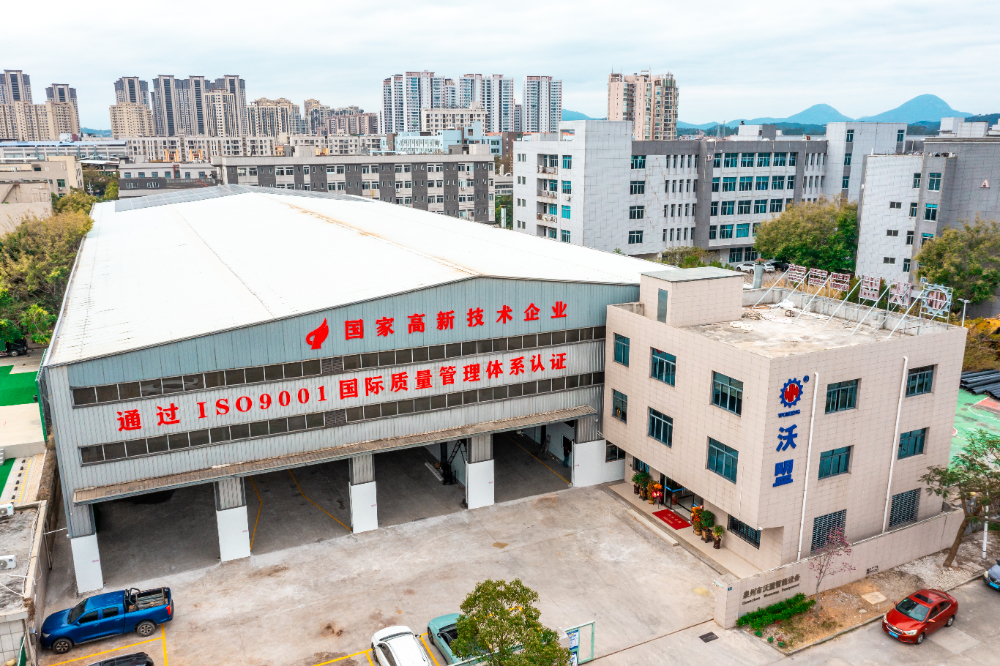

Customized Sanitary Pad Machinery: Revolutionizing Feminine Hygiene Production
2026-03-07
In the evolving landscape of feminine hygiene, innovation is not just a trend—it's a necessity. Customized sanitary pad machinery is at the forefront of this transformation, reshaping how products are designed and produced to meet diverse needs with precision and efficiency. At Womeng, we are pioneering this revolution, blending cutting-edge technology with a deep understanding of women's wellness. Dive into how these advancements are setting new standards in production, empowering brands to create tailored solutions that elevate comfort and confidence. Curious about the future of hygiene manufacturing? Discover more about our approach at Womeng, where every detail matters.
Innovative Design in Sanitary Pad Machinery
The journey of sanitary pad machinery design has evolved from basic automation to sophisticated systems that integrate precision engineering with user-centric innovation. Modern machines now incorporate features like real-time monitoring sensors that ensure consistent product quality, adaptive speed controls to handle various materials seamlessly, and modular components that simplify maintenance and upgrades. These advancements not only boost production efficiency but also minimize waste, making the manufacturing process more sustainable and cost-effective.
In recent years, a key focus has been on enhancing hygiene and safety through designs that minimize human contact. For instance, some machinery now includes automated packaging lines that reduce contamination risks, while others use advanced disinfection systems during production. Additionally, ergonomic interfaces and intuitive controls have been introduced to improve operator comfort and reduce errors, allowing for smoother operations even in high-volume settings. This human-centered approach ensures that the equipment is not only functional but also practical for everyday use in factories.
Looking ahead, innovations are pushing boundaries with smart technologies like AI-driven predictive maintenance and IoT connectivity, enabling remote diagnostics and real-time adjustments. Such designs anticipate potential issues before they arise, reducing downtime and extending machinery lifespan. By blending cutting-edge tech with robust engineering, these machines are setting new standards in the industry, offering superior performance and reliability that cater to the growing global demand for high-quality sanitary products.
Enhancing Production Efficiency with Automation
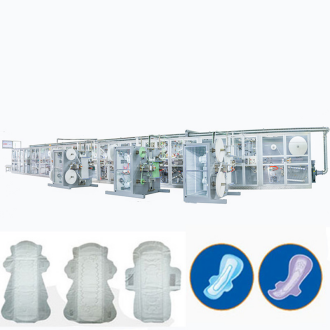
Automation isn't just about robots on assembly lines; it's a transformative approach that streamlines workflows and minimizes human error. By integrating automated systems, businesses can handle repetitive tasks more consistently and at a faster pace, freeing up employees to focus on strategic initiatives that drive innovation. This shift not only reduces downtime and material waste but also leads to a more agile production environment capable of responding swiftly to market changes.
Customizing automation tools to fit specific operational needs can yield impressive results. Instead of a one-size-fits-all solution, tailored software and hardware work in harmony to optimize processes. This means monitoring production in real-time, predicting maintenance needs before breakdowns occur, and adjusting outputs based on demand. Such precision enhances overall throughput while maintaining high-quality standards, giving companies a competitive edge.
Looking beyond immediate gains, automation fosters long-term sustainability and growth. It enables scalable operations that can expand without proportional increases in labor costs, supporting eco-friendly practices through energy-efficient systems. By empowering teams with advanced tools, organizations create a culture of efficiency where continuous improvement becomes the norm, leading to higher job satisfaction and lasting benefits.
Sustainability Features in Modern Pad Manufacturing
In recent years, modern pad manufacturing has embraced sustainability by integrating eco-friendly materials such as bamboo, organic cotton, and recycled fibers into their production lines. These materials not only reduce the environmental footprint but also offer superior comfort and durability, appealing to environmentally conscious consumers who prioritize both quality and ethical sourcing.
Beyond material choices, manufacturers are adopting energy-efficient technologies and water-saving processes in their facilities. This shift minimizes waste and lowers carbon emissions, aligning with global efforts to combat climate change while enhancing operational efficiency and cost savings over the long term.
Additionally, innovative designs focus on product longevity and recyclability, encouraging a circular economy where pads can be repurposed or decomposed responsibly, further reducing landfill contributions and fostering a more sustainable industry overall.
Custom Solutions for Diverse Feminine Hygiene Products
In the evolving landscape of feminine care, one-size-fits-all approaches are increasingly falling short for women with unique needs or preferences. From varied lifestyles to specific health considerations, the demand for tailored hygiene solutions is on the rise. Whether it's eco-friendly options for the environmentally conscious, hypoallergenic products for sensitive skin, or designs that accommodate active routines, custom solutions empower women to prioritize both comfort and personal values in their daily wellness routines.
Imagine a scenario where menstrual products adapt seamlessly to individual flow patterns or postpartum recovery items are crafted with input from healthcare providers—these innovations reflect a shift toward more responsive and empathetic design. By integrating feedback from diverse user groups, companies can develop products that not only meet basic hygiene standards but also enhance quality of life, fostering a sense of confidence and inclusion in an often overlooked market segment.
Beyond functionality, custom solutions open doors to creative collaborations, such as partnerships with artists for unique packaging or subscriptions that adjust deliveries based on menstrual cycles. This approach not only addresses practical needs but also celebrates individuality, making feminine hygiene a more personalized and engaging experience that resonates deeply with modern consumers seeking authenticity and control over their health choices.
Quality Control and Safety Standards in Production
Implementing quality control and safety standards in production isn't just about ticking boxes on a checklist—it's about building a culture of excellence that permeates every stage of the manufacturing process. By integrating rigorous testing protocols and real-time monitoring systems, businesses can detect potential issues before they escalate, ensuring that each product not only meets but exceeds customer expectations. This proactive approach minimizes waste, reduces downtime, and fosters trust among stakeholders, ultimately driving long-term success in competitive markets.
What truly sets apart effective standards is their adaptability to evolving industry demands and technological advancements. Instead of relying on static guidelines, forward-thinking companies continuously refine their procedures based on data-driven insights and employee feedback. For instance, incorporating automated sensors and AI-powered analytics allows for more precise defect detection, while regular safety drills and tailored training programs empower workers to navigate hazards confidently. This dynamic framework not only enhances product reliability but also cultivates a safer, more engaged workforce.
Beyond compliance, embedding these principles into the core of production operations can unlock innovative solutions that differentiate a brand. By prioritizing sustainability and ethical practices—such as using eco-friendly materials or ensuring fair labor conditions—organizations demonstrate a commitment to broader social responsibility. This holistic perspective not only mitigates risks like recalls or legal penalties but also resonates with increasingly conscious consumers, turning quality and safety into powerful drivers of brand loyalty and market leadership.
Future Trends in Feminine Hygiene Machinery
Innovations in feminine hygiene machinery are increasingly focusing on sustainability and personalization. Manufacturers are exploring biodegradable materials and energy-efficient production processes to reduce environmental impact, while smart technologies like IoT connectivity allow for real-time monitoring of machine performance and predictive maintenance. This shift not only enhances product reliability but also aligns with growing consumer demand for eco-friendly and tech-integrated solutions.
Another key trend involves the integration of advanced automation and AI to improve hygiene and user experience. Machines are being designed with touchless operation, using sensors and robotics to minimize cross-contamination, which is crucial in settings like public restrooms. AI algorithms help optimize supply chain logistics, ensuring timely restocking of products while reducing waste, making the systems more efficient and responsive to user needs.
Looking ahead, we'll see more emphasis on modular and adaptable designs that cater to diverse cultural and regional preferences. As markets globalize, machinery must be versatile enough to handle various product types and regulatory standards. This adaptability, combined with a focus on user-centric features like quieter operation and aesthetic appeal, will drive the next wave of innovation, making feminine hygiene machinery not just a necessity but a seamless part of daily life.
FAQ
Customized machinery allows manufacturers to tailor production processes to specific materials, sizes, and absorbency levels, enabling innovative product designs that meet diverse consumer needs beyond one-size-fits-all solutions.
By optimizing material usage and reducing waste through precise cutting and assembly, it supports eco-friendly practices like incorporating biodegradable materials and minimizing energy consumption during manufacturing.
Yes, modular and scalable options are available, making it accessible for startups and SMEs to invest in cost-effective, automated systems that grow with their production demands.
Advanced sensors detect defects in real-time, while automated hygiene controls, such as sterile environments and minimal human contact, prevent contamination and ensure consistent, high-standard outputs.
Tailored setups streamline workflows by eliminating unnecessary steps, often increasing output rates by up to 30% while maintaining flexibility to switch between product lines without major downtime.
It enables the creation of pads with unique shapes, textures, and materials—like breathable fabrics or ergonomic designs—directly addressing comfort issues and driving market trends.
Operators typically undergo hands-on training covering machine programming, maintenance basics, and troubleshooting, with ongoing support from manufacturers to adapt to new features and updates.
They are designed with upgradable software and compliant components, allowing easy adjustments to meet evolving safety, environmental, and quality standards without full equipment replacement.
Conclusion
The evolution of sanitary pad machinery through innovative design is transforming feminine hygiene production, enabling manufacturers to create highly customized and efficient solutions. By integrating advanced technologies and automation, these systems enhance production efficiency significantly, allowing for faster throughput with minimal human intervention. This shift not only meets growing global demand but also supports the development of diverse products tailored to various consumer needs, from different absorbency levels to specialized shapes and materials. The emphasis on sustainability features in modern manufacturing further reduces environmental impact by utilizing eco-friendly materials and energy-efficient processes, aligning with increasing consumer preferences for green products.
Quality control and safety standards are paramount in this revolution, ensuring that every product meets stringent regulatory and health requirements while maintaining consistency. Looking ahead, future trends in feminine hygiene machinery point toward even greater customization and smart technologies, such as IoT integration and AI-driven optimization, which promise to further refine production capabilities. These advancements collectively redefine the industry, making it more responsive, sustainable, and innovative, ultimately revolutionizing how feminine hygiene products are produced and consumed worldwide.
Contact Us
Contact Person: Jessie Lai
Email: [email protected]
Tel/WhatsApp: 86-188594442931
Website: https://www.wm-machinery.com