
Equestrian Leggings Factory Secrets to High-Performance Riding Apparel
2026-07-28
Have you ever wondered what separates a basic pair of riding tights from high-performance equestrian leggings that actually enhance your ride? The difference isn’t just in the stretch—it’s in the factory-level secrets that most brands never share. From cutting-edge compression mapping to seamless abrasion panels, the real magic happens behind the scenes. At OpeEquestrian, we’ve dug deep into textile innovation and production precision to bring you gear that works as hard as you do. In this post, we’re unlocking the insider knowledge on what makes riding apparel truly elite. Prepare to see your leggings in a whole new light.
Fabric Fusion That Keeps You Glued to the Saddle
Riders know the struggle of slipping mid-ride—it’s distracting, uncomfortable, and downright unsafe. That’s where our fabric fusion steps in, merging grip and give in a way that feels intuitive. The seat panel uses a specially textured weave that subtly locks you in place without restricting movement. Whether you’re posting the trot or navigating a technical trail, your body stays anchored, letting your legs work in harmony with the horse rather than fighting for stability.
What sets this design apart is how it balances stickiness with breathability. Unlike tacky silicone prints that can feel hot and stiff, our fusion fabric integrates micro-grip zones directly into the weave. These zones are nearly invisible but create just the right amount of friction where you need it most—inner knees, seat bones, and down the thigh. The result? A secure seat that doesn’t compromise on air flow, so you stay cool even during intense rides. It’s a silent partner in the saddle, doing its job without announcing itself.
We tested dozens of prototypes across disciplines, from dressage to endurance, to perfect this blend. The feedback was unanimous: this fabric redefines connection. It’s not about locking down your position; it’s about giving you the confidence to move with your horse fluidly, knowing the tack won’t slip. After miles of sweat, dust, and rain, the grip remains reliable—no peeling, no loss of performance. Just a quiet assurance that you’re exactly where you need to be, ride after ride.
Stitching Patterns Riders Swear By for Long Hours
Long hours in the saddle demand more than just a well-padded seat—the way your gear is stitched together can make or break your comfort. Riders who spend entire days on the road know that certain stitching patterns prevent chafing, enhance flexibility, and hold up under constant friction. Flatlock seams, for instance, sit completely flat against the skin, eliminating the raised ridges that dig into your hips and shoulders after mile two hundred. Meanwhile, triple-stitched reinforced seams in high-stress zones stop premature blowouts without adding bulk. It’s the difference between finishing a ride fresh and feeling every seam by noon.
Another pattern trusted by endurance riders is the zigzag stretch stitch, often found in panels that need to move with the body. Unlike straight lockstitches, which can snap when fabric pulls tight, zigzag stitches allow the textile to flex without ripping. You’ll find this in the lower back and knee areas of riding pants, where constant bending tests the integrity of every thread. For leather gear, many swear by the diamond or box stitch at stress points like pocket corners and zipper ends—its geometric distribution of tension prevents tears from spreading. These details rarely get mentioned in product descriptions, but they’re what separates everyday gear from the stuff you reach for on a cross-country haul.
Then there’s the role of thread choice and stitch density in long-term durability. Thick, bonded nylon thread with a tight stitch count (typically 7–9 stitches per inch) resists abrasion far better than the standard polyester alternatives. Some riders go as far as checking the inside of a jacket or pant before buying, looking for clean, even stitching without loose ends or skipped stitches—a sign the piece was assembled with care, not rushed through production. Combined with flat-felled seams that hide raw edges and add a second row of stitching, these patterns create a shell that handles hours of wind, vibration, and movement without coming apart. It’s a quiet kind of engineering, but once you’ve experienced it, you’ll never settle for less.
The Lowdown on Grip Tech Without Bulk
Grip tech used to mean adding a chunky rubber sleeve or a thick wrap that changed how your gear felt in the hand. It worked, sort of, but you were swapping one problem for another—sure, you got traction, but at the cost of portability and original form factor. Nobody wants a phone case that feels like a brick or a tool handle that no longer fits in its holster.
The shift toward minimal bulk grip solutions comes down to material science getting smarter. Micro-textured polymers, laser-etched patterns, and high-friction coatings now do more with less. You get a surface that bites into your skin just enough to prevent slips, without a layer thick enough to notice. Some even use capillary channels that wick moisture away, keeping the contact dry even when your hands aren’t.
What you actually get day-to-day is a more confident hold that doesn’t fatigue your hand. There’s no need to squeeze harder to compensate for a slippery surface, and the device or tool still slides in and out of pockets or mounts like it was designed to. It’s the kind of upgrade you stop thinking about after five minutes because it just works—and that’s the whole point.
Why Some Leggings Breathe Like a Second Skin
Ever slid into a pair of leggings and felt like you were wearing nothing at all? That’s not magic — it’s fabric engineering. Premium leggings achieve a second-skin feel by blending ultra-fine yarns with high elastane content, creating a barely-there sensation that moves with you. The secret lies in the knit structure: circular knitting machines produce a seamless, tubular weave that reduces friction and allows four-way stretch. This means the fabric expands and contracts evenly in all directions, mirroring your body’s movements without restriction. Unlike stiff cotton blends, these materials wick moisture away from the surface almost instantly, so you stay dry even during high-intensity sessions.
But breathability isn’t just about moisture-wicking. It’s also about letting air circulate directly through the fibers. Advanced leggings incorporate micro-perforations or open-knit panels in high-sweat zones like behind the knees or along the lower back. These tiny vents work like a mesh screen, releasing heat while still providing coverage. Some brands use phase-change materials that absorb body heat and then release it when you cool down, actively regulating your temperature. The result? You get the support of a compression garment without that suffocating, plastic-wrap feeling.
Inside the Wear-Testing Gauntlet Before They Hit Shelves
Long before a shoe earns its spot on the display wall, it endures a relentless battery of simulations designed to break it. Prototypes are strapped to mechanical legs that stomp thousands of times on pavement, gravel, and gym floors, cramming months of real-world abuse into days. Materials flex and fray under UV lamps and humidity chambers, while treads are ground against abrasive surfaces until the rubber shows its limits.
The real brutality, however, happens on human feet. A diverse crew of testers—runners, hikers, warehouse workers—put miles on unmarked samples, logging every scuff, hot spot, and loose stitch. Their feedback shapes subtle tweaks: a reinforced heel counter here, a reshaped toe cap there. Some versions never make it past this stage, quietly shelved when the data screams that comfort or durability simply isn’t there.
By the time a shoe passes this gauntlet, it’s not just survived—it’s been sculpted by the wear. The final product carries the scars of that process, engineered to handle the mundane and the extreme alike, so that all you notice is how naturally it moves with you.
Custom Tweaks That Turn Basics Into Your Secret Weapon
When basics feel boring, it’s rarely the piece itself that’s the problem—it’s the lack of personal spin. A slightly cropped hem, a rolled cuff held by a vintage pin, or a tonal stitch that nobody else notices can transform a plain tee into a statement of intent. These tiny adjustments don’t shout, but they quietly reframe how you see yourself in the mirror—and how others perceive your effortless edge.
The secret isn’t in owning more; it’s in intervening just enough to make an item feel irreplaceable. Swapping standard buttons for something with weight and texture, adding a hidden interior pocket, or even adjusting the drape of a jacket with a subtle tailor can turn a generic purchase into the one thing you reach for every morning. These are the moves that create a wardrobe—or a skillset—that works only for you.
Most people chase trends, assuming novelty will give them an advantage. But those who customize quietly build an arsenal of basics that outperform anything off the rack. A perfectly tweaked tool, a writing style with a peculiar rhythm, a presentation template stripped of clutter—these become signatures. When everyone else is using the same starting points, your small, deliberate modifications become the reason you stand out without trying too hard.
FAQ
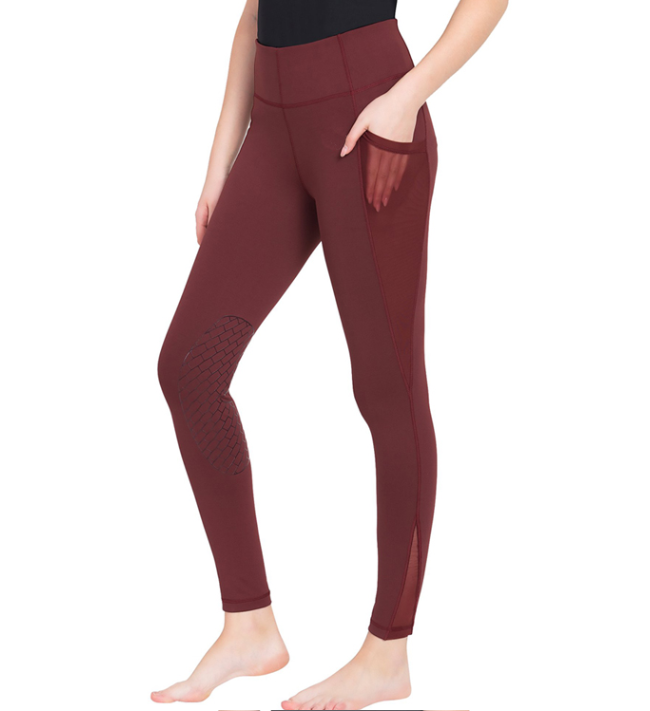
It comes down to fabric engineering and fit. Riding-specific leggings use compressive, abrasion-resistant materials that move with you in the saddle, often with a higher waistband and silicone grip patterns to keep everything in place during posting trots or tight turns.
It's usually a silicone print or patch on the inner knee and seat. The trick is in the density and pattern—too much and you can't adjust your position, too little and you're sliding. Factories experiment with hexagonal or wave-like designs to find that sweet spot of stick without restriction.
They can be, if done right. Seamless knitting reduces chafing and allows for targeted compression zones. But a well-placed flatlock seam can be just as comfortable. It's less about the absence of seams and more about how the garment maps pressure points and sweat zones.
They run Martindale abrasion tests and often field-test with riders over months. The real secret is in the yarn blend—nylon for strength, elastane for stretch, and sometimes a bit of polyester for moisture-wicking. The ratio and twist level of the yarns determine whether it pills or stays smooth after hundreds of rides.
That all 'performance' fabrics breathe the same. In reality, wicking depends on fiber cross-sections and knit structure. A dense knit for durability can trap heat, so factories might use a bi-layered design: a durable outer face and a mesh-like inner face that pulls sweat away without snagging on boot zippers.
You're paying for the R&D behind that invisible grip panel, the import of high-tenacity yarns, and labor-intensive processes like laser-cutting silicone or bonding seams without bulky stitching. Small batch production and exacting quality control also hike the price, but many riders find the zero-distraction feel worth it.
Surprisingly, yes. Recycled nylon can be just as tough as virgin, and plant-based dyes sometimes penetrate fibers more deeply for better colorfastness. Some mills have switched to waterless dyeing that also creates a more consistent finish, so the legging keeps its compression level and look even after countless washes and muddy trail rides.
Conclusion
Inside the walls of a dedicated equestrian leggings factory, the difference between ordinary activewear and high-performance riding gear comes down to obsessive material engineering. Blends of technical fabrics with strategically oriented stretch panels create a stable seat that helps riders stay glued to the saddle without restricting movement. The secret lies in the fusion of compressive microfibers and breathable mesh zones, which wick moisture fast enough to keep skin dry through intense training. Flatlock stitching patterns are used throughout high-friction areas to eliminate chafing during long hours in the saddle, while reinforced seams follow the natural motion of the rider’s body so nothing digs or pulls. These details aren't style choices—they're shaped by direct feedback from professionals who live in the saddle.
The grip technology that riders rely on is built directly into the fabric rather than added as a bulky silicone print, maintaining a sleek, second-skin feel. Thin, laser-cut silicone patterns are bonded to the inner knee and seat zones, offering essential stick without stiffness. Behind this are ventilation strategies that use body-mapped mesh inserts to dump heat exactly where a rider builds it, so the leggings breathe like a genuine second skin. No pair leaves the factory without surviving a brutal wear-testing gauntlet—hours of simulated riding, sweat chamber checks, and abrasion trials that expose every weak point. Custom tweaks then turn a solid base design into a rider’s secret weapon, from adjusting rise heights to dialing in pocket placement, so the final product feels invisible until it’s time to perform.
Contact Us
Contact Person: Keven Tong
Email: [email protected]
Tel/WhatsApp: +86 18666477707
Website: https://www.ope-technology.com