
Mixer Truck Washing Machine Services That Keep Your Fleet Spotless
2026-08-13
Keeping your fleet spotless isn't just about appearances — it's the difference between a mixer truck that lasts and one that breaks down early. But washing these giants by hand eats time, water, and patience. That's where Sinou steps in with mixer truck washing machine services built for real job sites. Let's explore how the right machinery can cut downtime, protect your trucks, and keep every concrete pour running clean.
The Dirty Truth About Mixer Truck Residue
Leftover concrete in a mixer truck drum is not just a minor inconvenience—it’s a costly, time-consuming problem that most fleet managers underestimate. Every minute that hardened residue builds up on the inner walls and blades, the truck’s mixing efficiency drops. The extra weight and reduced capacity mean more trips, more fuel, and more wear on the drum’s drive system. Worse, the rough, caked-on layers trap moisture and create pockets where fresh concrete can’t blend evenly, leading to inconsistent slump and weaker finished pours. Drivers often shrug it off, assuming a quick rinse will handle it, but by then the residue has already started to set like a rock.
The real surprise is how quickly small chunks of old concrete break loose and contaminate a new batch. These hardened fragments, sometimes called “cannonballs,” roll around inside the drum and can jam the discharge chute or slap against the fins, denting them over time. A single leftover lump the size of a fist can ruin a load meant for a precise structural pour, forcing the whole batch to be rejected on site. Cleaning out that residue properly means more than spraying water from the top; it often requires manual chipping, acid washes, or even jackhammering in severe cases—each step eating into labor hours and delaying the next job. Ignoring it only makes the next cleanup harder, because the old concrete bonds chemically with the new cement paste.
Beyond the immediate mechanical faults, mixer truck residue quietly steals money from your bottom line. A drum that isn’t fully clean holds back a measurable amount of aggregate and cement powder every cycle. Over a week of pours, that wasted material adds up to hundreds of pounds of raw ingredients that never make it into a finished product. Fuel economy takes a hit too, since the truck hauls dead weight up and down hills. And when residue finally builds enough to require a full drum reconditioning or blade replacement, the repair bill and downtime can dwarf what a five-minute washout would have cost in the first place. The dirty truth is that mixer truck residue isn’t just a cleanup chore—it’s a silent profit killer that compounds with every load.
No More Scraping: How Automated Washing Handles the Hardest Jobs
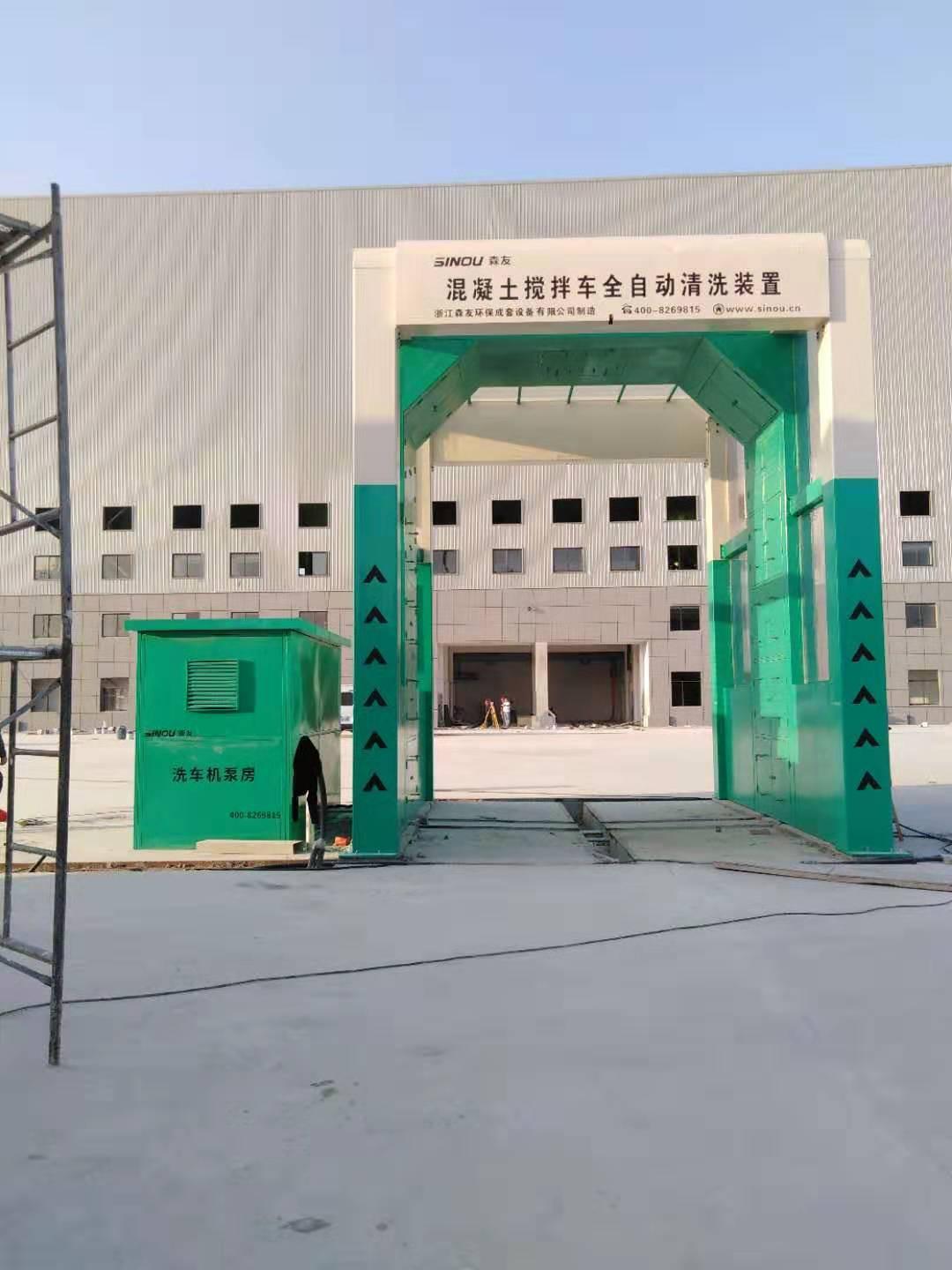
Oven racks caked with carbon, exhaust filters sticky with months of grease, wheel wells coated in road salt and mud—these are the jobs that eat up a Saturday and still look half-finished. Automated washing systems were built for exactly this kind of grime. Instead of relying on elbow grease and repeated passes with a scraper, they use precisely directed high-pressure jets, controlled temperatures, and specialized cleaning agents to break down buildup that manual scrubbing rarely touches. The result is less time on your knees with a wire brush and more time doing something else.
What really changes the equation is repeatability. A person gets tired, misses corners, or rushes through the last few minutes. An automated wash doesn't. It follows the same path every cycle, holding the right nozzle angle and dwell time on the worst spots until the residue releases. That consistency matters most on thick, baked-on deposits where half-cleaned surfaces just bake the remaining film into something even harder next time.
There's also a safety angle that rarely gets mentioned. Many of the hardest scraping jobs involve sharp edges, hot surfaces, or caustic cleaners used at close range. Automated systems keep hands out of the equation, reducing the chance of a slip, burn, or chemical splash while still delivering a deeper clean than most people would manage by hand.
Water Savings That Don't Leave Grime Behind
Many low-flow fixtures trade cleaning power for a smaller water bill, leaving behind that stubborn film on dishes or a faint ring in the sink. Not here. Our nozzle design narrows the spray into a high-velocity sheet that uses significantly less water per minute, yet still lifts dried-on food and soap scum with a single pass. You get the rinse you expect without turning the tap to full blast.
The secret lies in a pressure-compensating aerator that pulls air into every drop. This keeps the stream dense enough to carry away grease and grit, rather than just misting the surface. You'll notice the difference on glassware—no more cloudy spots or streaks that force a second wash. That's water savings that actually clean, not just slow down the mess.
Compared to standard faucets, this approach can cut usage by up to 40 percent while cutting your scrubbing time in half. Dried oatmeal on a bowl, coffee stains in a mug, even the oily residue from a lunch container—everything slides off the first time. Less water down the drain, less elbow grease on your end, and no trade-off hiding in the fine print.
From Last Pour to Clean Drum in Under 20 Minutes
Most drum cleaning jobs drag on because the residue has time to set, turning a simple rinse into a scrubbing marathon. The trick is to start while the drum is still warm from the last pour—heat keeps viscosity low and prevents the leftover material from hardening into a stubborn film. Grab a long-handled brush and a solvent matched to what was inside, then work in overlapping strokes from the rim down. You won't need to wait for soaking cycles or go back over the same areas multiple times.
Draining is where people waste minutes without realizing it. Instead of tipping the drum and hoping gravity does the work, use a small siphon pump or a compressed air wand to push the remaining liquid toward the bung opening in one controlled pass. Follow with a quick blast of clean solvent through the interior walls, then let the drum sit inverted on a drip rack for ninety seconds. That's enough time for the run-off to collect, and you can vacuum it out rather than toweling dry.
The final wipe-down should be fast and deliberate—two or three lint-free rags, one for the upper third, one for the middle, one for the bottom seam. If you've kept the solvent moving and didn't let the residue sit, the drum comes clean without abrasive pads or repeat rinses. Watch the clock: from the moment you finish pouring to the moment you set the clean drum aside, the whole process can stay under twenty minutes with no shortcuts and no waiting around.
Protecting Your Investment with Every Wash Cycle
Washing machines are more than just appliances—they handle some of the most delicate fabrics in your home. Every cycle, unseen residues from detergent, fabric softener, and hard water can build up inside the drum and hoses. This buildup isn't just a cosmetic issue; over time it can dull colors, weaken fibers, and even lead to musty odors that transfer to your clothes. By treating your washer with a dedicated cleaning routine, you're not just maintaining the machine—you're actively extending the life of every garment that passes through it.
Think of each wash as a small investment in your wardrobe. A neglected machine forces you to wash items more often or at higher temperatures, which accelerates wear and tear. Conversely, a clean washer means shorter cycle times, lower water usage, and gentler agitation. That translates into fewer trips to the store for replacements and more seasons of wear from your favorite pieces. The math is simple: a little maintenance now prevents a lot of costly damage later.
Beyond the obvious savings, there's a quiet satisfaction in knowing your machine is working at its best. No more guessing whether that lingering smell is from the drum or the laundry itself. No more rewashing loads that just don't come out fresh. When you protect the washer, you protect everything inside it—and that's a return on investment you can feel every time you fold a load.
Fleet Cleanliness as a Competitive Advantage
A spotless fleet does more than turn heads on the highway—it quietly shifts customer perception before the first handshake. When your vehicles roll in with gleaming exteriors and clean interiors, clients read it as a signal of operational discipline. Dirt, grime, or faded branding suggests corners are cut elsewhere, while a well-kept truck or van signals reliability, attention to detail, and pride in service. In industries where trust is the currency, that visual cue can tip a contract in your favor without a single word spoken.
There’s also a practical side that competitors often overlook: clean vehicles last longer and cost less to maintain. Road salt, brake dust, and industrial fallout quietly eat away at paint, chassis, and undercarriage components. A consistent washing schedule isn’t just cosmetic—it prevents corrosion, preserves resale value, and reduces the frequency of unscheduled repairs. Fleets that treat cleanliness as routine maintenance see fewer breakdowns and longer service intervals, which directly protects the bottom line. That reliability becomes a selling point you can actually quantify in proposals and client reviews.
Beyond the balance sheet, a clean fleet shapes driver behavior and company culture. Operators who step into a spotless cab each morning tend to keep it that way—they report pre-trip inspections more thoroughly, drive with more care, and represent the brand more professionally at loading docks and job sites. It creates a quiet standard that ripples through the organization. When competitors treat vehicle appearance as an afterthought, your consistently clean fleet stands out as a deliberate choice: a visible commitment to excellence that customers notice, remember, and reward with loyalty.
FAQ
They combine high-pressure water jets and rotating spray heads that reach every corner of the drum. For stubborn buildup, some services use heated water or mild aggregate to break the bond without damaging the steel shell. A good wash cycle leaves the drum walls smooth enough to prevent material from clinging on the next load.
Yes, most setups are adjustable. You can reposition the nozzle arms and alter the drum rotation speed to suit smaller urban mixers or larger semi-trailer units. The operator typically saves presets for each vehicle type, so switching between them takes a couple of minutes rather than a full reconfiguration.
That depends on your operation. A fixed bay gives you a controlled water recycling setup and consistent pressure, while mobile units make sense when your trucks are scattered across job sites and deadheading to a central yard costs too much time. Many fleets run a hybrid: fixed bay for scheduled cleaning, mobile for emergency mud or cement spills.
Enclosed wash bays capture the water, filter out cement fines and aggregates, and then reuse the clean portion for the next cycle. Some machines have closed-loop filtration that recovers over 80% of the water. That reduces both the water bill and the risk of sending alkaline concrete slurry into storm drains.
For a standard drum and chute cleaning, expect around 15 to 25 minutes. If there is heavy concrete buildup around the hopper or the rear discharge area, add another ten minutes with a manual pre-rinse. Most places offer a quick exterior-only pass under ten minutes when you just need road film removed.
Regular washing definitely helps. Cement paste hardens like stone, and every layer left behind reduces the drum's effective capacity and adds dead weight. Keeping the interior smooth also improves mixing efficiency and prevents corrosion from trapped moisture. You will spot hairline cracks earlier when the metal is not buried under old concrete.
Yes, with a few adjustments. Heated water or an antifreeze additive handles the cold drum, and enclosed bays with warm air circulation prevent ice from forming mid-wash. After the cycle, trucks need to be blown dry or kept inside until the drum drains completely so the discharge chute does not freeze shut.
Look for a provider who understands concrete behavior, not just a standard truck wash. They should adjust pressure for sensitive seals and sensors, handle water reclamation properly, and offer custom nozzle setups for your fleet's exact models. Also check their emergency call-out time because fresh residue left overnight becomes a much tougher job by morning.
Conclusion
Leftover concrete inside a mixer drum isn't just a nuisance—it hardens into rock-solid ledges that throw the truck off balance, chew up fuel, and eventually crack the drum from the inside. Manual scraping with jackhammers or chisels is slow, dangerous, and never gets everything. Automated mixer truck washing changes that completely. High-pressure rotating nozzles blast away even the crustiest residue without a worker ever climbing inside. The smart part? These systems recycle and filter water, so you're not trading a clean drum for a massive water bill. Most cycles finish in under 20 minutes from the last pour to a clean, ready-to-load drum, which keeps trucks moving instead of sitting in a wash bay.
Every wash cycle does more than remove grime—it protects the steel drum from chemical corrosion and abrasive wear, extending the life of a six-figure asset. Fleet managers who treat washing as routine maintenance, not an occasional chore, see fewer unexpected repairs and better resale value. There's also a quieter competitive edge: when a ready-mix truck rolls onto a job site spotless, with no drips or crust on the chutes or fenders, it signals precision and care. Clients notice. In a business where schedules are tight and margins are thinner, a consistently clean fleet becomes part of your reputation—and that's an advantage no competitor can easily copy.
Contact Us
Contact Person: HaiYan
Email: [email protected]
Tel/WhatsApp: +86 18957325588
Website: https://www.senyoubeton.com/