

Model 200 Single-Axle Flatbed Trailer: Selecting a Reliable China Supplier
2026-10-27
Importing a Model 200 single-axle flatbed trailer from China sounds easy—until you realize how many suppliers quietly cut corners on steel thickness or axle ratings. The wrong choice doesn't just waste money; it can sideline your operations for months. That's why this guide uses Whole Chain Tech as the benchmark for what a genuinely reliable China supplier must offer before you sign anything.
What a Factory Tour Reveals That Photos Can't
Walking through a factory floor, you catch the low rumble of machinery and the sharp bite of metal dust in the air. Photos freeze a single frame, but they can't carry the heat radiating from the ovens or the subtle rhythm of workers moving in sync. Your hands itch to touch the half-finished components, to feel the weight and texture that no lens can translate.
A guided tour peels back the polished surface shown in brochures. You see where improvisation happens: a bent bracket reused as a guide, a taped label with handwritten notes, the slight hesitation before a worker adjusts a dial. These are the unscripted details that reveal how a product actually comes to life, not just how it looks in a catalog shot.
Perhaps most striking is the human layer. The pride in a supervisor's voice when explaining a tricky weld, the gentle ribbing between coworkers, the tired but focused expression of someone on their third shift. Photos can capture faces, but they miss the exchange of glances and the unspoken understanding that keeps the line moving. That lived texture is why a walk through the plant stays with you long after the images fade.
Steel Grades and Weld Patterns Worth Asking About
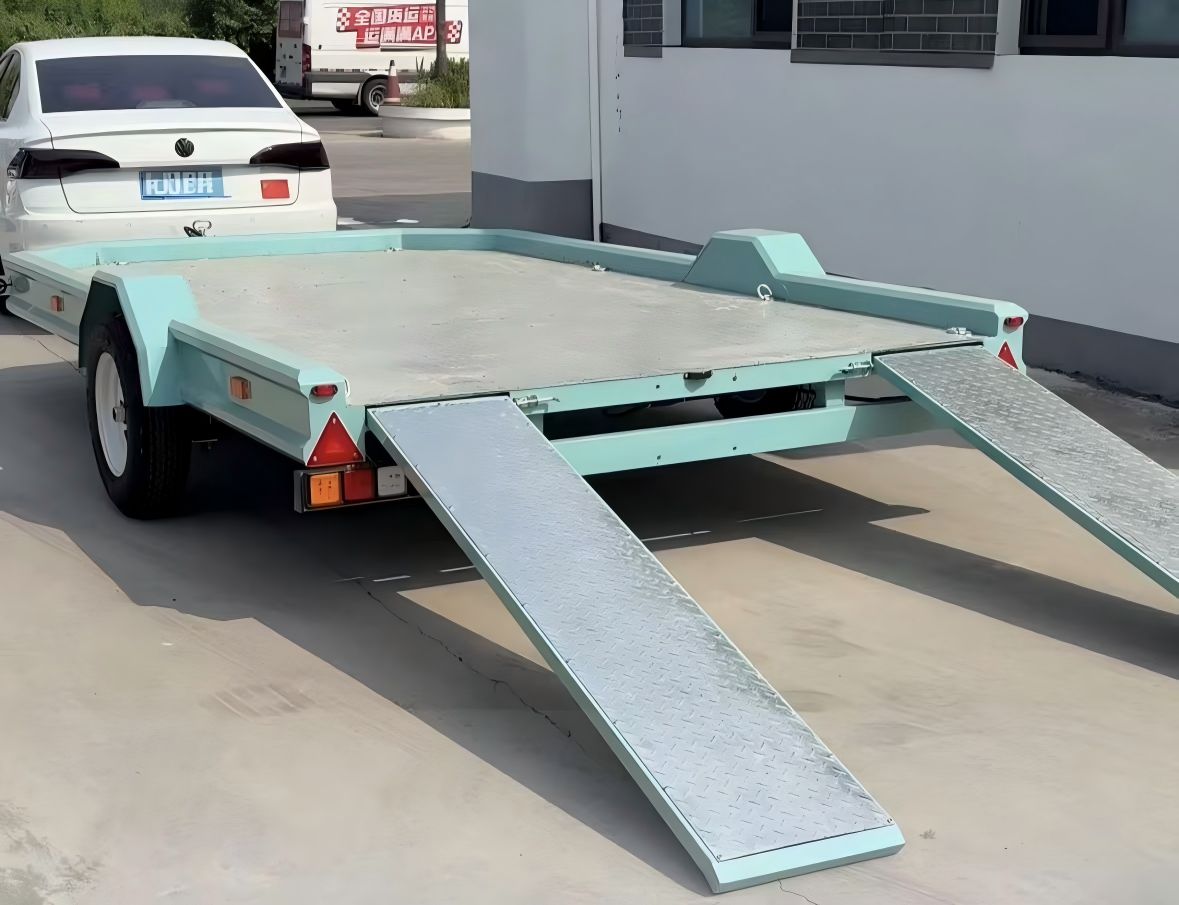
Not all steel grades take a weld the same way. A36 is forgiving and works with standard filler metal, but jump to something like A572 or A514 and you are suddenly dealing with preheat requirements, controlled interpass temperatures, and a real risk of cracking in the heat-affected zone if you ignore them. Even tougher are abrasion-resistant plates such as AR400, where too much heat input can soften the very surface you paid extra to harden. Asking for the actual grade instead of just accepting structural steel as a catch-all term saves a lot of rework later.
Weld patterns matter just as much as filler choice. A continuous fillet weld distributes load evenly, but it also pulls more and can distort thin sections. Intermittent or stitch welds cut distortion and cost, yet they are only suitable for non-critical or lightly loaded joints. Full-penetration groove welds are the default for joints that see tension or fatigue, while plug and slot welds work well for overlapping plates where access is limited. The sequence also counts—backstep or skip welding can keep a long seam from bowing.
The questions are simple but often skipped: What is the exact grade on the mill certificate? Does this joint need full penetration or will a fillet do? Is there a weld procedure specification, and does it cover preheat or post-weld heat treatment? Getting clear answers up front keeps the quote honest and the finished part free of cracks, excessive distortion, or a heat-affected zone that fails early. A few minutes of asking beats a costly field repair.
Matching Axle Ratings and Deck Coatings to Your Haul
Choosing the right axle rating isn't just about the maximum weight on paper. A trailer that frequently hauls dense, concentrated loads like steel coils or heavy machinery will put far more stress on the axle spindles and bearings than a trailer carrying evenly distributed pallets of consumer goods. If you push an axle near its limit day after day, even if you technically stay under the gross rating, you'll see premature wear on hubs, brakes, and springs. The smart move is to build in a buffer: if your typical load sits at 7,000 pounds per axle, spec axles rated for 8,000 or even 9,000 pounds. That extra margin keeps components running cooler and extends the service intervals, which matters more to your bottom line than a slightly lower upfront cost.
Deck coatings are often treated as an afterthought, but the wrong surface can turn a simple loading job into a safety hazard. For hauling scrap metal or demolition debris, a thick polyurea or high-build epoxy coating resists gouges and keeps rust from creeping under the surface. But if you're running a flatbed for lumber or drywall, a smoother, lower-friction coating makes sliding cargo easier and reduces the risk of snagging. Consider how often your trailer sits in wet conditions too. A coating with good anti-slip properties might be great for a step deck that workers walk on, but it can make forklift wheels chatter and wear faster. Match the texture and chemical resistance to the actual cargo profile, not just the trailer's paint color.
The real trick is seeing axles and deck coatings as parts of a single system. A lightweight trailer with heavy-duty axles and a tough, high-grip coating might be perfect for a landscaper hauling skid steers and gravel, but overkill for a hotshot driver moving empty pallets. Start with your most common load, then ask what will make that load easier to secure, transport, and unload. If your cargo shifts frequently, focus on deck friction and tie-down points. If your routes include rough gravel or potholed city streets, prioritize axle durability and suspension travel. When these two elements work together, you spend less time fighting the equipment and more time getting the job done.
Loading, Lashing, and Shipping the Trailer Without Damage
Getting a trailer from one place to another without a scratch starts well before it rolls onto the carrier. Walk around the unit and note every contact point that could rub, shift, or dig in during transit. Wheel chocks need to be snug against the tires, but not so tight that they bite into the rubber. Use soft loops around axles or frame rails rather than hooking chains straight onto painted surfaces. A little time spent here saves a lot of touch-up work later.
Once the trailer is on the deck, lashing is about balance as much as tension. Crisscrossing straps front and rear keeps the load from walking sideways on rough pavement, while a pair of belly straps over the frame stops vertical bounce. Tighten everything in stages, not all at once, so the trailer settles evenly onto its own suspension. Leave just enough give in the suspension to absorb road shock—ratcheting it down solid can bend spring hangers or crack welds over a long haul.
During the trip, expect things to settle. A good driver will re-check strap tension after the first fifty miles and again after any hard braking or rough section of road. When unloading, reverse the process slowly: loosen opposite corners together so the trailer doesn't lurch sideways as pressure comes off. A few extra minutes of patience at the destination keeps the trailer looking like it never left the yard.
Support After the Sale: How Fast Should a Supplier Reply?
A buyer’s memory of a supplier rarely hinges on the product alone. When something breaks or a question comes up after payment, the clock starts ticking—and a reply that takes three days can erase months of goodwill. Yet many suppliers still treat post-sale queries as low priority, routing them to a shared inbox that nobody checks after lunch. The real issue isn't just response time; it's the silence that leaves customers guessing whether they've been forgotten.
For non-urgent issues, aiming for a same-day or next-business-day reply keeps frustration from building. Urgent problems—like a faulty batch or a missing part—deserve a response within a couple of hours, even if it's only to say 'we're on it.' Trading speed for a thoughtless canned answer doesn't help, though. A short, specific note that names the order, acknowledges the issue, and sets a clear next step will outperform a generic auto-reply every time.
Where the Real Price Differences Hide in Model 200 Quotes
Most buyers compare Model 200 quotes by staring at the headline number, but that's rarely where the actual cost gap lives. Two suppliers can list nearly identical base prices, yet one invoice arrives thousands higher after freight, handling, and minimum order surcharges get buried in the fine print. The real spread often shows up in line items that never make it into the initial PDF—things like calibration certificates, crating for oversized components, or expedited engineering support that one vendor includes and the other treats as an add-on.
Another quiet source of divergence is lead time and payment terms. A quote that looks cheaper upfront can become expensive when the stated delivery window slips from four weeks to nine, forcing you to run costly overtime or hold buffer inventory. Similarly, a vendor offering net-60 terms with no early payment discount effectively charges you more than a competitor who priced 3% higher but allows net-30 with a 2% cash discount. These conditions rarely sit in the same table as the unit cost, so comparing only the bottom line misses the point.
Warranty scope and spare parts pricing also hide in plain sight. One Model 200 quote might include a five-year extended warranty with onsite labor, while another quotes only a twelve-month return-to-base coverage. The difference can be worth 15–20% of the machine's value over its service life. Before you sign, ask each supplier to break out exactly what happens after the first failure—who pays for shipping, how long replacement boards take, and whether software updates are free or billable.
FAQ
It's built for lightweight to medium-duty hauling, typically used for carrying building materials, landscaping supplies, small equipment, or agricultural loads. The single axle keeps it maneuverable and easier to tow with SUVs or light trucks, while the flatbed design allows for flexible loading from the sides or rear.
Look beyond flashy websites. Ask for a video tour of their production floor, request references from buyers in your region, and check how long they've been exporting. A reliable supplier will answer technical questions directly, offer a clear bill of materials, and won't push for a deposit before you've agreed on detailed specs.
The biggest issues are mismatched steel thickness, weak welds, and undersized axles that look fine in photos but fail under real loads. Some suppliers also swap components after the sample approval. Always specify exact material grades, axle brand, tire specs, and surface treatment in the contract, and arrange a pre-shipment inspection.
Request a sample unit or at minimum detailed photos and videos of the welding points, axle mounting, and paint thickness. Better yet, hire a third-party inspection service to visit the factory and check weld penetration, frame alignment, and component brands against your spec sheet. A few hundred dollars for inspection can save you from a container of unusable trailers.
Most suppliers will adjust deck length, side rail height, tie-down points, lighting type, and paint color. Lead time for a standard Model 200 with minor tweaks is usually 20 to 35 days after deposit. If you need a custom axle rating or special coupler, add another 7 to 10 days. High season from March to June can stretch lead times by two weeks or more.
At minimum, ask for a commercial invoice, packing list, bill of lading, and a certificate of origin. For road use, you may need DOT or equivalent compliance for lights and reflectors, plus a VIN plate if your country requires registration. A good supplier will also provide a quality control checklist signed by their inspector, not just a generic certificate.
A single axle reduces weight and cost, but it concentrates the load on two wheels, so you must stay within the axle rating, usually 3,500 to 5,200 lbs for this class. Stability is fine for evenly distributed loads, but heavy loads placed too far rearward can cause sway. Proper tongue weight of 10-15% and a weight-distributing hitch help keep it stable at highway speeds.
Most Chinese suppliers ask for 30% deposit via T/T with the balance before shipment, or 30% deposit and 70% against a copy of the bill of lading. For shipping, trailers are often loaded as breakbulk or flat rack containers due to their size. You can book FOB, CIF, or DDP depending on how much control you want over freight and customs. Always confirm the Incoterm and who handles port charges before signing.
Conclusion
A factory visit often exposes inconsistencies that polished product photos never show—scattered weld spatter, rushed jig alignment, or steel that feels lighter than the spec sheet claims. For the Model 200 single-axle flatbed, those details matter because they dictate how the trailer behaves under repeat loads. Ask about the actual steel grade and the weld pattern along crossmembers; a supplier who hesitates on these points is usually cutting corners. Then tie the axle rating and deck coating to your real haul, not just the maximum payload number. A 3,500 lb axle with a cheap epoxy floor might look fine in the quote but fail after a season of palletized feed or rental equipment.
Shipping protection is another weak point. A good builder will brace the tongue, strap the ramps, and photograph the lashing points before the container leaves, because transit damage often voids the real warranty—not the one printed in the brochure. After-sales response time also separates serious manufacturers from trading companies. If a supplier takes a week to answer a parts question before you pay, expect silence after. Finally, compare Model 200 quotes line by line: the price gaps usually hide in coupler brand, tire ply rating, and whether the deck is pre-painted or just primed. Picking the lowest number without reading those lines is the fastest way to buy a trailer that only looks like a Model 200.
Contact Us
Contact Person: Ethan
Email: [email protected]
Tel/WhatsApp: +86 13963964935
Website: https://www.wholechaintech.com/