

ODM Universal Car Seat Covers That Redefine Driving Comfort
2026-11-16
Factory seats have a short memory—one coffee spill, a muddy paw, or a long summer commute, and they start showing their age. But what if your interior could stay protected without sacrificing an inch of style or support? That’s the quiet promise behind ODM universal car seat covers that redefine driving comfort. Designed to fit a wide range of vehicles yet tailored to the way you actually drive, this next generation of seat protection is turning heads. And when it comes to getting it right, Red Rain has made it their mission. In this post, we’ll unpack what makes these covers different—and why they might just change the way you feel about every mile.
The End of One-Size-Fits-None
The old habit of building one experience for everyone has quietly stopped working. Users no longer accept a single path, a single layout, or a single set of assumptions about what they need. Instead, they expect products to adapt to their context, behavior, and preferences from the very first interaction.
This shift forces teams to rethink how they design and deliver value. Rather than asking which single solution fits the largest audience, the more useful question becomes: how can this product learn and adjust in real time? The tools and data to support that kind of flexibility are now common enough that holding onto a fixed, uniform approach feels less like a strategy and more like an oversight.
What replaces the old model is not a chaotic free-for-all but a tighter loop of observation, iteration, and personalization. Small, continuous adjustments—based on actual usage rather than assumptions—make each person's experience feel intentional. The end of one-size-fits-none isn't about doing more work; it's about doing the right work for the person in front of you.
A Fit That Forgets It's Not Factory
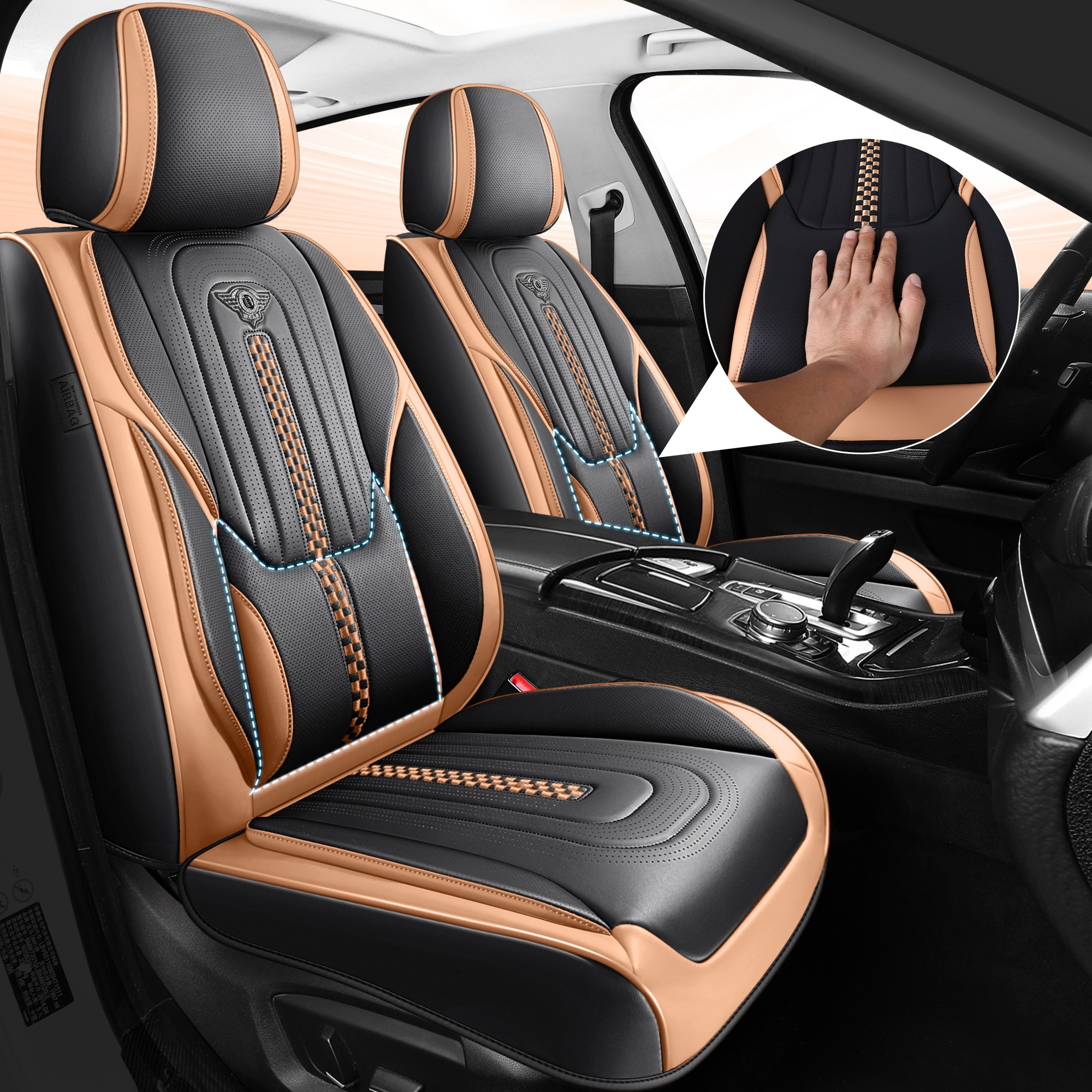
The first time you set it next to the factory piece, there's a brief pause—like your brain is double-checking which one came out of the box. The corner radii, the subtle crown across the surface, even the way the mounting tabs flex under thumb pressure all read identical. No exaggerated gaps, no shiny aftermarket arrogance. It just sits there looking like it's been on the car since the day it rolled off the line.
What really sells it isn't any single detail. It's the accumulation of small matches. A clip that snaps in with that same muted confidence. A texture that doesn't catch your nail differently. The way surrounding panels don't suddenly look older or cheaper by comparison. Weeks later, you'll run your hand along the seam and realize you've stopped remembering which side was ever touched.
That's the strange part—once the fit is this close, you stop calling it a replacement. It becomes just another part of the car. No caveats, no "you'd never know" because there's nothing to know. The line between factory and not simply stops mattering.
Long Drives, Zero Numbness
You know that creeping tingle that starts in your lower back around hour two, then settles into your thighs like static? It’s the reason road trips get a bad reputation. But numbness isn’t an unavoidable toll—it’s a sign your seat, posture, and micro-movements are out of sync. On a properly designed long drive, your legs stay awake, your hips don’t lock up, and you can still feel the pedals under your feet after crossing three state lines.
The trick isn’t one magic cushion or a perfect lumbar curve drawn on a diagram. It’s about creating small, honest shifts: adjusting the seat base so your knees sit slightly below your hips, taking ten seconds at every fuel stop to stand and roll your ankles, and choosing materials that breathe instead of trapping heat against your hamstrings. These aren’t gimmicks—they’re the difference between arriving fresh and hobbling out of the driver’s seat like you’ve aged twenty years.
If your current setup leaves your left foot buzzing by the time the playlist hits song twenty, don’t just crank the air conditioning and push through. Numbness is your body’s quiet way of asking for a reset. Move the seat forward an inch, shift your weight from one sit bone to the other every few minutes, and pull over before the tingling becomes pain. Zero numbness isn’t about iron will—it’s about listening early enough to stay comfortable all the way to the last exit.
Breathable Is an Understatement
The first time you wear it, you'll check to see if the fabric is actually there. Air moves through so freely that your skin registers a constant, subtle breeze—even when you're standing still. On a hard run, sweat doesn't linger; it evaporates before it has a chance to form a single drop. That's not just breathability. That's a masterclass in airflow.
Most materials trap heat in the name of durability or stretch. This one refuses to compromise. The weave creates thousands of micro-channels that pull moisture away from the body and push it to the surface, where it vanishes. You won't find damp patches after a workout. You won't feel that clammy cling that makes you want to rip your shirt off. Instead, you get a dry, airy layer that feels almost weightless.
Compare it to anything else in your closet and the difference is immediate. Cotton becomes a swamp. Polyester blends feel like plastic wrap. This fabric treats hot, humid days as a personal challenge—and wins. Whether you're commuting, training, or just walking through a stuffy city, you'll forget you're wearing anything at all. And that might be the highest compliment you can give.
From Box to Buckled in Under Ten Minutes
Most car seats arrive in a box that feels like a puzzle designed by someone who hates parents. The instructions are printed in six languages, the straps are twisted into shapes that defy physics, and the plastic pieces snap together only when you threaten them. Yet here's the thing: once you stop treating the manual like a sacred text and start trusting the click, the whole process collapses into something almost disappointingly simple. The base hooks onto the lower anchors with a sound like a seatbelt buckle, and the seat drops onto it with a firm, reassuring thud. You wiggle it once, maybe twice, and it doesn't move more than an inch. That's the moment you realize the ten-minute promise wasn't a marketing lie.
The real trick isn't strength or patience—it's following the order of operations like you're assembling a piece of flat-pack furniture that actually respects you. First, loosen every strap before you even touch the car. Second, thread the seatbelt through the belt path and lean your whole body weight into the seat while cinching. Third, ignore the urge to over-tighten. A seat that's rock-solid in the showroom will loosen the moment a toddler kicks the backrest. What you want is a firm handshake, not a death grip. And for the love of all that is holy, don't read the manual cover to cover. Flip to the diagram with the red arrows, do exactly what it shows, and close the book.
By the time you've done it three times—once in the driveway, once in a parking lot while it's raining, once with a screaming child in your arms—the ten-minute claim starts to feel generous. You learn where the release button hides, how to angle the recline with one knee, and which swear word makes the harness adjuster finally cooperate. The box goes in the recycling, and the seat becomes just another part of the car, like a cupholder that occasionally holds a small human. And when a friend texts you a photo of a mangled car seat installation asking "is this right?", you'll type back with the confidence of someone who has buckled a base in a snowstorm: "Nope. Start over. It'll take you eight minutes."
Looks That Belong in the Cabin
The pull of a cabin isn't just the woodsmoke and quiet—it's the way certain clothes feel against that backdrop. A thick fisherman's sweater in oatmeal, jeans softened by a dozen fireside evenings, and boots with scuffs that tell their own stories. These aren't costume choices; they're the pieces that actually make sense when the temperature drops and the floors are cold.
There's a quiet rule to cabin dressing: texture over polish. A wool overshirt that can take a spark from the stove without drama, socks you can pull up over long johns, a waxed canvas jacket that laughs off a sudden squall. Colors lean toward moss, bark, rust, and the off-white of morning light through pine. Nothing too precious, nothing that needs a second thought.
The best cabin looks also carry a bit of history. A hand-me-down knit from someone who fished the same river. A hat that's lost its shape but never its warmth. It's less about buying a specific label and more about reaching for the same things every time you pack the duffel—because they've earned their place, and they belong there as much as the cast-iron pan does.
FAQ
They combine a tailored look with a flexible fit system, so you get a clean, custom appearance without needing to measure every curve of your seat. The padding is placed where your back and thighs actually press, which reduces fatigue over long drives.
The covers use adjustable straps and stretch panels that adapt to most bucket and bench seats. As long as your headrests are removable or adjustable, the covers should wrap securely without excessive bunching.
A breathable center layer and contoured foam support work together to stop heat buildup and pressure points. Many drivers notice less lower-back stiffness after a few hours because the cover keeps your posture slightly more neutral.
No, installation typically takes about ten to fifteen minutes per seat. The covers slip over the top and sides, then you tuck the excess fabric and tighten the straps underneath. No special tools are needed.
Most spills can be wiped away with a damp cloth thanks to a water-resistant outer layer. For deeper cleaning, the covers can be removed and hand-washed in cool water, then air-dried to avoid shrinking.
They are designed with breakaway stitching on the outboard sides, which allows the airbag to inflate normally. Always check that the cover is positioned so the airbag seam lines up with the seat's airbag location.
Yes, the reinforced stitching and abrasion-resistant fabric are built for high-traffic interiors. The dark color options also help hide minor scuffs and crumbs between cleanings.
The top layer resists heat absorption, so seats stay cooler in summer. In winter, the fabric doesn't stiffen like some synthetics, which keeps the covers flexible and comfortable when you first sit down.
Conclusion
Forget the frustration of ill-fitting covers that bunch up and slide around mid-corner. These ODM universal seat covers leave the old one-size-fits-none misery behind. Instead of a loose bag, you get a precision-tailored wrap that follows every curve and bolster, so snug and secure that passengers will swear it left the factory that way. On long hauls, the sculpted support and pressure-distributing foam keep your legs and back from going numb, turning hours behind the wheel into a genuinely comfortable stretch.
Breathable is an understatement—the open-weave fabric and ventilation channels move air like a soft breeze, so you never peel yourself off the seat after a hot day. Getting them installed is almost laughably easy: open the box, slip the covers on, click the straps and hooks, and you're buckled in under ten minutes flat. No wrestling, no swearing, no extra hands needed. And the finished look? Clean stitching, tailored contours, and understated finishes that seem to belong to the car's original design, not an afterthought.
Contact Us
Contact Person: Ms. Zhu
Email: [email protected]
Tel/WhatsApp: 86-15906860931
Website: https://www.redrainseatcovers.com