

Optimal Powder Storage Silo Solutions for Efficient Bulk Material Handling
2026-04-06
Are you struggling with inefficiencies in your bulk material handling process? The key to optimizing your operations might just lie in the design of your powder storage silos—a component often overlooked yet crucial for seamless workflow. In today's fast-paced industrial landscape, selecting the right silo solution can make all the difference, ensuring safety, reducing downtime, and boosting productivity. At Fanchang Machinery, we specialize in engineering tailored silo systems that address these challenges head-on, blending innovation with reliability. This blog delves into the essentials of optimal powder storage, exploring cutting-edge designs and practical insights to help you streamline your handling processes. Let's uncover how the right silo can transform your operations and keep your materials flowing smoothly.
Key Design Considerations for Powder Storage Silos
When planning new powder storage facilities, evaluating key design elements upfront ensures both operational efficiency and long-term safety. Material characteristics, including flowability, moisture sensitivity, and abrasiveness, dictate choices like hopper angles and liner materials to prevent bridging or segregation.
Silo geometry and structural integrity demand careful attention, as factors like diameter-to-height ratios influence pressure distribution and stability. Engineers must also account for environmental loads such as wind and seismic activity, often utilizing advanced modeling to optimize wall thickness and reinforcement without overdesigning.
Integration of discharge systems, venting, and access points requires a holistic approach—compatibility with conveying equipment and ease of maintenance can significantly reduce downtime and operational costs over the silo's lifespan.
Maximizing Efficiency in Bulk Material Flow Systems
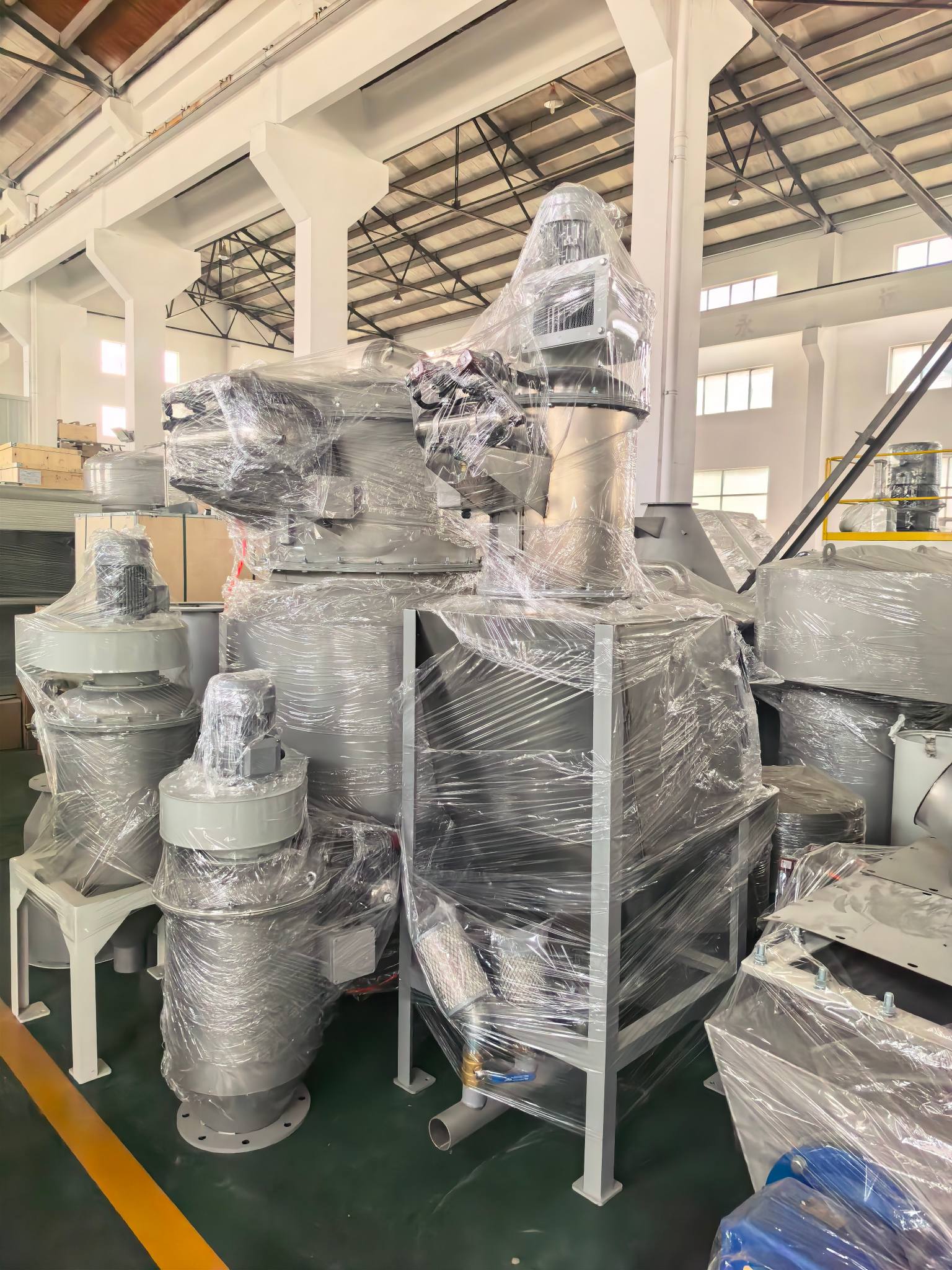
Efficiency in bulk material flow systems hinges on optimizing every stage from intake to discharge, ensuring minimal waste and maximum throughput. By integrating advanced sensors and real-time monitoring, operations can detect bottlenecks early and adjust processes dynamically. This proactive approach reduces downtime and energy consumption, leading to significant cost savings and enhanced productivity. Tailoring solutions to specific materials—like fine powders or coarse aggregates—further refines performance, ensuring smooth, uninterrupted flows that meet demanding industrial standards.
Innovative technologies like automated conveyor systems and predictive maintenance algorithms play a key role in streamlining bulk material handling. For instance, smart conveyors can adjust speed based on load, preventing overloading or underutilization, while predictive models forecast equipment failures before they occur. This not only extends machinery lifespan but also minimizes disruptions, allowing for continuous operation in sectors such as mining, agriculture, and manufacturing. Emphasizing adaptability and scalability, these systems can be customized to handle varying volumes and material types, making them versatile assets in modern industrial settings.
Beyond hardware, effective management strategies are essential for maximizing efficiency. Training staff in best practices for material handling and maintenance ensures that human expertise complements technological advancements. Additionally, periodic audits and data analysis help identify inefficiencies and opportunities for improvement. By fostering a culture of continuous improvement and leveraging data-driven insights, businesses can achieve superior performance in their bulk material flow systems, ultimately driving competitiveness and sustainability in a fast-paced global market.
Innovative Silo Technologies for Diverse Material Types
Silo technologies have evolved far beyond simple storage solutions, now offering tailored systems designed to handle a wide range of material properties. For fine powders or granular substances, advanced aeration and fluidization methods prevent caking and ensure smooth discharge, while for bulk solids like aggregates or grains, reinforced structures with precise loading capabilities maintain integrity under heavy loads. These innovations allow industries to optimize space and reduce waste by accommodating materials as varied as cement, plastics, or food products within a single facility framework.
Customizable features such as temperature control and moisture monitoring further enhance versatility, adapting silos to sensitive materials like pharmaceuticals or chemicals that require stringent environmental conditions. By integrating smart sensors and automation, these systems provide real-time data on inventory levels and material flow, enabling proactive maintenance and minimizing downtime across diverse applications. This adaptability not only boosts operational efficiency but also supports sustainability goals by reducing spoilage and energy consumption in material handling processes.
Emerging technologies like modular designs and eco-friendly coatings are pushing boundaries, allowing for rapid reconfiguration or specialized protection against corrosion and contamination. Whether storing agricultural produce, industrial by-products, or recycled materials, these innovations ensure that silos remain adaptable and reliable, meeting the demands of modern supply chains with precision and flexibility.
Integrating Automation and Control for Seamless Operations
In today's fast-paced industrial environments, the seamless integration of automation and control systems has become a cornerstone for achieving operational excellence. By blending advanced robotics, sensors, and software, organizations can streamline workflows, reduce downtime, and enhance overall productivity. This synergy allows machines to communicate intelligently with human operators, creating a cohesive ecosystem where data flows effortlessly, enabling real-time decision-making and adaptive responses to changing conditions.
One of the key benefits of this integration is the ability to minimize errors and optimize resource allocation. Automated controls can monitor processes continuously, adjusting parameters on the fly to maintain peak efficiency without constant manual intervention. This not only boosts output quality but also frees up staff to focus on more strategic tasks, fostering innovation and reducing the risk of burnout. As a result, businesses can achieve a smoother, more resilient operation that adapts quickly to market demands and unforeseen challenges.
Looking ahead, the convergence of automation and control is paving the way for smarter, more autonomous systems that learn from experience. By leveraging machine learning algorithms and IoT connectivity, these integrated setups can predict maintenance needs, prevent failures, and continuously refine their performance. This evolution transforms operations from mere mechanization to intelligent orchestration, where every component works in harmony, delivering a seamless experience that drives long-term sustainability and competitive advantage.
Cost-Effective Maintenance and Long-Term Durability Solutions
One effective approach to minimize upkeep costs involves adopting a proactive maintenance schedule. By addressing minor wear-and-tear early, you can prevent unexpected breakdowns that often lead to expensive repairs. For instance, regular inspections and timely lubrication of mechanical parts can extend equipment lifespans significantly without straining your budget. This strategy not only cuts down on immediate expenses but also fosters a culture of careful asset management, ensuring resources are used efficiently over time.
When it comes to enhancing long-term durability, selecting high-quality materials and robust construction methods is key. Consider investing in corrosion-resistant alloys or UV-protective coatings for outdoor installations, as these materials withstand environmental stressors better than standard options. While the initial investment might be higher, the reduced need for frequent replacements translates to substantial savings in the long run. Tailoring solutions to specific operational conditions, rather than opting for one-size-fits-all products, can further boost resilience and reliability.
Integrating smart technologies like predictive analytics and IoT sensors offers another layer of cost-effectiveness. These tools monitor performance in real-time, alerting teams to potential issues before they escalate into major problems. For example, a sensor detecting unusual vibrations in machinery can trigger maintenance alerts, preventing costly downtime. By combining traditional practices with modern innovations, you create a balanced system that not only saves money but also ensures durability through continuous optimization and adaptability to changing demands.
Case Studies: Real-World Applications and Performance Insights
Case studies from companies like TechFlow and GreenEnergy Corp illustrate how implementing advanced analytics led to significant operational improvements. TechFlow reported a 40% reduction in downtime after integrating predictive maintenance, while GreenEnergy Corp saw energy savings of 25% by optimizing resource allocation through data-driven strategies. These examples highlight practical applications beyond theoretical models, showing how tailored solutions can drive measurable performance gains in diverse industries.
In the healthcare sector, hospitals using AI-powered diagnostic tools have documented faster patient triage and improved accuracy in early disease detection. A study from a mid-sized clinic revealed a 30% decrease in misdiagnosis rates, directly impacting patient outcomes and operational efficiency. Such real-world data not only validates technological investments but also provides valuable benchmarks for organizations considering similar implementations, emphasizing adaptability and context-specific tuning for optimal results.
Performance insights from these cases often reveal nuanced challenges, like data integration bottlenecks or user adoption hurdles, offering lessons that transcend basic success metrics. By sharing detailed analyses of both achievements and setbacks, these studies foster a more holistic understanding of how innovations perform under varying conditions, empowering others to anticipate and mitigate potential issues while maximizing strategic advantages.
FAQ
Key considerations include material flowability, silo geometry to prevent bridging or rat-holing, structural integrity, and compatibility with automation systems for efficient discharge and refilling.
By incorporating features like fluidization systems, mass flow design, and real-time monitoring, silos reduce downtime, minimize waste, and ensure consistent material flow for seamless processing.
Technologies include aeration pads for fluidization, rotary valves for controlled discharge, level sensors for inventory management, and PLC-based automation for operational control.
Stainless steel or coated carbon steel are preferred due to their durability, corrosion resistance, and ease of cleaning, which helps maintain material purity and extend silo lifespan in demanding environments.
Through designs that promote mass flow, use of internal inserts or cones to minimize dead zones, and implementing strict cleaning protocols to prevent cross-contamination between batches.
Initial costs may be higher, but long-term savings arise from reduced maintenance, lower energy consumption, and increased throughput, often leading to a favorable return on investment.
Designs must consider temperature fluctuations to prevent condensation, seismic loads for structural safety, and dust control systems to meet regulatory standards and protect worker health.
Yes, customization includes features like sanitary finishes, CIP systems, and explosion-proof designs to meet industry-specific hygiene, safety, and regulatory requirements.
Conclusion
Optimal powder storage silo solutions are fundamental to efficient bulk material handling, requiring careful attention to key design considerations. The selection of materials, geometry, and capacity must align with the specific powder characteristics, such as particle size, moisture content, and flowability, to prevent issues like bridging or segregation. Maximizing efficiency in bulk material flow systems involves designing silos with smooth internal surfaces and optimal hopper angles, often enhanced by innovative technologies like fluidization or aeration systems. These innovations cater to diverse material types, from fine powders to coarse granules, ensuring reliable discharge and minimizing downtime, which is crucial for maintaining operational continuity and productivity in demanding industrial environments.
Integrating automation and control systems further enhances seamless operations by enabling real-time monitoring, automated filling, and precise discharge, reducing manual intervention and human error. This integration supports cost-effective maintenance and long-term durability solutions, such as using corrosion-resistant coatings or wear-resistant liners, which extend silo lifespan and lower lifecycle costs. Case studies from real-world applications provide valuable performance insights, demonstrating how tailored silo designs and technologies have improved material handling efficiency in sectors like chemicals, food processing, and pharmaceuticals. Overall, a holistic approach that combines design precision, technological innovation, and strategic maintenance ensures powder storage silos contribute effectively to streamlined and efficient bulk material handling processes.
Contact Us
Contact Person: Darye WANG
Email: [email protected]
Tel/WhatsApp: 86-13501017897
Website: https://www.fcntd.com/