

Pot Still Exporters: Mastering the Craft of Fine Spirit Distillation for Global Distribution
2026-05-15
In the world of fine spirits, the pot still remains the heart of authentic distillation, and exporters are now elevating this ancient craft for a global audience. From small-batch whiskies to artisanal rums, the demand for depth and character has never been higher. Behind every exceptional shipment is a partner who understands both the alchemy of copper and the complexity of international markets. DYE embodies this dual mastery—bridging tradition with logistical precision to deliver liquid art across borders. As we explore what sets top-tier pot still exporters apart, one truth becomes clear: it’s not just about moving bottles, but about curating experiences that resonate from the first pour to the last.
The Art of Copper: How Pot Still Design Shapes Spirit Character
In the world of spirit distillation, few materials are as revered as copper. It’s not just a tradition—copper actively interacts with the vapor, stripping away unwanted sulfur compounds that can taint the final product. This chemistry, combined with the physical shape of the still, creates a dialogue between metal and spirit that defines everything from texture to aroma.
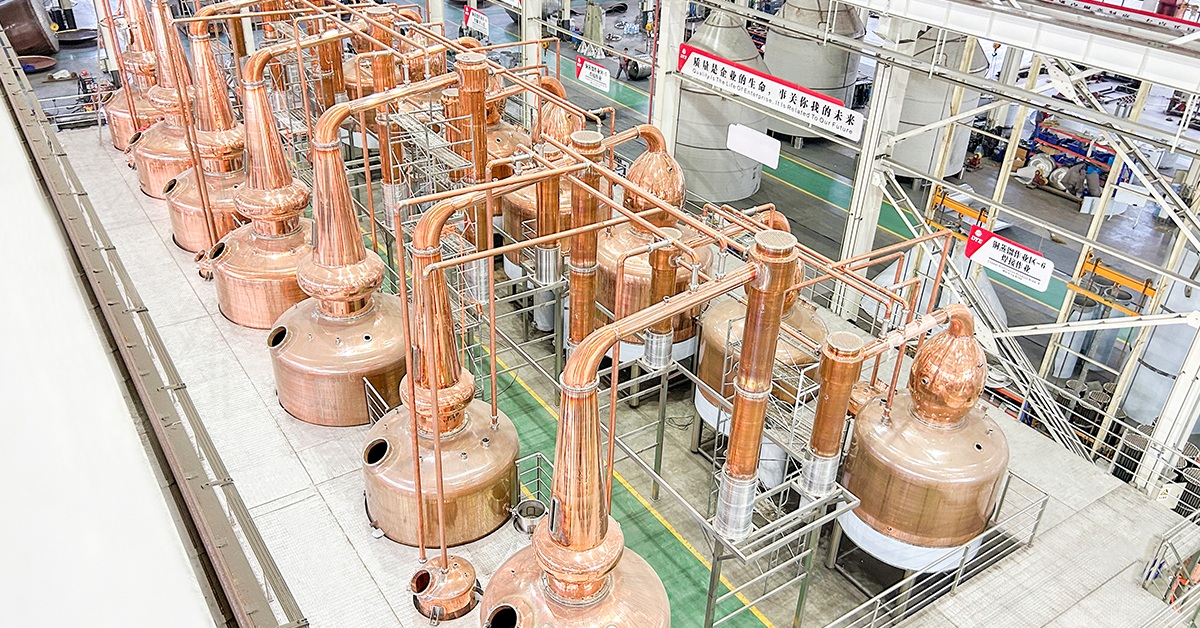
The pot still’s form—whether tall and slender or short and bulbous—dictates reflux and copper contact. A taller neck promotes more reflux, allowing only the lightest, most refined vapors to pass, yielding a cleaner, more delicate spirit. In contrast, a squat, onion-shaped pot encourages heavier congeners to carry through, building richness and complexity. Each curve and angle is a deliberate choice, sculpting flavor drop by drop.
Master distillers treat their stills like musical instruments, fine-tuning the shape to hit the right notes. Subtle variations in the lyne arm angle or the slope of the head can alter the spirit’s weight and mouthfeel. It’s an art where precision meets intuition, and the copper itself becomes a silent partner, seasoning each batch with a whisper of earth and sweetness.
From Local Craft to Global Palate: Export Journeys of Distinction
Every bottle carries the whisper of its birthplace. Before a spirit ever crosses a border, it begins as a local treasure, shaped by the hands of artisans who have inherited techniques passed down through generations. These are not mass-produced commodities; they are liquid stories, born from specific soil, climate, and tradition. The journey from a family-run distillery tucked in a remote valley to a bustling cocktail bar in a world capital is more than logistics—it is a careful translation of culture, taste, and identity.
The alchemy of export demands more than just scaling production. It requires an intimate understanding of foreign palates without betraying the original character of the craft. A mezcal from Oaxaca, for instance, may find its smoky profile celebrated in Tokyo or Melbourne, but the journey there involves meticulous curation: selecting the right importer who values narrative as much as sales figures, designing packaging that whispers tradition while meeting modern compliance, and timing market entry to match the rhythm of global curiosity. Each successful export is a dialogue between preservation and reinvention.
What sets a remarkable export apart is its ability to let the local speak universally. It is not about diluting flavor for broad appeal, but about finding the hidden bridges between cultures. A small-batch gin infused with indigenous botanicals might resonate with a sommelier in Berlin because it tells a story of a particular landscape. The distinction lies in those deliberate choices: partnering with chefs, launching immersive tasting experiences, or simply letting the product’s authenticity do the talking. In the end, the journey transforms a local craft into a global palate’s delight—not by losing its essence, but by proving that distinction knows no borders.
Navigating Trade Tides: Logistics of Premium Spirit Shipping
Shipping premium spirits across oceans is a delicate ballet, where every degree of temperature swing, every jostle in transit, can alter the liquid’s character. It’s not just about moving bottles from point A to B—it’s about preserving the craft, the aging, the whisper of the oak that took decades to perfect. The logistics behind that single malt or vintage cognac involves more than steel containers; it demands climate-controlled environments, custom shock-absorbing pallets, and sometimes even dedicated security escorts to shield against theft and counterfeiting.
Customs and compliance add another twist to the journey. Each country writes its own script for alcohol importation—excise duties that vary wildly, labeling laws that can trap a shipment at the border for weeks, and the ever-present threat of political tariffs that turn a profitable route into a loss overnight. Forwarders specializing in spirits develop a sixth sense for reading regulatory tea leaves, pre-clearing paperwork, and building relationships with local authorities to navigate these bureaucratic narrows without a scratch on the cargo—or the bottom line.
Then comes the silent art of last-mile handling. A port-to-warehouse leg can make or break the entire supply chain. Premium spirits often require white-glove delivery services that know the difference between stacking a pallet of everyday wine and cradling a case of limited-edition whiskey. Real-time tracking has moved beyond simple GPS; sensors now log humidity, vibration, and even barometric pressure, sending alerts if a container door is opened unexpectedly. In this world, logistics isn’t just a cost center—it’s the custodian of a brand’s soul, ensuring that what arrives at the bar or collector’s cabinet tastes exactly as the distiller intended.
Flavor Without Borders: Adapting Profiles for International Markets
Taste doesn't travel in straight lines. A dish that sings in one culture can fall flat in another, often because the supporting flavor notes aren't just unfamiliar—they're misinterpreted. It’s not about dumbing recipes down; it's about finding the emotional equivalent of a flavor profile. For instance, bitterness might signal sophistication in Turin but toxicity in Taipei. Smart brands learn to navigate these undercurrents without losing the soul of the original.
Texture and heat levels rarely translate one-to-one. In Mexico, a fruit-laced salsa delivers freshness and fire, while in Northern Europe that same combination might read as confusingly sweet. The trick isn't stripping complexity—it's rearranging the sensory hierarchy. Sometimes that means dialing back the capsaicin but amping up fermented depth, or swapping a polarizing herb for something that triggers a similar aromatic memory in a new market. The local palate whispers what it craves; listening beats imposing.
Real borderless flavor work happens in the blind spots of consumer research. People don’t always articulate what bothers them about a foreign taste—they just say it’s “not for me.” Successful adaptation requires decoding those rejections into actionable insights: is it the mouthfeel, the aftertaste, the color association? Small shifts—a touch more char, a shift in acidity timing—can create a bridge between two food cultures without declaring either one the winner. That’s where intimacy with ingredients meets intellectual humility.
Heritage in Every Batch: Preserving Tradition at Scale
There’s a quiet rhythm to the way we work, one that echoes the careful hands of generations past. It’s not about freezing a moment in time, but carrying forward the essence of a craft that was never meant to be rushed. Every batch we make is threaded with small, deliberate choices—the patience in our fermentation, the grain we still source from the same family mills, the wooden vats that have held more stories than we can count. Scaling up hasn’t meant scaling back on those details; it’s meant finding ways to honor them in a bigger room, with more people listening.
You taste tradition not as a relic, but as something alive. Our methods are stubbornly old-fashioned where it matters, yet we’ve embraced modern tools that let us share this without compromise. The copper stills may have grown in number, but the hands that guide them still know the touch of a master distiller who learned from his grandmother. That tension—between the pull of heritage and the push to reach more tables—is what gives each bottle its character. It’s a reminder that tradition isn’t fragile; it’s resilient enough to thrive at scale when treated with respect.
We’ve learned that preserving integrity isn’t about resisting change, but about letting the old ways lead. When you open one of our batches, the aroma tells that story before the first sip: the grain fields, the slow winters, the community that shaped it. Scaling up simply means more people get to join a conversation that started long before us, one steeped in the belief that some things are worth doing the long way—no matter how many are asking for a taste.
Building Global Partnerships: Insights from Seasoned Exporters
Real partnerships don't start with contracts—they start with trust. Some of the most reliable distributors I’ve worked with came from in-person meetings where we shared meals, not just pitches. You can’t rush it. A handshake, a factory visit, a late-night conversation about everything but business—these are the moments where commitments are truly made. Once that foundation is solid, paperwork almost writes itself.
Every market has unwritten rules. In Japan, silence can mean deep consideration, not disinterest. In Brazil, meetings often run late because relationships take priority over schedules. These aren’t obstacles—they’re doorways. The exporters who succeed are the ones who adapt to the rhythms of their partners, not the other way around. It’s not about learning a list of dos and don’ts; it’s about genuinely listening and respecting how things are done.
Short-term gains fade, but a ten-year partnership can outlast market downturns. One of my longest-standing partners went through a quality crisis early on. Instead of walking away, we worked through it together, tightening processes and sharing losses. That loyalty paid back tenfold. Treat your partners like family—with honesty, patience, and a willingness to stick around when it’s not easy. That’s when you stop being just suppliers and become an inseparable part of each other’s success.
FAQ
Pot still distillation is a batch process that allows for greater retention of flavor compounds and a heavier, more textured spirit. Unlike continuous column stills, it doesn't strip away the nuances of the raw ingredients, giving each batch a unique fingerprint.
The direct contact with copper and the slower, more manual process let the distiller capture a wider range of congeners. These organic compounds carry the earthy, fruity, and spicy notes that define premium whiskies, rums, and brandies.
Top exporters work closely with distillers to maintain strict production protocols, from fermentation times to cut points. They also invest in robust packaging, temperature-controlled logistics, and hands-on training for international partners to preserve the spirit’s intended profile.
Fragile flavor profiles can shift with temperature fluctuations, and varying import regulations require meticulous labeling and documentation. Additionally, educating distant consumers about the craft behind a pot still spirit demands brand storytelling that resonates locally.
They bridge heritage and innovation. Many craft distillers use these centuries-old designs to honor tradition while experimenting with local grains or unusual cask finishes, creating spirits that feel both timeless and contemporary.
Copper naturally strips sulfur compounds, yielding a cleaner spirit, while the still’s height and lyne arm angle affect reflux and vapor contact. Taller stills produce lighter, more refined spirits; shorter, squat ones deliver a punchier, oilier character.
A growing appetite for transparency and authenticity is driving interest. Consumers are seeking spirits with a sense of place—where the terroir of the grain and the distiller’s personal touch are palpable in every sip.
Conclusion
Pot still distillers have long understood that the shape and copper contact of their stills are not mere technical details but the very soul of the spirit’s character. Every curve and angle influences the reflux and copper interaction, stripping unwanted sulphurous compounds while coaxing out delicate esters and oils. This artisanal alchemy, refined over generations, gives each batch a fingerprint of place and tradition. When these spirits journey beyond their local origins, the challenge becomes preserving that identity while navigating the complexities of international trade. Seasoned exporters know that success lies not just in liquid excellence but in the invisible choreography of logistics—temperature-controlled containers, bonded warehousing, and a web of regulatory compliance that spans continents. They’ve learned to turn fragile cargo into a seamless flow, ensuring a whisky from a Highland distillery or a rhum agricole from a Caribbean island arrives as vividly as it left the stillhouse.
Yet moving product is only half the story. In markets half a world away, palates can be profoundly different, and what sells wonderfully at home may falter abroad. Successful exporters don’t simply push existing products; they listen, adapt, and sometimes tweak profiles or develop entirely new expressions that resonate with local tastes—all without betraying the heritage that makes their spirits distinctive. Scaling up production to meet global demand adds another layer of complexity, requiring a delicate balance between handcrafted tradition and efficient consistency. It’s a tightrope walk where every batch must carry the weight of legacy. Ultimately, enduring global reach is built on relationships—with distributors, importers, and consumers who become ambassadors for the brand. The most adept exporters invest time in these partnerships, sharing knowledge, hosting distillers, and weaving their brand’s narrative into the fabric of foreign markets. In this game, a copper pot still may be the starting point, but trust, adaptability, and a relentless focus on quality are what truly master the art of global distribution.
Contact Us
Contact Person: Ada Xu
Email: [email protected]
Tel/WhatsApp: 0577-86806088
Website: https://www.dayuwz.com/