

Refrigerated Trailer Solutions for Efficient Cold Chain Logistics
2026-07-05
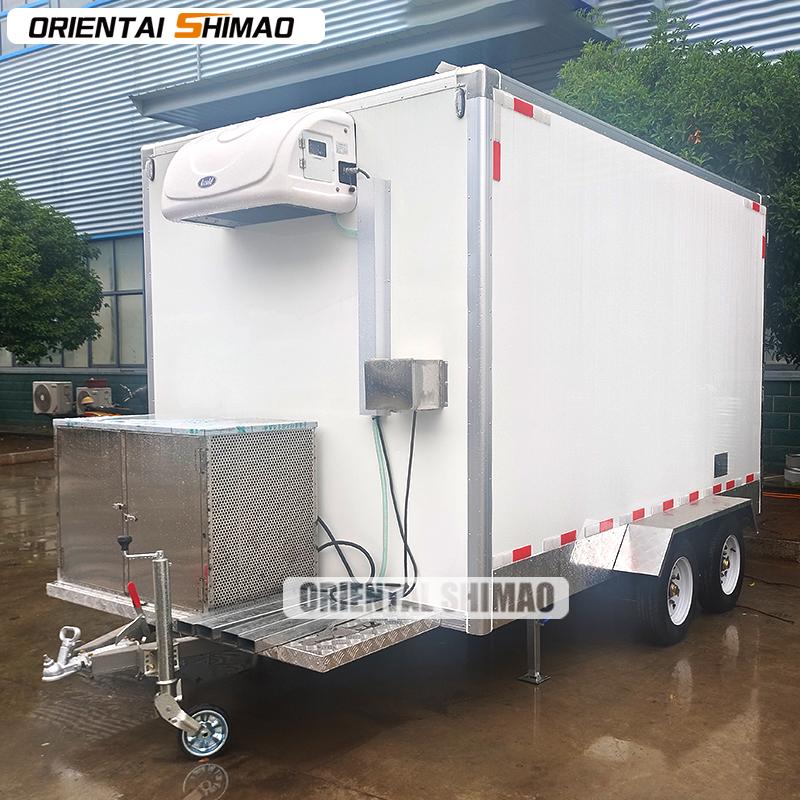
In the fast-paced world of cold chain logistics, keeping perishables fresh isn't just a goal—it's a race against time. From farm to fork, every minute counts, and the right equipment makes all the difference. Enter Oriental Shimao refrigerated trailer solutions, engineered to deliver precision temperature control and unwavering reliability. But what truly sets them apart from the competition? Let’s dive into the innovations that are reshaping modern cold transport.
Temperature Precision That Safeguards Your Cargo Integrity
Every shipment carries a story of trust, and temperature is the silent thread holding it together. A half-degree drift might seem inconsequential until it frays into spoilage or weakened materials. Our systems don't just track numbers—they sense minute thermal shifts and correct them before they become a narrative of loss. It's this relentless attention to the tiny details that keeps your cargo exactly as intended, from departure to doorstep.
Precision here isn't a marketing phrase; it's engineered into sensor placement, airflow modeling, and real-time adaptive controls. We know that a pallet of vaccines, fresh produce, or sensitive electronics doesn't forgive guesswork. That's why our monitoring layers data from multiple points, building a dynamic thermal map that responds to external conditions and internal loads. No single point of failure, no averaging out the edges—just granular control that honors the unique thermal footprint of what you're shipping.
What sets this apart is how invisible the protection becomes. You won't need to constantly check logs or second-guess the readings. When precision is authentic, it fades into the background, leaving you with the only thing that matters: cargo that arrives unchanged, its integrity so intact that no one realizes there was ever a threat waiting in the temperature gaps.
Real-Time Visibility Into Every Mile of Transit
From the moment a shipment leaves the warehouse, you shouldn’t have to wonder where it is or whether it’s on track. Our tracking technology feeds live location data, road conditions, and delivery estimates directly to your dashboard—so you’re never in the dark about what’s happening between point A and point B.
This isn’t just dots on a map. You’ll see real driver status updates, unexpected delays as they unfold, and automated alerts when routes change. That means you can proactively adjust customer expectations, reroute resources, or head off problems before they snowball.
Whether it’s a local courier or a cross-border fleet, every mile is accounted for. No gaps, no guesswork—just a clear, continuous picture that keeps your operations moving and your promises intact.
Energy-Smart Designs That Lower Operational Costs
Buildings account for a significant portion of global energy consumption, but the right design moves can flip operational costs from a liability into a long-term advantage. Passive strategies like optimizing orientation and shading not only slash cooling loads but also reduce the need for oversized mechanical systems. When we place high-performance glazing on south-facing facades and pair it with deep overhangs, the sun works as a free heat source in winter while staying blocked during peak summer. This kind of careful planning often cuts HVAC energy use by thirty percent or more before any active technology enters the picture.
Active systems become far more effective when layered onto a well-tuned passive foundation. Heat recovery ventilators capture warmth from exhaust air and transfer it to incoming fresh air, maintaining comfort without doubling the heating demand. Ground-source heat pumps tap into stable subsurface temperatures, delivering efficiency ratios that air-source units can’t match in extreme climates. We’ve found that combining these with smart zoning and occupancy-based controls prevents empty conference rooms and storage areas from being conditioned like occupied offices. The upfront investment usually pays back within five to seven years through steady utility savings.
The less obvious wins come from material choices and integrated lighting design. Thermal mass elements like exposed concrete floors absorb excess daytime heat and release it slowly at night, flattening temperature swings and shifting peak demand. LED fixtures with daylight harvesting dim automatically when natural light is sufficient, and they last years longer than conventional bulbs, trimming replacement costs too. These decisions don’t just lower bills—they make buildings more resilient to future energy price volatility and tighten the margin between budgeted and actual operating expenses every single month.
Built to Endure the Toughest Routes and Conditions
Every component is chosen and tested to withstand punishment that would break lesser gear. We subject our frames to stress loads well beyond typical riding scenarios, ensuring they remain intact through rock gardens, unexpected drops, and long days under a heavy gear load. The result is a ride that feels unshakeable, no matter how rough the trail gets.
Weather and terrain throw their worst at you, and this build welcomes it. Sealed bearings, corrosion-resistant hardware, and a finish that sheds mud and moisture keep the bike running smoothly even after repeated soakings and grit exposure. You'll push through streams, tackle muddy climbs, and descend in dust without a second thought about component degradation.
Longevity isn't an afterthought—it's engineered into the frame's DNA. From the reinforced dropouts to the butted tubing that prioritizes impact resistance without adding heft, every detail serves riders who demand consistent performance across countless miles of abuse. This is a machine that thrives on hard use and keeps coming back for more.
Intelligent Fleet Coordination for Streamlined Deliveries
Modern logistics hinges on the ability to orchestrate a moving network of vehicles in real time. Instead of treating each delivery truck as an isolated unit, intelligent coordination pools together data from traffic patterns, weather shifts, and order priorities to dynamically reroute drivers or adjust schedules. This means that when a high-priority parcel suddenly appears, the system can instantly reshuffle assignments without causing delays elsewhere—much like a symphony conductor bringing in the brass section at just the right moment.
At the heart of this approach is a quiet kind of machine learning that grows sharper with every mile. By analyzing historical drop-off times, fuel consumption, and even the brief pauses drivers take, the platform learns to predict which routes will be fastest and most fuel-efficient tomorrow. It doesn't just optimize for speed; it balances the less glamorous variables—reducing idle time, avoiding residential streets during school run hours, and clustering deliveries so that drivers finish their last stop closer to home. The result is a fleet that feels almost intuitive, adapting before a problem unfolds.
What makes this coordination genuinely streamlined is how it communicates with everyone involved. Store managers see an evolving ETA that reflects actual road conditions, not a static promise. Drivers get clear, sequential prompts on their handheld devices, trimming out the guesswork of which package to grab next. And customers aren’t left refreshing a tracking page; they receive a single, accurate update when their order is minutes away. It’s logistics without the noise—every movement purposefully aligned to the bigger picture.
Tailored Configurations for Specialized Cold Chain Needs
No two cold chains are exactly alike, and off-the-shelf solutions rarely address the intricate demands of specialized transport. That’s why our approach begins with a deep dive into your product’s sensitivity profile—whether it’s biologics that require unbroken temperature corridors, frozen foods prone to texture degradation from minor fluctuations, or delicate floral shipments that suffer in low-humidity environments. We map out every handoff, dwell time, and environmental threat, then engineer a configuration that aligns precisely with those realities.
The result is a custom orchestration of hardware, insulation, and monitoring that evolves with your routes and seasons. From multi-compartment trailers capable of maintaining three distinct temperature zones simultaneously to passive packaging with phase-change materials calibrated for 96-hour integrity, each element is chosen based on actual transit data rather than generic specs. Active systems are paired with redundant sensors and cloud-based logging, giving you not just peace of mind but genuine control over conditions from origin to final mile.
Beyond the technical build, we embed flexibility into every configuration. Seasonal ambient shifts, new lanes, or changes in product mix don’t force a complete redesign—modular components and adjustable setpoints let you adapt without downtime. It’s a living solution that grows with your operations, keeping compliance tight and waste low while letting you focus on your core business instead of battling temperature excursions.
FAQ
Refrigerated trailers, often called reefers, are specialized transport units designed to move temperature-sensitive goods. They use integrated cooling systems to keep cargo at precise temperatures, preventing spoilage during transit. Without them, items like fresh produce, dairy, and pharmaceuticals couldn't safely reach distant markets.
Advanced insulation materials and streamlined airflow designs minimize thermal leakage. Many units now feature electric standby motors, solar panels, and smart controllers that adjust cooling output based on real-time load conditions. This cuts fuel consumption and emissions while maintaining consistent temperatures.
For long hauls, prioritize high-quality insulation, a robust refrigeration unit with remote monitoring capabilities, and a sturdy chassis. Additional features like multi-temperature zones, automated defrost cycles, and air-ride suspension systems help protect cargo over thousands of miles.
Absolutely. Many manufacturers offer custom configurations such as adjustable compartment dividers, specialized door seals for frequent deliveries, and humidity controls. For instance, flowers might need higher humidity, while electronics require a dry, cool environment. Tailoring the trailer to specific product needs improves shelf life and reduces waste.
Routine checks on the refrigeration unit’s compressor, coolant levels, and door gaskets are essential. Cleaning the evaporator and condenser coils prevents buildup that reduces efficiency. Pre-trip inspections of temperature gauges and alarm systems, along with regular calibration, help avoid mid-journey failures.
By maintaining unbroken cold chains from farm to table, refrigerated trailers significantly lower post-harvest losses. They preserve freshness for longer periods, allowing producers to reach farther markets and retailers to keep stock without rapid deterioration. This directly combats the global issue of food waste.
Yes, the industry is shifting toward trailers with lower-GWP refrigerants, electric-powered cooling for last-mile delivery, and lightweight composite panels that improve fuel economy. Some models integrate telematics to optimize routes and reduce idle time, shrinking the overall carbon footprint of cold chain operations.
Conclusion
Modern refrigerated trailer solutions are transforming cold chain logistics by combining precise temperature control with end-to-end visibility, ensuring cargo integrity from origin to destination. Advanced sensor systems and multi-zone cooling maintain exact conditions, adapting seamlessly to diverse products—whether fresh produce, pharmaceuticals, or frozen goods. This thermal precision is reinforced by real-time monitoring platforms that provide continuous data on location, temperature, and door events, empowering logistics teams to respond instantly to deviations and proactively manage risks. Such connectivity not only safeguards sensitive shipments but also builds trust across the supply chain, as stakeholders gain transparency into every mile of transit.
Beyond monitoring, these trailers are engineered for operational efficiency and resilience. Energy-smart components like aerodynamic skirts, lightweight insulation, and hybrid refrigeration units significantly lower fuel consumption and maintenance costs without compromising performance. Rugged structural designs withstand harsh roads and extreme climates, minimizing downtime and cargo loss. Integrated fleet management software further streamlines routing and scheduling, while customizable interior configurations—from adjustable racking to specialized atmosphere controls—cater to unique cold chain requirements. Altogether, these innovations deliver a comprehensive solution that prioritizes product quality, cost-effectiveness, and adaptability in an increasingly demanding logistics landscape.
Contact Us
Contact Person: Jack Wang
Email: [email protected]
Tel/WhatsApp: 8618306483516
Website: https://www.orientalshimaofoodtruck.com