

Sourcing Metal Barware from China: Your Ultimate Guide to Quality and Style
2026-07-19
Metal barware is more than just functional—it's a statement of style and durability. Sourcing from China offers unmatched variety and value, but navigating the market requires insider knowledge. At APEXAL, we've distilled years of expertise into this guide, revealing how to secure pieces that blend quality craftsmanship with distinctive design, ensuring your collection stands out.
Beyond Stainless Steel: Decoding Metal Choices for Barware
Stainless steel dominates back bars for good reason—it’s durable, easy to clean, and largely neutral in taste. But look closer and you’ll notice a quiet rebellion in copper shakers, silver-plated jiggers, and even gold-rimmed mixing glasses. These metals aren’t just for show; each brings a distinct personality to the drink. Copper, for instance, reacts with egg whites to create a denser foam in a whiskey sour, while silver subtly suppresses sulfur notes that can muddy a gin cocktail. Understanding why we reach for something beyond the standard offers a more intentional way to build a bar setup.
The choice often hinges on thermal conductivity and chemical reactivity. Copper pulls heat from your hands fast, chilling a shaken drink rapidly, but that same reactivity means it demands thorough drying to avoid verdigris. Silver, with its antimicrobial properties, was once the go-to for taste-testing because it doesn’t impart flavors—hence the classic silver tasting spoon. Brass and bronze, while less common outside vintage pieces, add a weight and warmth to stirring that modern metals sometimes lack. Even titanium has found a niche: feather-light, nearly indestructible, and completely inert, it’s perfect for travel kits where every ounce matters.
No single metal is universally superior; it’s about matching the material to the moment. A copper Moscow mule mug isn’t a gimmick—the chilled metal rim enhances the perception of cold, bright acidity. A silver cocktail shaker might be overkill for a busy service, but for crafting a martini at home, it becomes a quiet ritual. Your choice tells a story, whether it’s the high-polish flash of a gold-toned strainer catching the light or the patina on a brass jigger that maps years of use. Beyond stainless steel lies a landscape of texture, tradition, and taste worth exploring.
Finding the Right Factory: A Buyer’s Practical Roadmap
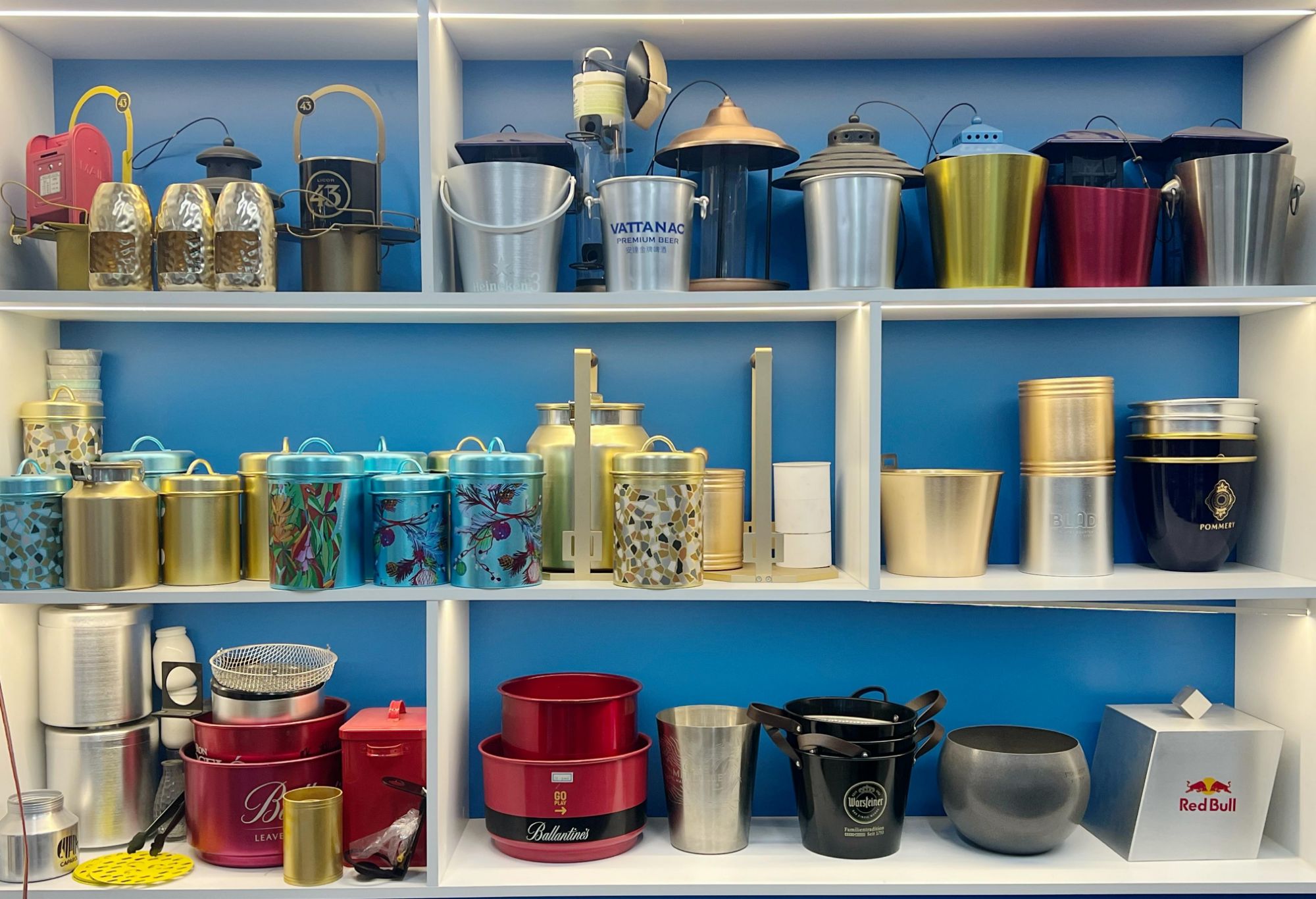
Start by mapping out your non-negotiables—production volume, quality tolerances, and any certifications that matter to your customers. This clarity will save you from chasing leads that look promising on paper but can’t actually deliver. Many buyers skip this step and end up wasting weeks on factories that are either too small for their scale or too rigid for the customization they need.
Once you have a shortlist, look beyond the official website and polished brochures. Ask for a live video walkthrough of the production floor, not just the showroom. Pay attention to how materials are stored, how workers move between stations, and whether the equipment matches the capabilities they claim. A factory that’s reluctant to show you real-time operations or makes excuses about “confidential client projects” should raise a flag.
Finally, test their communication rhythms before placing a deposit. Send a sample request or a technical question and time how long they take to respond, how detailed their reply is, and whether they ask clarifying questions or just agree with everything. The way they handle a small inquiry now mirrors how they’ll manage a production hiccup later. A partner who pushes back with thoughtful suggestions is worth more than one who simply says yes.
The Art of Inspection: What to Check Before Shipment
A final walk-through before your goods vanish into the supply chain isn’t just a box-ticking exercise—it’s the moment where small oversights turn into costly returns. Start with the packaging itself: is it sturdy enough to survive a rough ride? Give the carton a gentle shake; if you hear rattling, that’s your first red flag. Then, zoom in on the product. Look for subtle flaws that batch sampling might have missed—a misaligned label, a faint scratch, or a color that’s just a shade off. These are the details that a hurried eye skips, but a customer won’t.
Functionality checks often get reduced to an on-off test, but real inspection means mimicking how a user interacts with the item. If it’s a mechanical part, cycle it through its full range of motion a few extra times. For electronics, connect every port, press every button, and listen for unusual hums. The goal isn’t to confirm it works; it’s to catch the intermittent fault that only appears after a little stress. And don’t overlook the paperwork: the right certificates, manuals, and safety symbols in place aren’t just bureaucratic—they’re often the difference between a smooth customs clearance and a shipment held up for weeks.
Finally, step back and look at the shipment as a whole. How do the units sit on the palate? Is the labeling facing outward so a scanner can read it without unpacking? Check the weight of a few random boxes—an unexpected variation can signal missing components inside. These final glances feel almost meditative, but they’ve saved more projects than any high-tech gadget. A careful inspection isn’t just quality control; it’s the last act of craftsmanship before your product speaks for itself in a new market.
Design That Speaks: Crafting Unique Barware Collections
A well-curated bar isn't just about the bottles on display—it's an extension of personal style and a catalyst for connection. When barware transcends mere function, each piece becomes a quiet storyteller, sparking curiosity before the first pour. The tactile weight of a custom mixing glass, the unexpected texture of a hand-forged jigger, even the subtle angle of a pour spout—these details shift the ritual from routine to remarkable. They invite guests not just to drink, but to linger, to touch, and to appreciate the craft behind the cocktail.
Building a collection with real voice means moving past matchy-matchy sets and embracing pieces that feel discovered rather than purchased. Think hand-blown tumblers with tiny air bubbles caught in the glass, their irregular silhouettes catching light differently with every angle. Picture coasters cast from raw brass that will develop a one-of-a-kind patina over time, marking the moments you've shared. This isn't about perfection—it's about intentional imperfection that makes your setup unmistakably yours. Even a single striking tool, like a twisted copper spoon or a cocktail pick carved from olive wood, can anchor the whole aesthetic.
The real magic happens when form and function hold equal weight. A beautifully balletic shaker that pours without dripping, a mixing glass that feels like it was molded for your palm—these pieces perform under pressure while still catching the eye. The best designs honor the heritage of bartending without feeling like museum pieces; they're meant to be used, chilled, clinked, and eventually handed down. So whether you're updating a neglected home cart or building from scratch, chase the objects that make you want to reach for them night after night. That emotional pull is what makes a collection truly speak.
Navigating Freight and Fees Without the Headaches
Dealing with shipping costs and extra charges can quickly turn into a stressful guessing game. The trick isn’t just finding the cheapest option—it’s understanding the full breakdown before you commit. Look closely at how carriers calculate dimensional weight, fuel surcharges, and accessorial fees. A little clarity upfront prevents that sinking feeling when the final bill lands far above the quote. Ask direct questions, compare the fine print, and don’t be shy about negotiating terms for recurring shipments. When you treat freight as a partnership rather than a transaction, the process becomes less about dodging surprises and more about building reliable, predictable logistics.
Hidden fees love to hide in the details nobody reads. Residential delivery charges, liftgate requirements, limited access locations—these small line items pile up fast if you’re not watching. Instead of reacting to a bloated invoice, set clear expectations with your carrier or freight forwarder before the first mile. Provide accurate shipment dimensions, pallet stackability, and dock availability. A well-documented shipping profile acts like a shield; carriers can quote honestly, and you can budget without the anxiety of unknown penalties. It’s the difference between running a tight operation and bleeding cash on preventable costs.
Technology can take the sting out of rate management, but only if you use it wisely. Platforms that aggregate real-time quotes from multiple carriers let you compare apples to apples without the back-and-forth email chains. Still, don’t let automation replace common sense. Review your invoices religiously, challenge discrepancies, and keep a log of what you actually paid versus the promised rate. Over time, patterns emerge: certain lanes always trigger reweigh fees, certain carriers consistently beat the benchmark. That knowledge is your leverage. Freight shouldn’t be a headache—it should be a routine you master, one shipment at a time.
From Classic to Contemporary: What’s Shaping Barware Now
The revival of vintage glassware has home bartenders reaching for coupes and Nick & Nora glasses that echo the speakeasy era, while subtle updates like thinner rims and refined stems keep them feeling current rather than costume-y.
Minimalist design is making a quiet statement—matte black tools, unadorned stainless steel, and geometric decanters slip into modern kitchens without shouting, proving that restraint can be just as expressive as ornamentation.
At the same time, there’s a push toward multifunctional pieces that respect small-space living: stacking jiggers, collapsible strainers, and nesting shakers blur the line between tool and decor, so the bar cart feels intentional rather than cluttered.
FAQ
China's vast manufacturing ecosystem offers unmatched variety in materials like stainless steel, copper, and brass. You can find everything from sleek cocktail shakers to ornate ice buckets, often at prices that allow for healthy margins. Plus, many factories are skilled in both mass production and intricate handcrafting, giving you flexibility no matter your brand's aesthetic.
Start by requesting samples before placing bulk orders—don't skip this step. Specify your quality benchmarks clearly, such as thickness of metal, polish level, or leak-proof seals. Consider hiring a third-party inspection service to check goods before shipment. Building a long-term relationship with a factory also helps; they'll prioritize your standards once you're a regular partner.
Stainless steel is the workhorse—durable, rust-resistant, and dishwasher-safe. Brass and copper give a vintage, warm look but require more maintenance to prevent tarnish. If you want the best of both, go for stainless steel with a copper or brass plating. Think about your target customer: a minimalist brand might love matte black stainless steel, while a luxury bar set screams polished brass.
You can tweak almost everything. Engraved logos, unique shapes, hammered or mirror finishes, custom packaging, even color coatings like rose gold or matte black. Some factories will create new molds if your design is complex. Just be prepared for mold fees and higher minimum orders if you veer off existing templates.
MOQs vary wildly. For stock items with simple branding, you might get away with 500 units per design. Fully custom shapes with new tooling can push that to 2,000 or more. Always negotiate—factories sometimes reduce MOQs for a trial order, especially if you're a promising long-term client. Mixed orders (different items in one container) can also help meet minimums.
Sea freight is your most cost-effective option for large orders, though it takes 4-6 weeks. Air freight works for smaller, urgent shipments but eats into margins. Use a freight forwarder to navigate customs and documentation—they're worth the fee. Factor in port delays and always have a buffer in your timeline. Shipping by FOB (Free on Board) transfers risk to you early, so consider EXW or CIF depending on your experience.
Minimalist, geometric shapes with matte finishes are huge right now, especially in black or gunmetal. There's also a surge in textured surfaces, like hammered or brushed metal, which add a handmade feel. Retro-style copper mugs and accessories remain strong for Moscow mule lovers. Sustainable packaging and production practices are increasingly a selling point for eco-conscious buyers.
Be wary of communication that's too vague—if they can't give clear timelines or material specs, move on. Super low prices often mean inferior metal grades or poor finishing that tarnishes quickly. Check if they have experience exporting to your country; inexperienced shippers can cause customs headaches. A factory with no online reviews or verifiable clients is a gamble.
Conclusion
Sourcing metal barware from China opens a world of possibilities beyond standard stainless steel, inviting you to explore copper, brass, zinc alloy, and even titanium for distinct textures and durability. The key is matchmaker the material to your brand’s ethos and drink menu, whether it’s the warm patina of hand-hammered copper mugs for a Moscow Mule experience or the sleek heft of blackened steel cocktail shakers. A smart buyer doesn’t just browse catalogs but digs into a factory’s specialization—some excel in fine casting for intricate handles, others in deep drawing for seamless double-wall construction. Visiting in person or hiring a local agent to check their plating line, polishing stations, and environmental compliance goes a long way, as does requesting split samples from different production batches to gauge consistency before committing.
Inspection is where the real story unfolds: you’ll want to go beyond the surface and verify weld integrity, ensure vacuum insulation still works after a 24-hour heat test, and run a dishwasher cycle on random pieces to see if electroplated finishes hold up. Design-wise, customizing profiles, embossing logos, or collaborating on a proprietary weight balance can set your collection apart in a crowded market. On the logistics side, planning consolidated shipments and understanding Incoterms early helps avoid surprises with demurrage fees or last-mile surcharge during peak seasons. Keep an eye on shifting trends—the rise of home mixology has sparked demand for ergonomic jiggers and multifunctional tools, while sustainable packaging options and low-lead brass alloys are becoming non-negotiable for eco-conscious brands. Blending these insights turns sourcing from a transaction into a competitive advantage.
Contact Us
Contact Person: Milo
Email: [email protected]
Tel/WhatsApp: +86 18621923991
Website: https://www.dgbaide.com