

Top Boot Mats for Ultimate Trunk Protection and Style
2026-09-06
Your trunk takes a beating—groceries, gear, muddy paws, and the occasional spilled coffee. So why settle for a flimsy liner that bunches up and looks worse than the mess it’s supposed to contain? The right boot mat can transform your cargo area from an afterthought into a clean, rugged space that actually complements your car’s interior. In this guide, I’ve rounded up the top boot mats that deliver serious protection without sacrificing style. And yes, FANDEWEI made the list for good reason—stick around to see why it might be the upgrade your trunk has been begging for.
Why Your Trunk Deserves Better Than Gravel and Groceries
Your trunk has quietly absorbed the worst of your errands—loose gravel from a landscaping run, leaking milk jugs, muddy cleats after a weekend game. It's tough, sure, but that doesn't mean it should be treated like a rolling dumpster. A proper trunk liner or organizer isn't just an accessory; it's a reset button for the space you open and close dozens of times a week.
Think about the last time a bag of potting soil split open or a takeout container tipped over on the way home. Without protection, those fine particles and greasy residues work their way into the carpet fibers, leaving behind odors and stains that are nearly impossible to remove. A contoured, easy-to-rinse mat catches the mess before it becomes permanent, so a quick wipe is all it takes.
Upgrading how you treat your trunk pays off in ways you feel every day—less stress when hauling messy loads, a cleaner space for groceries, and a vehicle that holds its value better when it's time to sell. Your trunk has earned a little respect, and it's one of the easiest places to make a practical improvement.
Rubber, Carpet, or TPE? What Actually Survives Muddy Boots
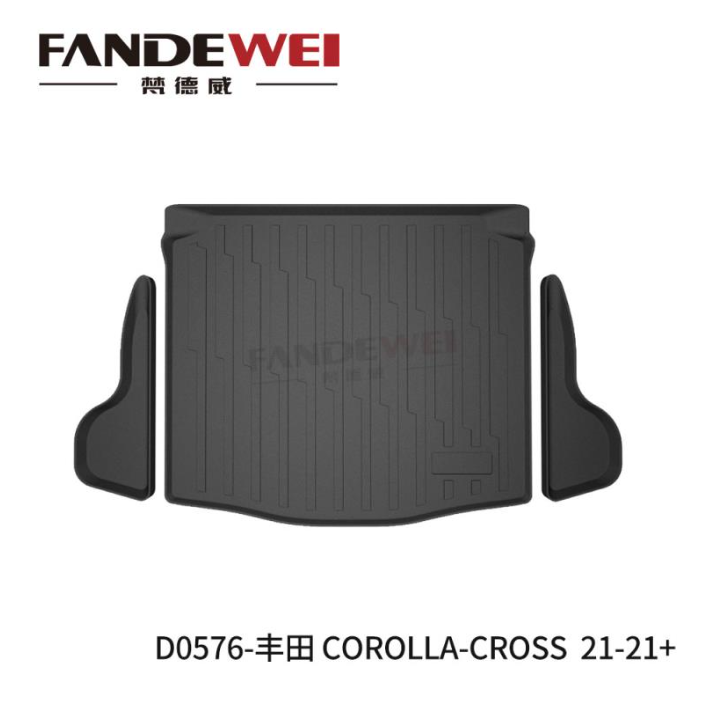
Ask anyone who's peeled a floor mat out after a rainy week and you'll get three different answers. Rubber looks tough, but cheap synthetic blends stiffen in cold and crack along the grooves. Carpet mats grab mud only until the fibers pack full, then they turn into damp sponges that hold grit for months. TPE splits the difference: it's flexible, doesn't smell like a tire shop, and rinses off faster than carpet, though a slick backing can make it slide around.
After a season of stomping boots, what actually survives comes down to how the material handles water you can't always dump out. Deep-grooved rubber with raised edges contains slush better than flat carpet, which wicks it sideways into the footwell. TPE sheds mud with a quick shake, but it scuffs more visibly than dark rubber. If your boots are muddy every day, skip the carpet and pick either heavy rubber or a TPE mat with a textured bottom. The rest is just arguing over which one smells worse when wet.
Snap-In vs. Roll-Out? The Lazy Person’s Guide to a Perfect Fit
Let's be real—nobody wants to wrestle with a phone case that demands Hulk strength just to snap on. Snap-in designs are all about precision: you line up the corners, press firmly, and hope the tabs catch without cracking. It sounds simple, but on a lazy Sunday, even that feels like a chore. Roll-out styles, on the other hand, let the case glide on from one side, almost like it's unrolling onto your device. Less force, less fuss.
The 'perfect fit' isn't just about tightness—it's about how the case hugs every edge without lifting your screen protector or leaving gaps. Snap-in cases can feel rock-solid once seated, but getting there might require a bit of back-and-forth wiggling. Roll-out cases often use a flexible TPU bumper that curves around naturally, which is forgiving for off-angle starts. If you hate redoing corners three times, you'll appreciate that forgiveness.
So, for the lazy perfectionist: roll-out wins on ease, but pay attention to the lip height and side grip—some roll-outs can feel a touch loose if the material is too soft. Snap-in is great if you don't mind a one-time effort for a locked-in feel. Either way, check user photos, not just product shots. Real hands reveal how annoying the install really is.
Hose It Down or Wipe It Off? The Truth Behind Easy Clean Claims
The phrase 'easy clean' gets tossed around so often that it's lost any real meaning. Some surfaces genuinely shrug off spills with a quick wipe, while others demand a full hose-down just to look halfway decent. The truth usually sits in the details: how the material is finished, whether the coating actually repels grime or just hides it, and what happens after a few months of real use.
A hose might seem like the lazy win, but water pressure can push debris deeper into seams or leave streaks that dry into a mess. Wiping, on the other hand, often removes surface dirt before it bonds — but only if the fabric or finish is designed to release stains rather than absorb them. Before you trust the label, test a hidden corner with something messy. That's the only way to know if 'easy clean' means a five-second wipe or an afternoon with a scrub brush.
From Farm Boots to First Dates, Making a Trunk Liner Look Intentional
A trunk liner usually gets treated like a disposable afterthought, but it can anchor the whole rear cargo space if you pick the right one. Look for a heavy-gauge rubber or textured mat that mirrors the same rugged sensibility as your boots—no flimsy plastic sheeting. When you drop a pair of mud-caked farm boots back there after a long morning, the liner should look like a deliberate landing zone, catching dirt without turning the space into a messy cave.
The same liner doesn't need to stay stuck in work mode. Shake it off, wipe it down, and swap the boots for a canvas weekender or a bottle of wine on date night. The trick is layering a couple of low-profile bins or a rolled blanket along the sides so the mat reads as a base layer, not a protective cover. A matte charcoal or deep tan finish blends with most interiors far better than shiny black plastic, so the liner feels like part of the car rather than a temporary shield.
Think of it as a piece of gear that earns its keep. A ribbed, heavy-duty liner can handle both boot treads and a picnic basket without a costume change. When it stops calling attention to itself and just quietly does the job, that's when it stops being a car accessory and starts being a considered choice.
The $30 vs. $130 Debate, Where Boot Mats Earn Their Price Tag
At first glance, a boot mat seems like a simple slab of rubber or carpet, so why does one cost thirty bucks while another demands over a hundred? The gap isn't just branding—it's hidden in the way each mat handles the daily assault of mud, slush, and road salt. A budget option might look fine on day one, but its thin material starts to curl at the edges, letting dirty water seep underneath. By the end of winter, you're scrubbing the floor anyway, which defeats the whole purpose.
The higher-priced mats earn their keep through details you don't see on the product photo. Deep channels that actually trap melting snow instead of letting it pool, a dense backing that grips the carpet so the mat stays put, and rubber compounds that stay flexible in freezing temperatures rather than turning brittle. These aren't luxury frills—they're what keep the mat functional past a single season. A $30 mat often needs replacing every year or two, while a $130 one might outlast the vehicle's lease term.
That said, not everyone needs the premium tier. If you live in a mild climate or rarely drive in bad weather, a cheaper mat may do fine. But if your boots regularly carry half a gravel driveway into the car, the price difference starts to look less like a splurge and more like a preemptive cleaning bill. The real debate isn't about cost—it's about matching the mat to the mess it will face.
FAQ
Focus on the material first—heavy-duty rubber or TPE handles spills and wear without looking industrial. Then check the edge lip height; a raised lip keeps muddy water from reaching the carpet. For style, pick a mat with a subtle texture or a trim color that matches your interior instead of a plain black slab.
Usually yes, especially if your trunk has odd shapes or built-in storage compartments. A custom mat hugs the contours so debris can't sneak underneath, and it won't slide around on sharp turns. Universal mats cost less but often need trimming and still leave gaps.
Pull it out, shake off loose dirt, then rinse with a hose and mild soap. Avoid petroleum-based cleaners because they can break down rubber over time. For textured mats, a soft brush gets into the grooves. Let it air dry completely before putting it back to prevent mildew.
Yes, thicker rubber or foam-backed mats absorb some road noise and stop items from rattling directly against the metal floor. If you often carry tools or sports gear, a dense mat makes the cabin noticeably quieter.
Rubber is the toughest and best for heavy-duty use, but it can smell for a few weeks. TPE is lighter, odor-free, and still waterproof, though it may not be as puncture-resistant. Carpet mats look plush and match interiors, but they hold moisture and stains unless treated.
Most brands offer vehicle-specific designs for popular models, but universal mats can work if you're willing to trim them. A proper fit matters around the wheel arches and latch area, so check the manufacturer's fit guide before ordering.
Around 3-5mm is fine for groceries, strollers, and occasional dirty gear. If you haul firewood, tools, or heavy equipment, look for 5mm or thicker with reinforced edges. Thinner mats are easier to roll up but won't survive sharp objects.
The price often reflects material quality and precise fit, not just the label. A premium mat from a brand like WeatherTech or 3D Maxpider uses dense material that stays flat in heat and cold, while cheaper mats can curl at the edges and warp. But you can find good mid-range options if you read reviews.
Conclusion
A trunk liner is one of those things you don't think about until a bag of river rocks tips over or a wet dog shakes off three counties' worth of mud. The cheap carpet mats that come with most cars soak up spills and hold that swampy smell for weeks. Rubber is better, but not all rubber is equal—thick, heavy-duty rubber survives boot cleats and sharp-edged cargo, while thin sheets crack at the first hard freeze. TPE sits somewhere in between: lighter and more flexible, but you'll pay for that convenience. Fit matters just as much as material. A snap-in mat hugs the factory contours perfectly, so gravel and slush can't sneak underneath, but it's a pain to remove for a deep clean. A roll-out or universal mat is easier to yank out and hose off, even if the edges don't always sit flush. And about that "just hose it down" promise—most mats do rinse clean quickly, but if yours has deep channels or a raised lip, expect to scrub a little. Water alone won't lift caked clay from every groove.
The style question is trickier than it sounds. A utilitarian black rubber slab can make your trunk feel like a work truck, which is fine if that's the vibe, but a low-profile liner with a subtle texture or a dark gray finish can blend in well enough that you forget it's there. That's the sweet spot: protection that doesn't advertise itself. Price is the last hurdle. A $30 mat will catch dirt and can be replaced every couple of years without guilt. A $130 mat usually means thicker material, better odor resistance, and a precision cut that stays put. If you haul muddy boots, firewood, or gear every weekend, the expensive one earns its keep. If your trunk mostly carries groceries and the occasional gym bag, the budget option does the job. The right boot mat isn't the one with the most features—it's the one that matches how you actually use your trunk, and doesn't make you dread opening the hatch.
Contact Us
Contact Person: Jet
Email: [email protected]
Tel/WhatsApp: 8619903745266
Website: https://www.fandewei.com/