

Top Prefabricated Substations: Revolutionizing Power Distribution with Efficiency and Innovation
2026-01-12
Welcome to Lugao's exploration of the future of power distribution. In today's fast-paced world, the demand for reliable, efficient, and innovative electrical solutions has never been higher. As industries evolve and urban landscapes expand, traditional methods of power distribution are being challenged to keep up. Enter prefabricated substations—a groundbreaking approach that is transforming how we manage and deliver electricity. At Lugao, we are at the forefront of this revolution, leveraging cutting-edge technology and smart design to create substations that are not only efficient but also adaptable to diverse applications. In this blog, we'll dive into how these prefabricated systems are reshaping the industry, offering faster deployment, enhanced safety, and sustainable performance. Join us as we uncover the key innovations driving this change and why Lugao is your trusted partner in pioneering the next generation of power solutions. Let's illuminate the path to a smarter, more resilient electrical infrastructure together.
Unlocking Efficiency: How Prefabricated Substations Streamline Power Distribution
Prefabricated substations are revolutionizing power distribution by offering a modular approach that significantly cuts installation time and reduces on-site labor. Unlike traditional substations, which require extensive construction and custom assembly, these units are manufactured off-site in controlled environments, ensuring higher quality and consistency. This prefabrication process allows utilities to deploy power infrastructure faster, often slashing project timelines by up to 50%, which is crucial in meeting growing energy demands or during emergency upgrades. By minimizing field work, they also lower risks associated with weather delays and safety hazards, making projects more predictable and cost-effective.
Beyond speed, prefabricated substations enhance operational efficiency through smart design features that adapt to diverse environments, from urban centers to remote industrial sites. They come equipped with integrated components like transformers, switchgear, and monitoring systems, pre-tested for reliability before delivery. This plug-and-play functionality reduces downtime during commissioning and simplifies maintenance, as technicians can access standardized parts more easily. In regions prone to extreme conditions, such as coastal areas or high-altitude locations, these substations can be customized with corrosion-resistant materials or climate control systems, ensuring long-term durability without compromising performance.
The streamlined nature of prefabricated substations also supports sustainability goals by cutting material waste and energy consumption during construction. Since they are built in factories, manufacturers can optimize resource use and implement eco-friendly practices, such as recycling scrap metal or using energy-efficient lighting. Additionally, their compact footprint often requires less land, preserving natural habitats in sensitive areas. As grids evolve with renewable energy integration, these substations offer scalability, allowing utilities to add or upgrade components without major overhauls. This flexibility positions them as a key enabler for modern, resilient power networks that prioritize both efficiency and environmental stewardship.
Innovation at Its Core: Advanced Technologies in Modular Substation Design
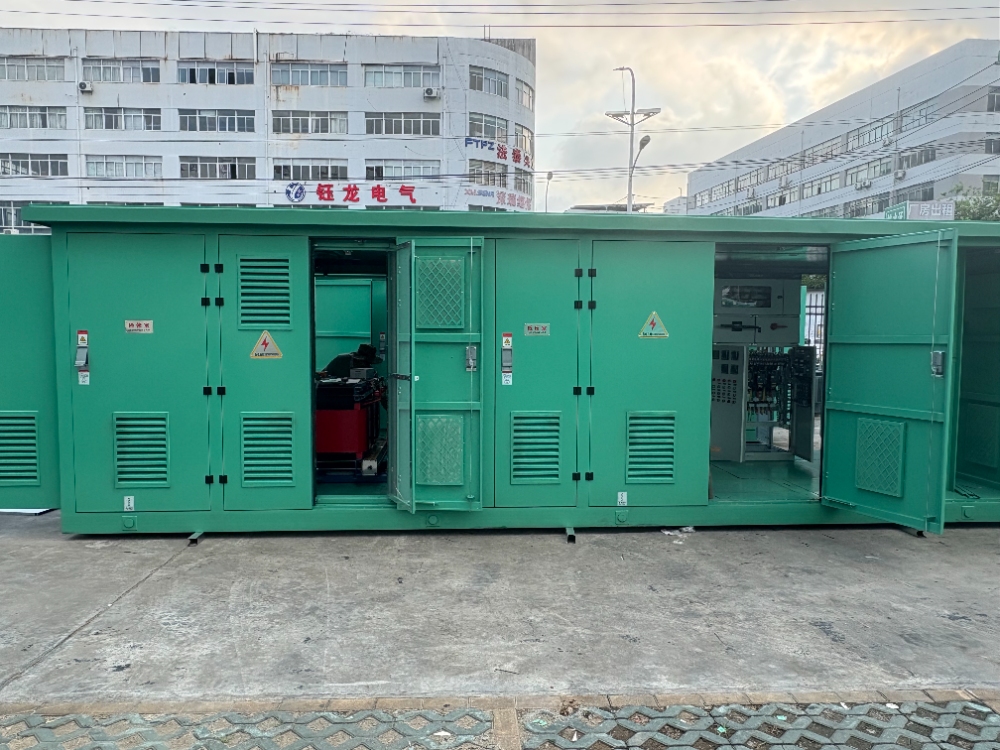
In the realm of modern electrical infrastructure, modular substations represent a leap forward, driven by cutting-edge technologies that streamline deployment and enhance reliability. These designs integrate prefabricated components, allowing for rapid assembly on-site, which not only slashes construction timelines but also minimizes environmental disruption. By leveraging advanced materials and smart engineering, these substations adapt seamlessly to diverse settings, from urban centers to remote industrial zones.
One standout innovation is the incorporation of AI-driven monitoring systems, which continuously analyze data from sensors to predict maintenance needs and prevent failures before they occur. This proactive approach ensures optimal performance and extends the lifespan of critical equipment. Additionally, modular substations often feature enhanced insulation and cooling technologies, such as gas-insulated switchgear, which reduce physical footprint while boosting safety and efficiency in constrained spaces.
Beyond technical specs, what sets these designs apart is their scalability and customization. Engineers can now tailor substations to specific energy demands, integrating renewable energy sources like solar or wind without major overhauls. This flexibility not only future-proofs investments but also supports global sustainability goals, making modular substations a cornerstone of resilient and intelligent power grids.
The Future of Energy Infrastructure: Adaptable and Quick-Install Substation Solutions
As global energy demands surge and renewable sources like wind and solar become more prevalent, the traditional substation model is evolving to meet new challenges. Adaptable and quick-install substation solutions represent a pivotal shift, enabling utilities to respond swiftly to fluctuating loads or remote installations. These modular designs prioritize flexibility, allowing components to be easily reconfigured as needs change, reducing downtime and enhancing grid resilience. By embracing prefabrication and standardized interfaces, they cut deployment times from months to weeks, making energy infrastructure more agile in our fast-moving world.
Imagine a substation that arrives on-site nearly fully assembled, ready to power a new community or industrial park within days. This isn't science fiction—it's the reality offered by modern, adaptable substations. Beyond speed, these solutions integrate smart technologies for real-time monitoring and control, enabling proactive maintenance and seamless integration with decentralized energy systems. They're not just replacements for outdated hardware; they're dynamic hubs that can scale up or down, accommodating everything from electric vehicle charging networks to microgrids, all while minimizing environmental impact and land use.
In essence, the future of energy infrastructure hinges on substations that are as nimble as the grids they support. By prioritizing adaptability and rapid deployment, we move beyond static, one-size-fits-all approaches to a more responsive and sustainable energy ecosystem. This evolution isn't merely about upgrading equipment; it's about reimagining how we deliver power to meet tomorrow's uncertainties head-on, ensuring reliability and efficiency in an ever-changing landscape.
Enhancing Grid Reliability: The Role of Prefabricated Units in Minimizing Downtime
Grid reliability is a critical concern in the energy sector, as even brief interruptions can lead to significant economic losses and safety risks. To address this, prefabricated units offer a transformative solution by streamlining the deployment of essential infrastructure components. These pre-assembled modules are manufactured off-site in controlled environments, allowing for rigorous quality checks and standardization that reduce the likelihood of errors during installation. By integrating such units into grid systems, utilities can achieve faster repairs and upgrades, ensuring that downtime is minimized when maintenance or expansions are necessary. This approach not only enhances operational efficiency but also contributes to a more resilient power network that can better withstand unforeseen disruptions.
The benefits of prefabricated units extend beyond speed, encompassing improved consistency and reduced on-site labor requirements. Unlike traditional construction methods, which often involve custom fabrication at each location and are susceptible to weather delays or logistical challenges, prefabricated components can be rapidly transported and installed with minimal disruption to surrounding areas. For instance, during emergency repairs after storms or equipment failures, these units allow crews to quickly replace damaged parts without the need for extensive on-site assembly, significantly cutting restoration times. This adaptability makes prefabrication particularly valuable in remote or hard-to-access regions, where conventional repair efforts might be slow or impractical.
Looking ahead, the integration of prefabricated units into grid reliability strategies is poised to become more widespread, driven by advancements in modular design and smart technology. By combining these units with real-time monitoring systems, utilities can proactively manage assets and schedule maintenance during low-demand periods, further reducing the impact on service continuity. This forward-thinking approach not only bolsters grid stability but also supports sustainability goals by optimizing resource use and minimizing waste. Ultimately, prefabricated units represent a key innovation in building robust, responsive energy systems that align with modern demands for reliability and resilience.
Scalability and Customization: Meeting Diverse Power Needs with Tailored Substations
In today's dynamic energy landscape, one size no longer fits all. Substations must evolve beyond static designs to accommodate varying demands—from bustling urban centers to remote industrial sites. Scaling a substation isn't just about adding more capacity; it's a thoughtful process that considers future growth, environmental constraints, and technological integration. By implementing modular components and flexible architectures, these critical nodes can expand seamlessly, ensuring reliable power delivery without expensive overhauls. This adaptability transforms substations from fixed assets into dynamic solutions that grow alongside communities and industries.
Customization takes scalability a step further by tailoring substations to specific operational needs. Imagine a substation near a wind farm: it might prioritize voltage regulation and grid stability features, while one serving a data center focuses on redundancy and low-latency switching. Through detailed site assessments and stakeholder collaboration, engineers can design bespoke configurations that optimize everything from safety protocols to energy efficiency. This personalized approach not only enhances performance but also reduces long-term costs by eliminating unnecessary features and aligning with unique site conditions, making each substation a finely tuned instrument in the power network.
Ultimately, this synergy between scalability and customization empowers utilities to handle diverse challenges—whether integrating renewable energy sources, supporting electric vehicle infrastructure, or maintaining resilience in extreme weather. By embracing these principles, substations become agile assets that not only meet current power needs but also anticipate future shifts, fostering a more responsive and sustainable energy ecosystem for all.
Sustainable Power Distribution: Eco-Friendly Benefits of Prefabricated Substation Systems
In the pursuit of greener energy solutions, prefabricated substation systems are emerging as a game-changer for sustainable power distribution. Unlike traditional substations that require extensive on-site construction, these modular units are built off-site in controlled environments. This approach significantly reduces material waste and minimizes disruption to local ecosystems during installation. By streamlining the assembly process, prefabricated systems cut down on energy consumption associated with building activities, contributing to a lower carbon footprint right from the start. Their compact design often means less land is needed, preserving natural habitats and supporting biodiversity in areas where power infrastructure is deployed.
Beyond installation advantages, these systems offer ongoing environmental benefits through enhanced efficiency and durability. Prefabricated substations are typically engineered with high-quality components that ensure reliable performance and reduced energy losses over time. This improved efficiency translates to less electricity wasted during transmission, which not only lowers operational costs but also decreases greenhouse gas emissions from power generation. Moreover, their robust construction and weather-resistant features extend the lifespan of equipment, reducing the frequency of replacements and the associated resource extraction and manufacturing impacts. By maintaining stable power delivery with minimal downtime, they help integrate renewable sources like solar and wind more effectively into grids.
The eco-friendly edge of prefabricated substations also lies in their adaptability and end-of-life considerations. As energy needs evolve, these modular systems can be easily upgraded or reconfigured without the need for complete rebuilds, promoting resource conservation and reducing construction debris. At the end of their service life, many components are designed for disassembly and recycling, aligning with circular economy principles to minimize landfill waste. This forward-thinking approach not only supports current sustainability goals but also positions prefabricated substations as a resilient choice for future energy challenges, making them a smart investment for communities focused on long-term environmental stewardship.
FAQ
Prefabricated substations typically include transformers, switchgear, and control systems housed in a compact, modular enclosure. By integrating these components in a factory setting, they reduce on-site assembly time, minimize errors, and enhance reliability, leading to faster deployment and lower operational costs compared to traditional substations.
They promote sustainability by optimizing energy use through advanced insulation and efficient designs, reducing material waste due to prefabrication, and supporting the integration of renewable energy sources like solar or wind, thereby lowering the carbon footprint of power grids.
Current innovations include smart grid compatibility with IoT sensors for real-time monitoring, compact and lightweight materials for easier transport, and enhanced safety features such as fire-resistant enclosures, all aimed at boosting adaptability and resilience in diverse environments.
They excel in remote or urban areas with space constraints, emergency power restoration projects, and temporary installations for events or construction sites, thanks to their quick setup, flexibility, and reduced need for extensive on-site labor.
Challenges include initial higher costs and logistics for transportation. These are mitigated by long-term savings from reduced maintenance, modular designs that allow scalability, and partnerships with local suppliers to streamline delivery and installation processes.
With factory-tested components and sealed enclosures, they minimize exposure to environmental hazards and human error. Automated control systems provide continuous oversight, ensuring stable power flow and quick response to faults, which increases overall network uptime.
Conclusion
Prefabricated substations have fundamentally transformed power distribution by integrating efficiency and innovation into every aspect of their design and implementation. By streamlining installation processes and reducing on-site construction time, these modular units unlock significant operational efficiencies, as highlighted in discussions on how they accelerate deployment and minimize disruptions. At their core, advanced technologies in modular design, such as smart monitoring systems and automated controls, drive innovation, ensuring that substations are not only functional but also adaptable to evolving energy demands. This adaptability is crucial for meeting diverse power needs through scalability and customization, allowing tailored solutions that fit specific grid requirements seamlessly.
Looking toward the future, prefabricated substations are poised to revolutionize energy infrastructure by offering quick-install and adaptable solutions that enhance grid reliability and reduce downtime. Their role in minimizing outages is underscored by their robust construction and integrated safety features, which contribute to more resilient power networks. Moreover, the eco-friendly benefits of these systems align with sustainable power distribution goals, as they often incorporate energy-efficient components and materials that reduce environmental impact. By combining all these aspects—from efficiency and innovation to reliability and sustainability—prefabricated substations represent a dynamic shift in how we approach power distribution, ensuring it is more responsive, resilient, and forward-thinking in an ever-changing energy landscape.
Contact Us
Contact Person: Doreen
Email: [email protected]
Tel/WhatsApp: 8618057712366
Website: https://www.liugaopower.com/