
Top RPET Bags for Sustainable Everyday Carry
2026-08-13
If your everyday carry bag gives out before the year does, it's time to rethink materials. RPET bags turn recycled plastic bottles into surprisingly rugged companions for commutes, gym runs, and weekend errands—without adding more virgin plastic to the pile. The tricky part is finding ones that actually hold up, not just wave a green flag. That's where CHALLENGE WOLVES caught my attention: their approach to RPET doesn't sacrifice structure or style. Below are the top picks for sustainable everyday carry that deserve a spot on your shoulder.
The Bottle-to-Bag Journey That Actually Matters
Most people picture a tidy conveyor belt when they hear “bottle-to-bag.” The reality is messier, and that’s exactly why it matters. A discarded bottle doesn’t become a usable bag just because it lands in the right bin. It has to survive sorting, washing, and a long stretch of heat and pressure before it can be spun back into something you’d actually carry.
The part worth paying attention to isn’t the recycling label—it’s the quiet work of keeping the polymer intact. Bottles arrive with caps, glue, leftover liquid, and mixed plastics. Every contaminant that slips through weakens the fiber later on. Facilities that skip deep cleaning or accept too many resin types end up with fabric that feels brittle or smells faintly of its past life.
What turns that journey into a genuinely useful bag is discipline at the unglamorous stages: removing labels, separating by color and resin, and running material through filters fine enough to catch the smallest fragments. When that happens, the result doesn’t feel like a compromise. It feels like a bag that happens to have started somewhere else.
Why RPET Doesn’t Feel Like a Compromise
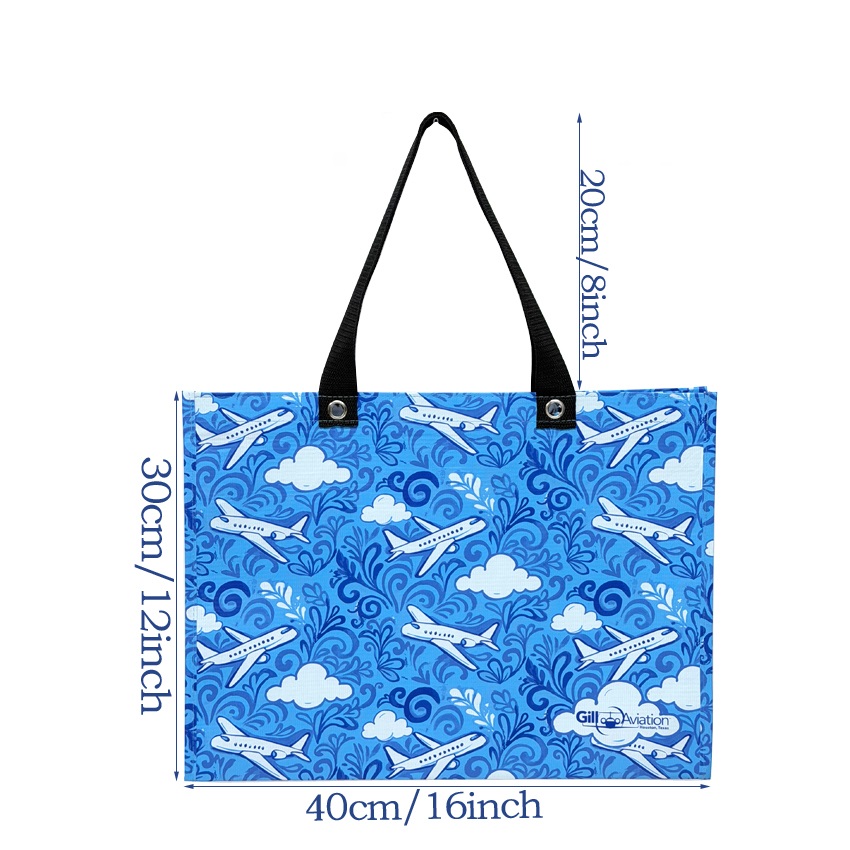
RPET often gets described as a downgrade, but that's mostly a leftover from early recycled fabrics. Modern RPET fibers are produced through a refinement process that breaks down post-consumer bottles into clean, consistent pellets. These pellets can be spun into yarn with a softness and smoothness that are nearly identical to virgin polyester. If you run your fingers over a well-made RPET backpack or jacket, the surface feels even and dense, not rough or thin. The difference comes down to pellet quality and spinning tension, not the fact that the material is recycled.
The real test is how the fabric behaves during daily use. RPET holds shape well because the polymer chains remain stable after the recycling process. You won't see the sagging or bagging that people once associated with eco-friendly textiles. Colors stay rich, especially when dope dyeing is used, which skips the water-heavy dye bath and infuses pigment into the yarn before it is woven. This gives RPET products a crisp, matte finish that looks more like a premium technical fabric than a compromise.
Design flexibility also plays a role. Because RPET can be extruded into different filament thicknesses, it supports a wide range of textures, from canvas-like stiffness to silky linings to brushed fleece. Brands that use high-quality RPET often invest in better construction details, reinforced seams, smooth zipper paths, and contoured panels, because the material deserves it. That combination of performance and intention is what makes RPET feel less like a concession and more like a deliberate upgrade.
Everyday Carry Pockets That Earn Their Keep
A pocket only earns its place if you actually reach for it. The best everyday carry setups skip the bulky, zippered caverns and lean into purpose-built slots: a slim sleeve behind the main compartment for a notebook, a reinforced edge pocket that keeps a folding knife from shifting, and a discreet coin pocket repurposed for a USB drive or small multitool. These aren’t afterthoughts—they’re the difference between fishing for your gear and grabbing it blind.
Material matters more than pocket count. A flap pocket with a quiet magnetic closure beats three noisy Velcro patches, and mesh dividers let you see a cable or earbud case without dumping everything out. Look for reinforced stitching at stress points and a slight taper so slim items don’t disappear sideways. When every pocket has a clear shape and a reason to exist, your carry feels lighter even with the same load.
The real test is repetition. If a pocket doesn’t get used at least once a week, it’s dead weight. Swap it out or ignore it—don’t force a purpose. A good pocket should feel like muscle memory: hand goes in, item comes out, no second thought. That’s when it stops being storage and starts earning its keep.
Style Without the Eco Stereotype
Sustainable fashion has long been boxed into beige linen and boxy silhouettes, but that old image is fading fast. Designers are proving you can chase a smaller footprint without sacrificing sharp tailoring, unexpected textures, or a bold color palette. Think structured blazers cut from recycled wool, fluid dresses made of Tencel that drape like silk, and accessories that reuse industrial offcuts in ways that feel more art piece than afterthought. The eco label no longer dictates how you look—it simply changes what your clothes are made of and how they come to be.
The shift is visible in the details: contrast stitching from organic cotton thread, buttons carved from tagua nuts, linings printed with low-impact dyes that hold their depth wash after wash. Instead of shouting their ethics through slogans or granola aesthetics, these pieces whisper through their construction. A pair of trousers might be cut to move with you, not against you, while their fabric happens to be regenerated nylon from discarded fishing nets. The result is a wardrobe that feels personal and polished—where the story behind each garment adds depth but never defines your style.
This approach also opens the door to real experimentation. A sleek minimalist coat can sit beside a wildly patterned shirt made from deadstock fabric, and both belong. The old stereotype asked you to choose between looking good and doing good; the new wave erases that false binary. You dress for the moment, for the mood, for the meeting or the late-night show—and the materials simply work harder behind the scenes. That is the quiet luxury of conscious design done right: no compromise, no costume, just clothes that happen to carry a lighter load.
Surviving Rain, Commutes, and Gym Floors
The morning drizzle wasn't enough to cancel plans, but it was enough to soak through canvas sneakers by the time I reached the bus stop. I'd learned to keep a spare pair of socks in my bag—not because I'm organized, but because damp toes have a way of ruining even the shortest commute. Umbrellas flip inside out, puddles hide deep curbs, and the bus heater never dries anything properly. Still, there's a weird satisfaction in making it to the office with only slightly wet cuffs, like winning a small, soggy battle against the weather.
The gym floor is a different kind of survival test. Rubber mats that smell like old tires, chalk dust settling into every crease of your shoes, and that one corner where condensation drips from the ceiling. I've dropped my phone more times on that concrete than anywhere else, and the lockers always seem to be right under a leak. But after a long commute, the squeak of wet soles on the gym floor almost feels like a reset—the rain outside becomes just background noise while you focus on not slipping during lunges.
Some days I skip the umbrella entirely and just accept the dampness. It's easier than wrestling with broken spokes or leaving it behind on the train. The trick is to keep moving: rain hits the jacket, jacket dries by lunch, gym towel soaks up the rest. No dramatic monologues about resilience—just practical habits stitched together over time, like checking the radar before leaving or choosing the treadmill farthest from the door where everyone tracks in puddles.
What Your Old Water Bottle Becomes Next
That dented bottle you nearly tossed isn't trash—it's raw material waiting for a second act. Most single-use plastic bottles are shredded into flakes, melted down, and spun into polyester fibers that show up in fleece jackets, carpeting, and even the upholstery in your car. A typical 20-ounce bottle yields enough fiber to knit about a quarter of a cotton T-shirt's weight in polyester, which sounds small until you picture the billions of bottles moving through this pipeline every year.
Some bottles take a more surprising route. In a handful of processing plants, the plastic is broken into its chemical building blocks and rebuilt into food-grade resin, meaning tomorrow's water bottle could literally contain the one you finished this morning. Other old bottles get pressed into sheets that become the structural core of park benches, shipping pallets, and outdoor decking—products designed to outlive their first use by decades.
The real bottleneck isn't the technology; it's getting enough clean material into the right hands. When you rinse and return a bottle, you're not just avoiding a landfill—you're feeding a quiet industrial ecosystem that turns yesterday's hydration habit into next year's jacket liner or bus stop shelter.
FAQ
RPET starts with recycled plastic bottles that are shredded, melted, and spun into fiber. That process keeps single-use plastic out of landfills and uses less energy than making virgin polyester. For a daily carry bag, it gives you a lightweight, tear-resistant shell that holds its shape well and doesn’t need much fuss to keep clean.
A well-made RPET bag lands close to virgin polyester: it resists abrasion, dries fast, and handles daily shoves under train seats or desks without fraying. The weak points tend to be zippers and seam stitching, not the RPET fabric itself, so checking those details matters more than worrying about the recycled fiber.
It’s a real material chain. Bottles are collected, sorted by color, ground into flakes, then melted and extruded into yarn. Reputable makers usually state the percentage of recycled content and often name certifications like Global Recycled Standard, so you can verify the claim instead of taking a hangtag at face value.
Most municipal curbside programs won’t take a sewn bag with zippers, foam padding, and mixed linings because the components are hard to separate. Some brands offer take-back or mail-in programs that strip the hardware and recycle the fabric. Your best move is to use the bag as long as possible, then look for a textile recycler or brand return scheme.
You won’t get a plasticky grocery-bag feel. Depending on how the yarn is spun and coated, RPET can feel like smooth sailcloth, slightly textured canvas, or soft twill. The feel varies more by weave and finish than by the recycled origin, so it’s worth checking the fabric description rather than assuming all RPET is the same.
Look for full recycled content claims, a water-resistant or wipeable lining, reinforced stitching at stress points, and hardware that feels solid rather than hollow. A padded laptop sleeve and a trolley pass-through add real daily value. If you commute by bike or on foot, a sternum strap or a low-profile shape helps keep the load stable.
The base RPET fiber repels light rain if the weave is tight, but true water resistance comes from a coating or membrane applied to the fabric. Many bags use a food-grade or PFC-free water-repellent finish, which handles drizzle and splashes. For heavy downpours or long walks in the rain, you’ll still want a rain cover or a fully waterproof liner.
Conclusion
The best RPET bags have quietly moved past the gimmick phase. A discarded water bottle doesn't simply get stamped with a recycling logo; it's shredded into flakes, melted down, and spun into a yarn that becomes a fabric with a tight weave and soft hand feel. That matters because you're not dealing with the scratchy, brittle material people once associated with recycled polyester. Instead, the top bags hold their shape, resist pilling, and shrug off light rain or an accidental brush against a damp gym floor. The layout keeps up with real commutes: a padded laptop sleeve that sits above the base seam, a quick-access front pocket for transit cards, a stretch side panel for a bottle, and a key leash that keeps essentials from disappearing into the bottom.
Style-wise, these bags avoid the beige-and-brown eco cliché. You'll find deep navy, charcoal, and muted olive options with clean lines and minimal branding, so the recycled content is a detail rather than a costume. They survive being set down on wet pavement, squeezed under airplane seats, and knocked around in a crowded train car. That bottle-to-bag journey becomes tangible when you check the lining—often a different recycled stream—or notice hardware that can be unscrewed and replaced. In the end, what your old water bottle becomes next is a daily carry piece that earns its keep through durability and thoughtful design, not through a loud sustainability statement.
Contact Us
Contact Person: Tony
Email: [email protected]
Tel/WhatsApp: +8615859766913
Website: https://www.cw-pak.com