

Top Solar Garden Lights: Brighten Your Yard Effortlessly
2026-07-20
Imagine stepping into your backyard on a warm evening, pathways softly illuminated and flower beds aglow—all without flipping a switch or worrying about your electricity bill. Solar garden lights have quietly transformed outdoor spaces, and the latest designs are smarter, more durable, and surprisingly stylish. But with so many options flooding the market, how do you choose the ones that truly deliver? Whether you're chasing that cozy bistro vibe or need robust security lighting, the right pick can make all the difference. At SRS, we've tested and rounded up the top performers that combine cutting-edge tech with effortless installation. Ready to discover which lights will make your neighbors peek over the fence with envy? Let's dive in.
Why Solar Lights Are the Secret to a Lush Night Garden
The soft glow of solar lights does more than just illuminate your garden after dark. It extends the hours you can spend among your plants, encouraging you to notice subtle details like new buds or a leaf changing color. This regular attention naturally leads to better care—spotting a thirsty plant earlier or plucking weeds before they spread. The light itself becomes a gentle reminder to slow down and engage with your garden, which often results in a more abundant and vibrant outdoor space.
Unlike harsh electric lighting, well‑placed solar fixtures create layered shadows and highlights that add depth to your garden’s design. They draw the eye to specimen plants, water features, or winding pathways, turning ordinary beds into dramatic landscapes. Because solar lights are wireless and easy to reposition, you can experiment with different placements each season, spotlighting what’s in bloom or creating new focal points. This flexibility lets your garden evolve visually without the hassle of digging trenches or hiring an electrician.
Many gardeners overlook the fact that solar lights support a healthier ecosystem at night. They produce a warm, low‑intensity light that doesn’t disorient nocturnal pollinators like moths and beetles, which play a crucial role in your garden’s life cycle. At the same time, they discourage some pests that prefer complete darkness, offering a subtle pest‑control benefit. By choosing solar, you’re not just adding beauty—you’re fostering a balanced environment where plants, insects, and humans can coexist after sunset.
Placement Tricks That Turn Ordinary Paths into Enchanted Walkways
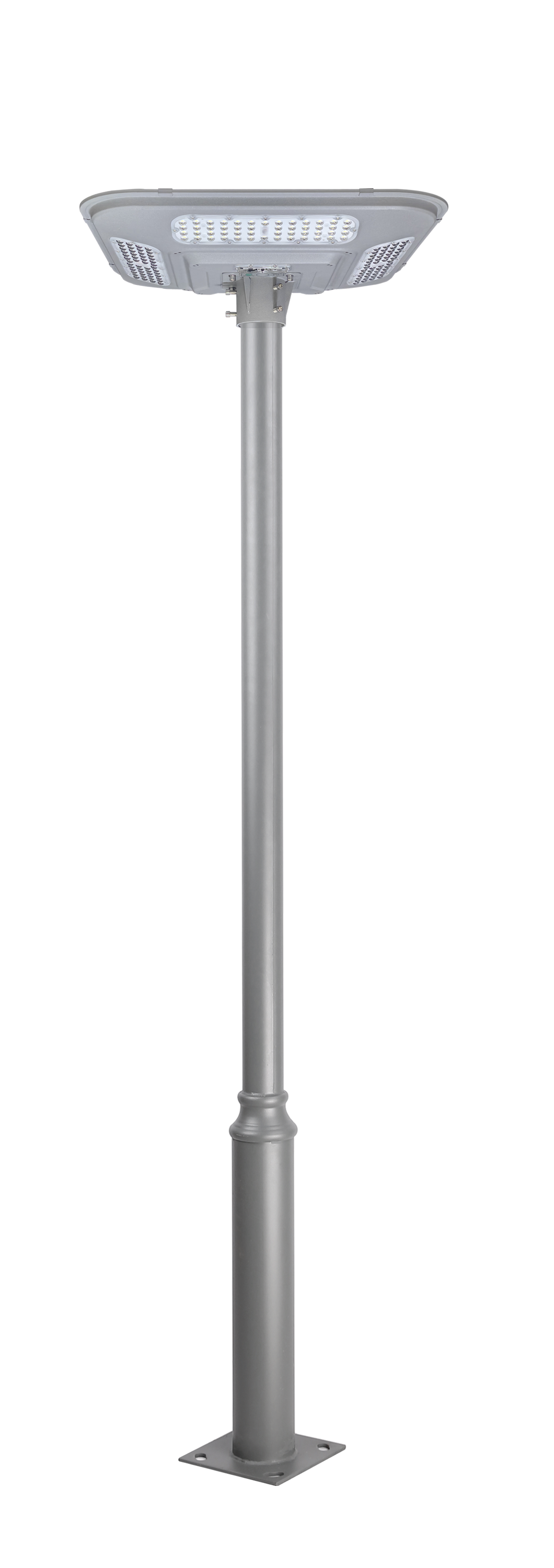
One of the simplest yet most effective tricks is to slightly curve the layout instead of keeping the path ruler-straight. A gentle meander creates a sense of mystery, hiding just enough of what lies ahead to spark curiosity. Pair this with overhanging foliage—ferns, weeping branches, or climbing roses—so that walkers brush against soft leaves, instantly feeling transported into a secret garden realm.
Light placement is the real game changer. Skip the glaring overhead fixtures; nestle warm, low-voltage lights at ground level, tucked behind rocks or nestled in the roots of old trees. The resulting pools of gentle illumination guide feet naturally while casting fascinating shadows. For a truly magical touch, hide tiny fairy lights inside glass jars and hang them from shepherd’s hooks at varying heights—the asymmetry tricks the eye into seeing a spontaneous, otherworldly glow.
Finally, sprinkle in unexpected focal points that break the green monotony. A weathered stone bench tucked into a nook, a tiny birdbath reflecting the sky, or a cluster of potted herbs releasing scent as you pass—all these coax people to slow down and breathe. The trick isn’t to line the path like a store display, but to place these treasures just off-center, where they feel discovered rather than staged.
Choose the Right Glow: Matching Light Temperature to Your Landscape
Light temperature isn’t just a technical detail—it’s the subtle language your garden speaks after dusk. Warm glows, hovering around 2700K, wrap foliage and stone in a honeyed calm, making evening gatherings feel instantly more intimate. Cooler tones above 4000K, on the other hand, mimic moonlight and draw out the crisp edges of modern hardscaping or silver-leafed plants. The trick lies in listening to what your space naturally asks for, rather than following a rigid rulebook.
Think about the textures you want to highlight. Rough bark and terracotta pots soak up warm light and seem to exhale it slowly, while water features and glass accents sparkle under cooler beams. A common misstep is using the same temperature everywhere, which flattens the landscape into a one-dimensional stage. Layering temperatures creates visual rhythm—perhaps a warm path light pooled near a bench, with cool uplighting behind ornamental grasses that sways in the breeze.
Your region’s natural light also plays a role. In desert climates, a neutral white around 3500K can blend seamlessly with the stark daytime glare, while coastal gardens often favour warmer tones to soften the damp, salty air. Walk your property at night with a portable, adjustable fixture if you can—it’s the quickest way to see how colour temperature reshapes shadows and directs the eye. Trust your instincts; you’re crafting an atmosphere, not solving an equation.
Set It and Forget It: The Joy of Automatic Dusk-to-Dawn Lighting
There’s a quiet satisfaction in watching outdoor lights flicker on just as dusk settles, without ever touching a switch. Automated dusk-to-dawn lighting captures that moment perfectly—no timers to adjust, no remembering to turn anything off at bedtime. It simply responds to the natural shift of daylight, easing the transition from evening to night with a soft, reliable glow that feels almost intuitive.
What makes this approach so liberating is the complete absence of decision-making. You install the fixtures, and from then on, they mind their own business. A built-in photocell detects changing light levels so precisely that your porch, pathway, or garden remains illuminated only when needed, saving energy without any effort. There’s no clunky interface or app to fumble with—just set it in place and let it do its work, season after season.
Beyond convenience, there’s a deeper comfort in this consistency. The steady, automatic rhythm of light creates a sense of security and welcome that’s both practical and subtly reassuring. Whether you're arriving home late or simply enjoying the stillness from your window, those lights become a silent, dependable presence—asking nothing of you, but quietly shaping the evenings into something a little more serene.
Weatherproof Wonders: Lights That Shine Through Rain and Snow
When the skies turn gray and the first drops of rain begin to fall, most outdoor lighting surrenders to the elements. Not these. Designed with rugged, fully sealed housings, they create an impermeable barrier against moisture, ensuring that every raindrop simply rolls off without a trace. The internal electronics are encased in a protective resin that guards against corrosion, making short work of even the most persistent downpours. From the driveway to the garden path, the lights stand firm, their glow unwavering as puddles form and splashes fly. They don't just survive the storm—they thrive in it, casting a steady, warm light that turns a rainy evening into a cozy spectacle.
Winter brings its own set of challenges, with biting cold and heavy snow testing the limits of outdoor fixtures. These lights are built to withstand temperatures well below freezing, with components that remain pliable and connections that never falter. The smooth, sloping surfaces prevent snow from piling up, so there's no need to trudge out in the cold to clear them off. Instead, they create a beautiful halo beneath the blanket of snow, illuminating the landscape with a soft, resilient radiance. Whether it's a quiet flurry or a full-blown blizzard, the lights maintain their presence, turning your outdoor space into a serene winter wonderland.
What makes these lights truly exceptional is the marriage of enduring materials and thoughtful design. Premium marine-grade coatings fend off rust, while impact-resistant lenses deflect debris whipped up by harsh winds. Every connection point is reinforced to resist temperature swings, preventing the expansion and contraction that weakens ordinary lights over time. They even incorporate advanced heat dissipation to avoid fogging inside the housing—a common flaw in lesser models. Year after year, through pelting rain and drifting snow, they deliver a performance that feels effortless, as if the weather was never a factor to begin with. That's the real wonder: lighting that doesn't just cope with the elements, but uses them to enhance the atmosphere.
From Drab to Fab: Dramatic Transformations Using Solar Spotlights
A dull patio corner can instantly gain character with a carefully placed solar spotlight aimed at a textured wall or an ornamental tree. You’ll be surprised how the shifting light and shadows throughout the evening give the space an entirely new mood.
Play with angles and distances to highlight architectural details or garden features that go unnoticed during the day. The warm glow after sunset transforms unremarkable surfaces into focal points, making the area feel intentional and inviting without any complicated wiring.
FAQ
They’re hassle-free since no wiring is needed, and they harness free sunlight to cut down electricity costs. Most turn on automatically at dusk, offering an eco-friendly glow with zero effort.
Focus on brightness, measured in lumens, and match it to the purpose—soft accent lighting needs fewer lumens than security lights. Check the battery capacity and ensure the design complements your outdoor style.
They can, but charging will be slower, which might reduce runtime at night. For shaded spots, look for models with efficient monocrystalline panels or simply position them where they’ll catch a few hours of direct sun.
Yes—most are literally push-and-play. Just stake them into the ground or mount on a wall, and they’ll start working as soon as the battery is charged. No electrician or tools required.
The LED bulbs can shine for over a decade, but the rechargeable batteries typically need replacement every 2–3 years. Weatherproof construction will also influence how long the housing holds up outdoors.
Durable, rust-resistant materials, a high IP rating for water and dust protection, adjustable panels, and a reliable battery make a world of difference. Look for extras like motion sensors or steady and flicker modes.
Hardly any. A quick wipe of the solar panel every few weeks keeps charging efficient, and bringing them inside during harsh winter spells can extend their life. Otherwise, they’re set-and-forget.
You’ll find everything from sleek path markers and spotlights to whimsical string lights and lanterns. There are even color-changing options and decorative figures to add personality without overcomplicating things.
Conclusion
Solar garden lights are the secret to a lush night garden, effortlessly harnessing the sun’s energy to create magical outdoor spaces. With automatic dusk-to-dawn sensors, they offer true set-it-and-forget-it convenience, illuminating your yard exactly when needed without lifting a finger. Choosing the right glow is essential: warm white tones bathe cozy seating areas in a welcoming ambiance, while cooler daylight hues accentuate modern landscapes and architectural details. This simple decision transforms the mood of your entire garden after dark, making it feel like an extension of your home’s living space.
Placement tricks turn ordinary paths into enchanted walkways—staggered lights along a winding trail or subtle uplighting beneath shrubs adds depth and mystery. Solar spotlights can take a drab corner from forgotten to fabulous, highlighting a sculptural tree or a water feature with dramatic flair. And because these lights are weatherproof wonders, they continue to shine through rain and snow, ensuring your nighttime oasis looks stunning year-round. Whether you’re lining a driveway or accenting a flower bed, the right solar lights brighten your yard effortlessly, blending beauty, sustainability, and low-maintenance brilliance.
Contact Us
Contact Person: kitty
Email: [email protected]
Tel/WhatsApp: +8618676039824
Website: https://www.srssolargroup.com/